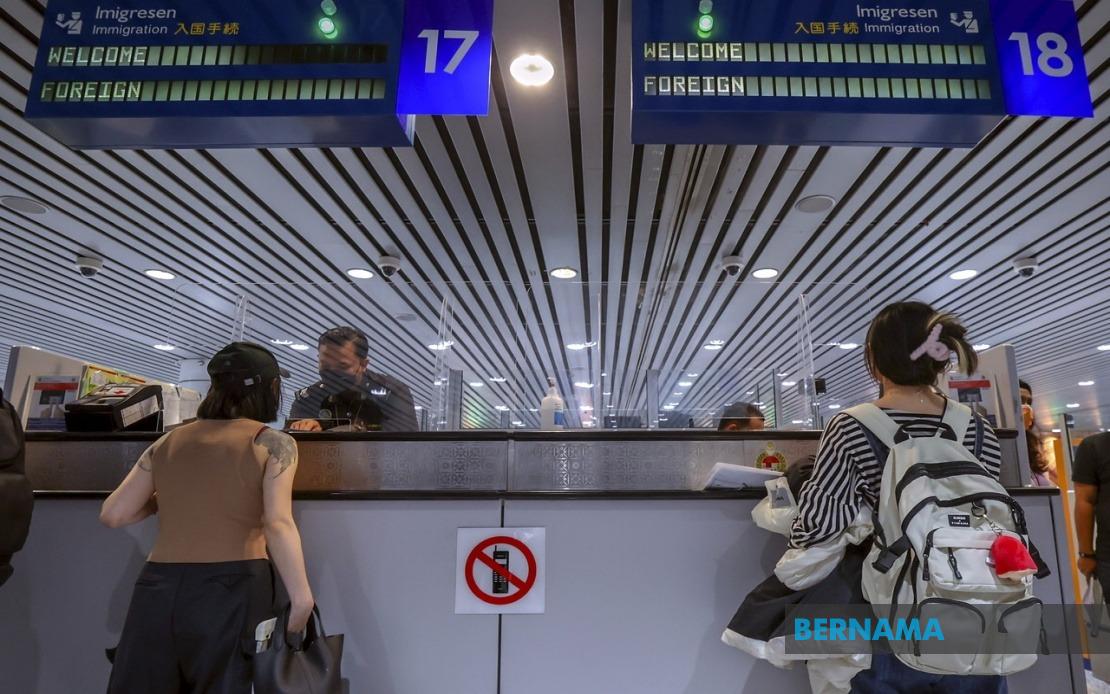
The Malaysian government has taken decisive action to shore up security defences at its critical international gateways, with the Cabinet approving a sweeping package of 17 recommendations designed to tighten screening procedures, enhance risk assessment, and strengthen oversight at the Kuala Lumpur International Airport and ports of entry nationwide. The initiative, jointly advanced by the Home Ministry and Ministry of Transport, reflects mounting official concern about vulnerabilities in how travellers, cargo, and personnel are vetted as they cross the country's borders.
The approval signals a government commitment to addressing a series of troubling security lapses that have drawn public scrutiny and international attention. Most notably, a Malaysian pilot was apprehended at Soekarno-Hatta International Airport in Indonesia carrying approximately 25 kilogrammes of MDMA, highlighting the alarming ease with which aviation professionals may circumvent existing detection systems. This incident, alongside broader concerns about personnel access to restricted airport zones and cargo handling procedures, prompted both ministries to develop the comprehensive remedial framework now endorsed by Cabinet.
The government has structured its response across three distinct timeframes, each building incrementally on the previous phase. In the immediate term, six priority actions will be mobilised to strengthen existing safeguards without requiring extensive infrastructure overhaul or technology investment. These focus on deploying enhanced risk-based screening mechanisms that concentrate inspection resources on flights, passengers, crew members, and baggage flagged by intelligence or behavioural analytics as presenting elevated risk. The approach reflects modern security doctrine, which prioritises intelligence-led targeting over blanket screening of all traffic.
Among the quick-win initiatives is a robust e-Vetting and access control system that will fundamentally revamp how the airport screens personnel requiring entry to secure zones. This encompasses aviation staff, ground handlers, contractors, and vendor representatives whose movements through restricted areas create potential security vulnerabilities. The current system has evidently lacked rigour in vetting such individuals, and the new protocols will introduce standardised background checks and periodic re-screening to ensure breach risks diminish over time.
Drug screening of flight personnel represents another cornerstone of the immediate action plan, mandating pre-employment, periodic, and random testing of pilots, cabin crew, and associated aviation staff. Given that pilots occupy positions of extraordinary trust and have unparalleled access to aircraft systems and international jurisdictions, this measure addresses a critical blind spot in Malaysia's security architecture. The testing regime will extend beyond new hires to encompass serving personnel on a rolling basis, fundamentally changing the risk profile of Malaysia's aviation workforce.
Three additional short-term measures round out the initial phase: a visible expansion of security personnel throughout airport facilities, formalised mechanisms for coordinating and exchanging security intelligence between agencies and with international partners, and the establishment of a dedicated Home Ministry-Transport Ministry Technical Committee to oversee implementation and troubleshoot operational obstacles. This inter-agency coordination machinery is essential given that airport security involves jurisdictional overlap and requires seamless information flow between police, customs, immigration, and aviation authorities.
The medium-term phase shifts emphasis towards technological and human resource development. Officials will prioritise acquiring advanced screening equipment, upgrading surveillance infrastructure, and recruiting and training specialist personnel capable of operating sophisticated detection systems and conducting nuanced risk analysis. This phase recognises that sustainable security improvements demand investment in capability-building rather than relying solely on procedural adjustments.
The long-term transformation contemplates fundamental systemic change centred on information integration, inter-agency data-sharing protocols, and institutional governance reforms. Rather than operating as discrete silos, Malaysia's various security agencies will be required to function as an integrated ecosystem where intelligence flows horizontally and vertically, enabling pattern recognition and threat anticipation across previously disconnected datasets. This ambitious vision requires legislative, regulatory, and cultural shifts within Malaysia's security establishment.
Kuala Lumpur International Airport will serve as the implementation pilot, with the government subsequently rolling out the framework to Malaysia's other international entry points in phases contingent on each location's threat environment and operational characteristics. This graduated approach allows officials to refine procedures and address unforeseen complications at KLIA before expanding to land borders, seaports, and regional airports handling international traffic. The geographic variation in implementation also acknowledges that security challenges at the Thailand-Malaysia border differ substantially from those at Kuala Lumpur port or the Brunei crossing.
Official statements emphasise that the entire initiative will proceed with scrupulous regard for individual rights, data protection standards, and passenger convenience. This framing attempts to preempt civil liberties concerns and assuage the aviation industry regarding potential operational disruptions. Authorities recognise that excessive security theatre can damage Malaysia's competitive position as a regional aviation hub and deter tourist arrivals, necessitating security measures that are effective yet maintain reasonable travel throughput.
The broader context reveals a government grappling with the uncomfortable reality that Malaysia's security posture has fallen behind peer jurisdictions in Southeast Asia. Aviation incidents involving Malaysian nationals and the apparent ease with which contraband traverses airport screening points have eroded domestic confidence and international perceptions of Malaysian security competence. Regional competitors including Singapore and Thailand have invested substantially in advanced detection technology and integrated security systems that Malaysia now appears intent on matching.
For Malaysian travellers and businesses, the phased implementation offers modest inconvenience in exchange for genuinely enhanced safety assurances. Enhanced screening will extend processing times during peak travel periods, though risk-based targeting may actually accelerate movement for lower-risk passengers. For aviation workers, the new protocols introduce administrative burden through periodic re-vetting and testing, but also provide professional legitimacy through standardised international security norms.
Government spokesman Datuk Seri Fahmi Fadzil's public confirmation that Cabinet has endorsed the comprehensive plan signals political priority and budgetary commitment. Without sustained funding and inter-ministerial coordination, even well-designed security frameworks deteriorate through implementation gaps and resource constraints. The establishment of the KDN-MOT Technical Committee provides institutional machinery for maintaining momentum and accountability as the multi-year programme unfolds across Malaysia's complex and geographically dispersed aviation and border infrastructure.

