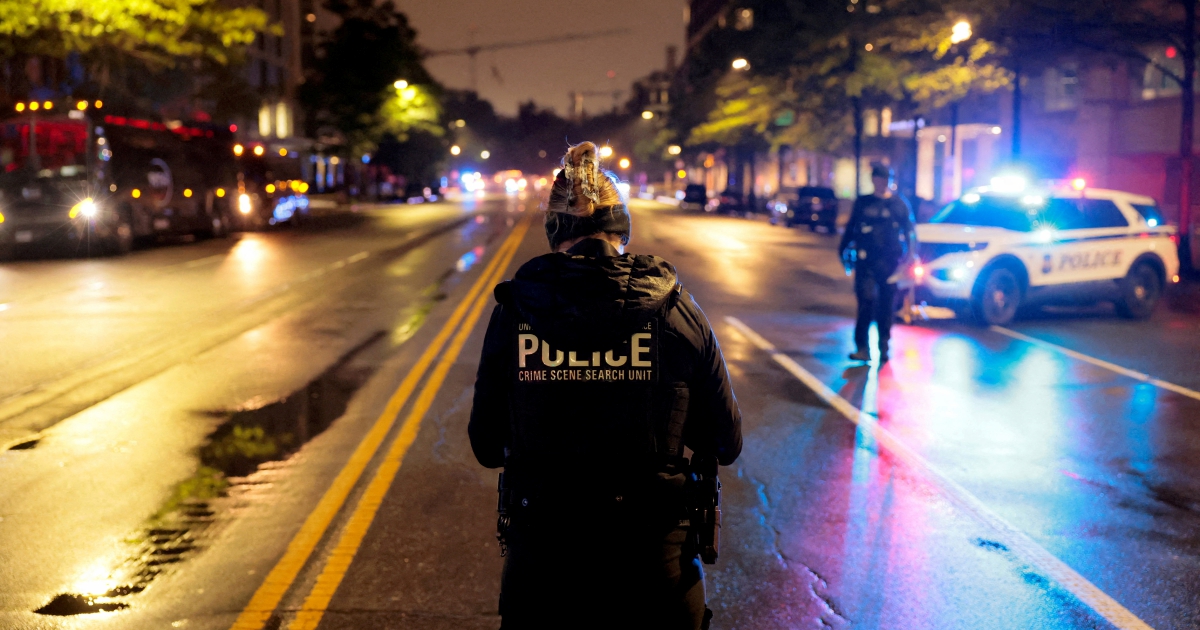
A person injured during a confrontation between US Secret Service personnel and an armed individual near the White House in May is moving forward with legal proceedings against the agency, as announced by their legal team. The lawyers representing the bystander indicated they filed a personal injury lawsuit on Tuesday seeking damages and accountability for injuries sustained during the incident.
The May shooting outside the White House represents one of the most significant security incidents at the nation's most prominent residence in recent years. The altercation involving Secret Service agents and the gunman resulted in injuries that extended beyond the immediate participants, catching civilians in the vicinity of the volatile situation. The presence of bystanders in proximity to the confrontation raises important questions about operational tactics, public safety protocols, and the extent to which innocent parties should be exposed to risk during security responses at high-profile locations.
This lawsuit reflects growing scrutiny over how federal security agencies manage active threats while minimizing harm to uninvolved members of the public. The decision to file legal action suggests the victim and their representatives view the Secret Service's handling of the incident as falling short of acceptable standards for protecting civilians during such emergencies. Personal injury cases of this nature often examine whether proper warnings were issued, if appropriate evacuation procedures were followed, and whether the force employed was proportionate and necessary.
The US Secret Service, tasked with protecting the President and securing federal premises, operates under intense operational pressures. Officers must make split-second decisions when responding to active threats, and these decisions carry significant consequences. However, the agency remains legally and morally accountable for the safety of the public, and lawsuits challenging their actions serve as important mechanisms for evaluating whether protocols adequately balance security imperatives with civilian welfare. Such cases can drive procedural reforms and heightened training standards across the federal security apparatus.
For Malaysian readers and the broader Southeast Asian context, this incident underscores universal challenges faced by security forces worldwide. National security agencies throughout the region grapple with similar dilemmas when responding to armed threats in populated areas, particularly near government facilities. The legal accountability mechanisms being tested in the United States provide instructive models for how democracies ensure that security operations do not come at unreasonable cost to innocent civilians. As nations in Southeast Asia continue strengthening their own security frameworks, understanding how mature democracies handle post-incident accountability becomes relevant.
The potential outcome of this lawsuit carries implications beyond the individual case. If successful, it could establish precedent regarding Secret Service liability for civilian injuries during protective operations, potentially influencing how the agency trains personnel and conducts threat response procedures. Conversely, if the agency prevails, it would reinforce considerable latitude for federal security forces in emergency situations. Either outcome will likely be studied by security and legal professionals throughout the region.
The involvement of attorneys indicates the victim's injuries were sufficiently serious to warrant substantial legal action. Personal injury claims against federal agencies require navigating complex jurisdictional issues and establishing clear negligence or misconduct. The fact that legal representatives proceeded with filing suggests confidence in the evidence supporting their case, including documentation of the victim's medical condition, financial losses, and a causative link between Secret Service actions or inactions and the harm sustained.
This case also reflects broader American discussions about institutional accountability and civilian recourse when government actions cause unintended harm. The ability of injured parties to sue federal agencies through the proper legal channels represents a cornerstone of the rule of law and democratic governance. It ensures that even powerful government institutions remain subject to judicial review and must justify their actions to independent courts and juries.
The timing of the lawsuit announcement roughly six months after the May incident provides adequate opportunity for medical documentation and initial investigation. Lawyers typically allow sufficient time to assess the full scope of injuries before filing, as they need comprehensive evidence regarding medical expenses, ongoing treatment requirements, and long-term impacts on the victim's quality of life. The decision to proceed suggests the available evidence supports a viable legal claim.
Moving forward, the litigation will likely involve extensive discovery procedures, expert testimony regarding security protocols, and examination of what alternatives existed to the response that was employed. The case will test fundamental questions about reasonable expectations for civilian safety during security emergencies and the appropriate boundaries of federal agency liability. As this legal process unfolds, it will provide important precedent for how American institutions balance security imperatives with individual rights and protections—lessons with relevance across jurisdictions managing similar tensions between public safety and institutional accountability.

