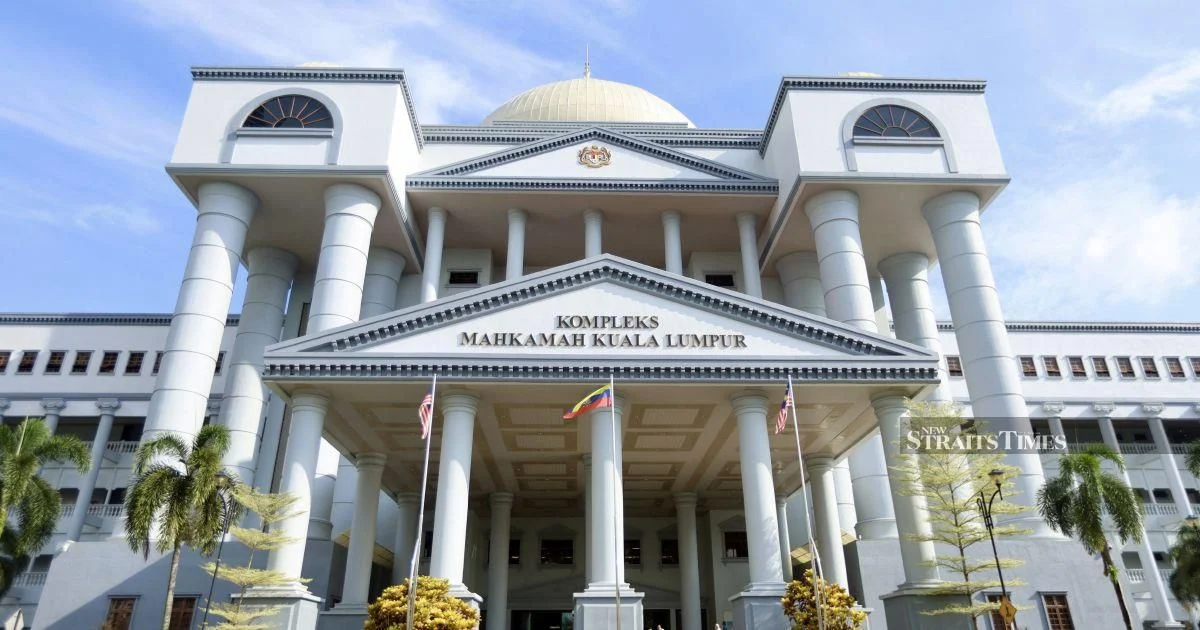
Kuala Lumpur-based businesswoman Sofia Rini Buyong will make her first court appearance tomorrow at the magistrate's court here, where she is expected to be formally charged in connection with an allegation that she made a defamatory statement.
The criminal defamation charge represents a significant development in what appears to be a high-profile dispute, though the specific details surrounding the nature of the alleged statement and the complainant remain unclear at present. Criminal defamation cases in Malaysia carry considerable legal weight, as they intersect the overlapping domains of civil reputation law and criminal statutes designed to protect individual honour.
Defamation cases have become increasingly common in Malaysia's business and corporate circles, particularly as digital communication platforms make it easier for statements to reach wider audiences and potentially cause reputational harm. The distinction between civil and criminal defamation is crucial in the Malaysian legal context. While civil defamation typically results in damages awards, criminal defamation can lead to imprisonment and fines, making the charge facing Sofia Rini Buyong a more serious matter than a purely civil suit.
Under Malaysian law, criminal defamation is governed by the Penal Code and requires that a false or defamatory statement be made with knowledge of its falsity or with reckless disregard for the truth. The threshold for criminal charges is deliberately higher than civil cases to protect freedom of speech and expression, yet prosecutors have taken the step to pursue criminal proceedings in this instance.
For Malaysian readers unfamiliar with the nuances of defamation proceedings, understanding the significance of tomorrow's appearance is important. This initial court session is typically where the accused is formally notified of charges and asked to enter a plea. Depending on Sofia Rini Buyong's response and any legal submissions from her defence team, the case could proceed to trial or potentially be resolved through other means available to the court.
The case underscores the broader tension in Malaysia between protecting individual reputation and maintaining space for free expression and criticism. Digital platforms and social media have amplified this tension considerably, as statements made in online forums can be disseminated rapidly and widely, often without the ability for subjects to respond effectively. The legal system continues to grapple with how traditional defamation law applies in this new technological environment.
For the business community, such cases carry practical implications beyond the parties directly involved. They serve as reminders of the legal risks inherent in making public statements about other individuals or organisations, particularly when those statements touch on sensitive areas like financial dealings, business practices, or personal integrity. Many Malaysian business professionals and entrepreneurs carefully navigate these concerns by ensuring their public communications are well-documented, factually grounded, and appropriately cautious.
The magistrate's court appearance tomorrow will likely draw interest from legal observers and those within the broader business community, as outcomes in high-profile defamation cases often establish precedents or signal how courts interpret evolving standards around speech in the digital age. The specific facts of each case matter tremendously, but the handling of such matters also reflects judicial approaches to balancing competing rights.
Criminal defamation charges carry stigma and practical complications beyond potential legal penalties. They can affect business relationships, professional reputation, and social standing, creating pressure on the accused to resolve matters quickly, even if the underlying facts remain disputed. This dynamic occasionally leads to out-of-court settlements where parties agree to withdraw statements or issue clarifications, though such arrangements do not preclude court proceedings.
The timing and nature of defamation allegations often reveal much about the state of relationships within Malaysia's business circles. Such cases frequently emerge from contractual disputes, competitive conflicts, or interpersonal disagreements that escalate beyond civil remedy into the criminal justice system. Each case carries its own particular context and history.
Legal practitioners in Kuala Lumpur will be monitoring how magistrates handle the opening stages of this case, as procedural rulings and preliminary decisions can significantly shape the trajectory of the proceedings. Questions about admissibility of evidence, the nature of statements at issue, and whether any elements of public interest or truth might apply are matters that will become clearer as the case develops.
For Sofia Rini Buyong, tomorrow's appearance marks the formal commencement of legal proceedings that could extend over many months, depending on how the case proceeds. The outcome will likely hinge on specific factual findings about what was said, to whom it was communicated, the truthfulness or falsity of the statement, and whether the standard of malice required for criminal charges can be demonstrated.
As Malaysian courts continue to receive defamation cases involving both traditional and digital-era communication channels, the judiciary's handling of such matters will increasingly inform how public discourse evolves in the country. The case tomorrow adds another chapter to this developing jurisprudence.

