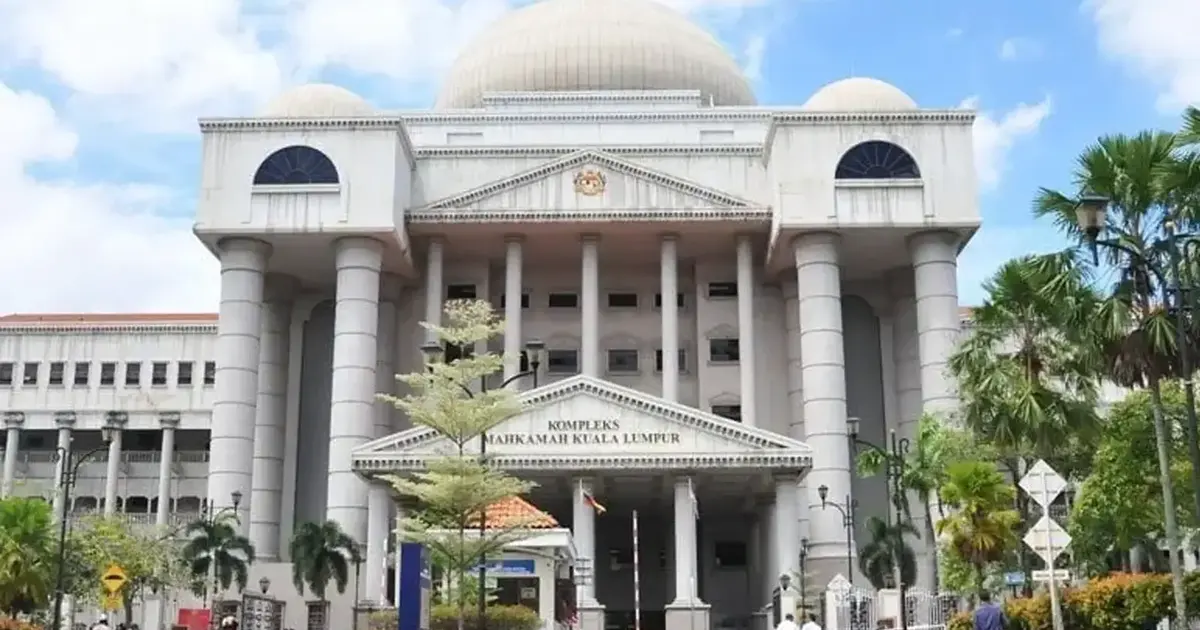
A High Court has ordered a prominent Chinese-language daily newspaper to pay RM400,000 in damages to businessman Yeoh Ee Seong following a defamation suit over a news article that implicated him in a violent assault on a legal professional. The case marks a significant ruling on media accountability and the boundaries between reporting allegations and making damaging insinuations without adequate substantiation.
Yeoh Ee Seong initiated legal proceedings against Sin Chew Media Corporation Bhd, the publisher of Sin Chew Daily, contending that a particular report published by the newspaper had falsely suggested his involvement as the orchestrator of an attack on a lawyer. The businessman maintained that the article's framing and language, while not explicitly naming him as the perpetrator, created a misleading impression among readers that he bore responsibility for the incident, thereby damaging his personal reputation and professional standing.
The defamation dispute centres on how media organisations present information when reporting on criminal matters and allegations. Sin Chew Media's article apparently drew connections between Yeoh Ee Seong and the assault incident through its editorial choices, structure, and language—a journalistic approach that crossed into defamatory territory according to the court's assessment. This distinction matters considerably, as it suggests that news outlets cannot circumvent defamation law by using indirect language or implication rather than direct accusation, a principle with broad implications for Malaysia's media landscape.
The RM400,000 award represents substantial compensation and signals judicial concern about maintaining journalistic standards. Malaysian courts have increasingly scrutinised media reports that blur the line between factual reporting and editorial commentary or suggestion, particularly where allegations of criminal conduct are involved. The decision reinforces that newspapers cannot publish material that damages someone's reputation through innuendo when they lack sufficient evidence or proper grounds for such insinuation.
For Malaysian media organisations, the judgment serves as a cautionary reminder about the responsibilities accompanying press freedom. While reporting on matters of public interest and legal proceedings remains a fundamental journalistic function, outlets must ensure their coverage remains factually grounded and does not weaponise language to damage individuals. The distinction between reporting what someone is accused of and implying someone committed a crime through contextual arrangement of information has become legally significant.
This case also reflects broader tensions within Malaysia's media ecosystem regarding the balance between investigative reporting and defamation liability. Journalists and editors must navigate complex questions about how to cover allegations, criminal investigations, and court proceedings without inadvertently—or deliberately—making unprovable insinuations. The higher the damages awarded, the greater the financial incentive for careful editorial practices.
Sin Chew Daily, one of Malaysia's major Chinese-language newspapers with significant circulation particularly among the Chinese-speaking demographic, operates within a competitive media environment where sensationalism and implied narratives sometimes boost readership. However, the High Court's decision suggests that financial and reputational consequences now attach to such practices, potentially moderating editorial approaches across the industry.
The implications for Malaysian journalism extend beyond this single publication. As regional English-language and Chinese-language media compete for audiences and advertising revenue, outlets may increasingly face defamation claims from individuals who believe they have been unfairly implicated or portrayed. This judgment could influence editorial decision-making across Malaysian newsrooms, particularly regarding how allegations are presented and what contextual information is included or excluded.
Yeoh Ee Seong's successful legal challenge also empowers individuals who believe their reputations have been damaged by misleading media coverage to pursue remedies through the courts. While press freedom remains important, this judgment reasserts that such freedom carries corresponding responsibilities and that individuals retain legal recourse when media organisations cause demonstrable harm through defamatory content.
The award amount suggests the court considered both the direct reputational damage Yeoh Ee Seong suffered and the need to send a deterrent message to media organisations about the costs of irresponsible reporting. Defamation awards in Malaysia have historically varied widely depending on the severity of the falsehood, the defendant's conduct, and the plaintiff's standing and damage suffered.
For businesses and professionals in Malaysia, this ruling offers important protection. Senior executives and business figures frequently find themselves mentioned in news coverage, sometimes in contexts that could imply misconduct without explicit accusation. The High Court decision confirms that individuals can recover damages when publications create misleading impressions of involvement in criminal activity, even through indirect language.
The case raises important questions about editorial processes within news organisations. Whether Sin Chew Media's reporting reflected careless editing, deliberate sensationalism, or good-faith journalistic judgment that the court disagreed with remains relevant to understanding how similar disputes might unfold. Regardless, the financial consequence of the RM400,000 award will likely prompt newsrooms to implement more rigorous review procedures for articles touching on allegations of criminal conduct.
Moving forward, the judgment serves as precedent influencing how Malaysian courts evaluate defamation claims involving implied accusations versus explicit statements. This distinction becomes particularly important in an era of sophisticated communication where meaning is conveyed through juxtaposition, omission, and contextual arrangement rather than merely explicit language. The High Court's decision suggests Malaysian jurisprudence increasingly recognises and protects against such subtle but effective forms of reputational harm.

