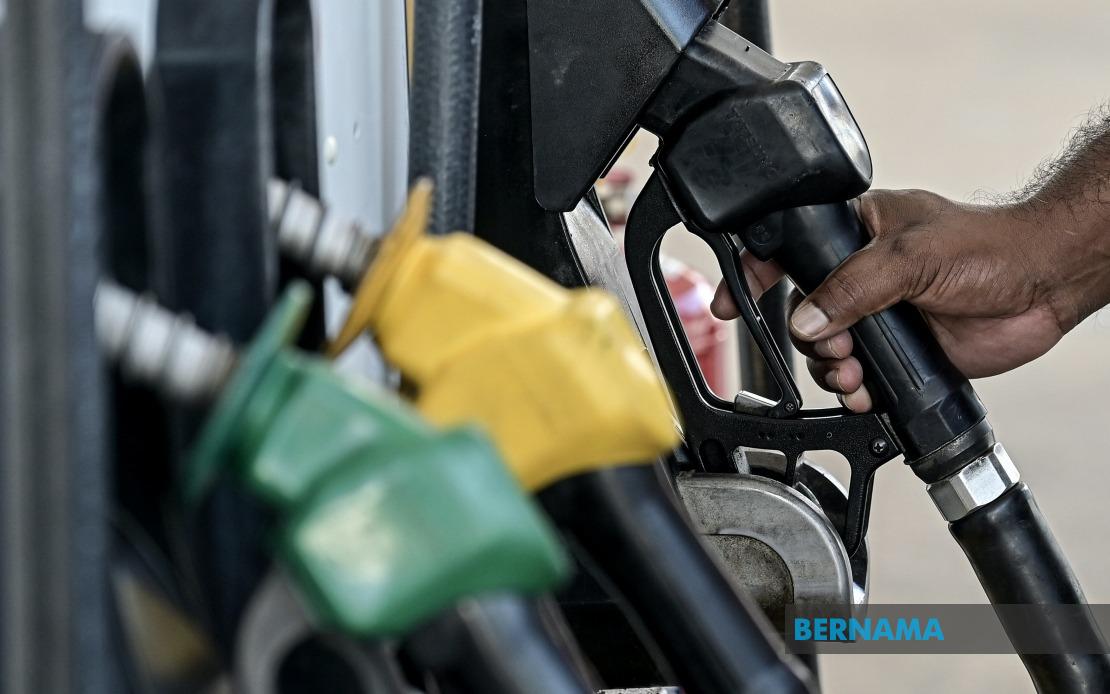
Malaysia's government has rolled out a significantly enlarged fuel subsidy programme targeting 700,000 private diesel vehicle owners across the nation, marking a substantial widening of support compared to its predecessor scheme. Starting July 1, eligible drivers will access subsidised diesel at RM2.10 per litre through the BUDI MADANI Diesel initiative, a policy designed to cushion citizens from volatile global fuel prices whilst maintaining economic stability in sectors dependent on fuel costs.
The Ministry of Finance outlined that the programme encompasses 400,000 private diesel vehicle owners in Peninsular Malaysia, with an additional 300,000 beneficiaries across Sabah, Sarawak, and the Federal Territory of Labuan. This represents a dramatic expansion from the previous BUDI Diesel Individu scheme, which provided monthly cash transfers to merely 180,000 recipients in Peninsular Malaysia. The shift from cash assistance to direct fuel pricing support signals a policy recalibration aimed at delivering more immediate relief at the pump rather than through post-purchase reimbursement mechanisms.
Beyond private vehicles, the government has widened the subsidy net to encompass approximately 70,000 commercial and goods transport vehicles operating in East Malaysia and Labuan, who will purchase fuel at RM2.15 per litre through the Subsidised Diesel Control System. Additionally, company-registered private pickup trucks and jeeps have gained eligibility, contingent upon meeting specified conditions. This expansion reflects official recognition that transport costs ripple across the economy, affecting freight movements, logistics efficiency, and ultimately consumer prices for goods dependent on distribution networks.
The Ministry framed the subsidy as essential infrastructure for cost-of-living relief and economic resilience. By insulating key fuel-dependent sectors from market-rate volatility, policymakers aim to stabilise production costs and prevent inflationary cascades. For Malaysian households and businesses, fuel price stability directly influences transport expenses, agricultural productivity, and manufacturing competitiveness—factors particularly significant for a regional economy competing with neighbours on operational efficiency and export pricing.
Preliminary rollout data provides encouraging signals about implementation readiness. Between the June 27 soft launch for Peninsular Malaysia vehicle owners and noon on June 30, approximately 80,000 transactions were recorded, representing 3.2 million litres dispensed at a subsidy cost exceeding RM7 million. The MyKad verification system at petrol stations operated without material disruption, suggesting the digital infrastructure supporting eligibility confirmation functions reliably. This technical performance is crucial, as authentication failures at fuel pumps could rapidly generate consumer frustration and operational bottlenecks at service stations nationwide.
Pickup truck and jeep owners face additional procedural requirements, with applicants able to request supplementary monthly allocations of up to 100 litres through the BUDI MADANI digital portal. Within hours of the announcement, more than 22,000 applications had been submitted, indicating substantial interest among vehicle owners previously excluded from subsidy programmes. The portal's capacity to process applications at scale will merit ongoing monitoring as demand potentially accelerates across the coming weeks.
Government policy extends beyond the pump price. A three-month waiver on vehicle ownership transfer fees—capped at RM100—commences tomorrow, addressing a practical barrier for families wishing to formalise vehicle registration changes. Road Transport Department counters will operate weekend hours from July 4 through July 26 at all state JPJ offices and branches, accommodating working individuals unable to visit during standard weekday schedules. This administrative accommodation recognises that bureaucratic inconvenience can discourage eligible citizens from completing registration procedures necessary to access benefits.
A novel mechanism permits initial subsidy beneficiaries to transfer their eligibility to spouses, parents, children, or siblings, provided both parties complete formal verification. This one-off transfer provision acknowledges practical family circumstances where registered vehicle owners may not be primary drivers, ensuring benefits accrue to actual users. By June 30 morning, the Ministry had received nearly 1,000 transfer applications, suggesting meaningful uptake of this flexibility option among eligible households planning to optimise subsidy allocation.
The programme's implications for Malaysian fiscal sustainability warrant consideration. Subsidising diesel at RM2.10 per litre, below market-clearing prices, creates government expenditure equivalent to the price differential multiplied by volumes distributed. With 700,000 private vehicles and significant commercial fleet participation, subsidy outlays could accumulate substantially, particularly if global crude prices remain elevated. Policymakers must balance immediate cost-of-living support against longer-term budget constraints and potential implications for currency stability or debt management.
Regionally, Malaysia's subsidy approach contrasts with competing economic models across Southeast Asia. Some neighbouring economies have shifted toward market pricing with targeted cash transfers, reasoning that price signals encourage conservation and efficient fuel use. Malaysia's direct price subsidy maintains artificially depressed fuel costs, potentially reducing consumption disincentives and supporting freight-intensive industries. For Malaysian exporters and logistics operators, lower fuel costs enhance international competitiveness, though subsidies may disguise underlying cost structures that market prices would reveal.
The rollout's success hinges on several factors beyond initial transaction volumes. System stability as demand scales, equitable access across geographic regions with varying petrol station density, and preventing fraudulent claims through MyKad verification all require sustained operational excellence. Additionally, government communications clarifying eligibility criteria and quota mechanics will determine whether the programme achieves intended coverage rates, or whether information asymmetries leave entitled Malaysians unaware of benefits available.
Moving forward, the government faces questions about programme permanence, adjustment mechanisms if fuel prices fluctuate dramatically, and criteria for reviewing eligibility. Policymakers will require robust data collection throughout the programme's implementation to assess fiscal impact, measure cost-of-living benefits realised, and inform decisions about extending, modifying, or concluding the subsidy when circumstances permit. For Malaysian drivers and businesses dependent on fuel stability, BUDI MADANI Diesel represents immediate relief; for Treasury officials, it constitutes a significant budgetary commitment requiring disciplined oversight and clear exit criteria.

