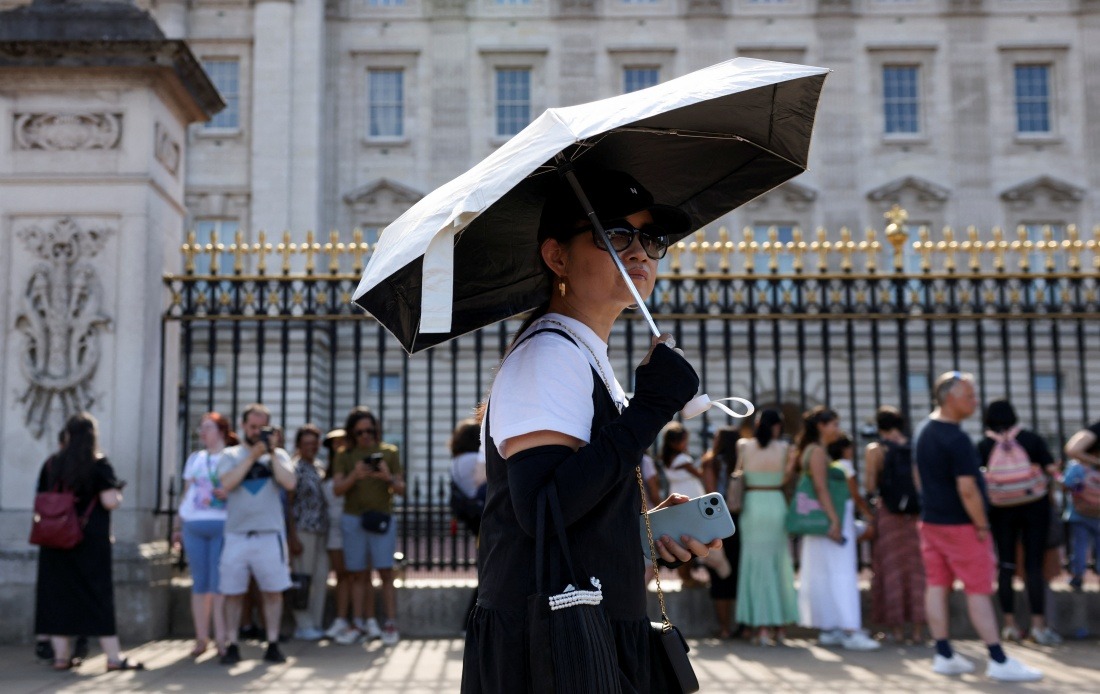
Britain's iconic Buckingham Palace will remain without its traditional ceremonial guard change this week following an unprecedented decision by the UK's Household Division to suspend all scheduled ceremonial operations across London and Windsor. The extraordinary move, prompted by a dangerous heatwave, marks a significant disruption to one of the nation's most recognisable pageantry rituals. Guard changes that would normally proceed with full ceremonial splendour have been indefinitely postponed on Tuesday, Wednesday, and Thursday as temperatures soar to dangerous levels.
The decision reflects the severity of weather conditions gripping Britain, with the UK's Met Office having issued a rare red weather alert—the highest level of heat warning—covering large swathes of England and Wales this week. This classification indicates exceptional circumstances that pose genuine risk to public safety and critical infrastructure. Meteorological forecasts point to temperatures potentially reaching 39 degrees Celsius during the middle of the week, with some regions expecting readings to push even higher. Such conditions threaten to surpass the June heat record, an indication of the unusual nature of this meteorological event.
The Household Division's statement prioritised the wellbeing of multiple constituencies affected by the planned ceremonies. Soldiers participating in guard changes face prolonged exposure to extreme heat whilst wearing full ceremonial dress uniforms and carrying equipment—conditions that create genuine health risks including heat exhaustion and heatstroke. Equally significant is the protection of military working horses, which cannot regulate body temperature as effectively as humans and are particularly vulnerable during periods of intense heat. Beyond the military personnel and animals, the Household Division also cited concern for the substantial crowds of tourists and spectators who regularly gather to witness these ceremonies, many of whom would be standing in direct sunlight without adequate shelter.
Not all ceremonial activities have been entirely abandoned, however. The Royal Horse Guards' changing ceremony, originally scheduled for Wednesday at full ceremonial strength, will proceed but in substantially modified form. Rather than maintaining the traditional afternoon timing, the ceremony has been relocated to an earlier hour in the morning when ambient temperatures remain comparatively lower. The usual pageantry elements—the formal processions, full dress displays, and ceremonial flourishes that characterise these events—have been stripped away in favour of a streamlined operation. Additionally, soldiers involved will be repositioned to shaded areas wherever possible, and rotation schedules have been accelerated to minimise individual exposure to continuous heat stress.
The heatwave's impact extends far beyond Westminster and into the broader fabric of British public life. Educational institutions across southern England have responded to the red weather alert by closing their doors to protect children and staff from dangerous conditions. Somerset County Council announced that approximately 100 schools within its jurisdiction would remain shuttered throughout the period of peak heat. Buckinghamshire experienced similar disruptions, with a comparable number of educational facilities closing, while Gloucestershire reported suspensions at more than 80 schools. These counties form part of the officially designated red alert zone, where conditions are deemed most severe.
London itself, despite being the nation's capital and typically equipped with more sophisticated cooling infrastructure than provincial areas, has not escaped the educational disruptions. Nearly ten major schools in the capital have cancelled in-person instruction, forcing families to manage childcare alternatives and students to navigate remote learning arrangements on short notice. The decision by schools to close reflects not merely administrative caution but genuine concerns about maintaining safe learning environments when facilities lack adequate cooling systems and when the physical effort of travelling to school during extreme heat poses health risks.
This heatwave represents the type of extreme weather event that climate scientists have warned would become more frequent across temperate regions. While British summers occasionally produce warm spells, the combination of a red alert warning with potential record-breaking temperatures indicates conditions that fall well outside the historical norm. The cancellation of Buckingham Palace ceremonies, a ritual that has persisted through numerous national crises and ordinary weather challenges, serves as a stark indicator of the exceptional nature of current conditions.
For Malaysian and Southeast Asian observers, the British response to this heatwave offers comparative context regarding how different climates and societies approach extreme temperatures. Whilst tropical regions have adapted infrastructure and practices to manage sustained high temperatures year-round, Britain's existing systems are not designed for such conditions. Air conditioning penetration remains lower in UK schools and public buildings than in Malaysian equivalents, partly because such infrastructure was historically deemed unnecessary. The current crisis illustrates how even wealthy, developed nations can struggle when weather patterns shift beyond historical parameters.
The broader implications concern how institutional rigidity sometimes conflicts with public safety imperatives. The decision to suspend Buckingham Palace ceremonies—symbolic bastions of British tradition and continuity—demonstrates that even deeply entrenched practices must yield to genuine health and safety considerations. This pragmatic approach, whilst perhaps disappointing to tourists and tradition enthusiasts, reflects a mature institutional framework that prioritises substance over ceremony when genuine stakes exist.