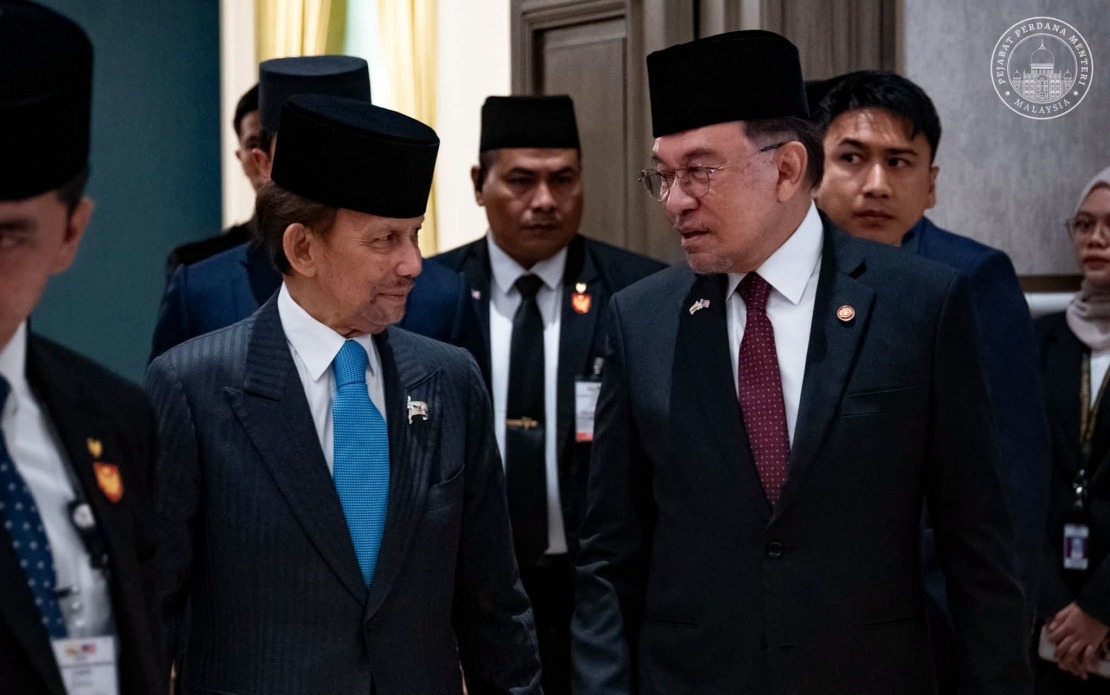
Prime Minister Datuk Seri Anwar Ibrahim received a supportive phone call from Sultan Hassanal Bolkiah of Brunei Darussalam, during which the Brunei monarch inquired about the Malaysian leader's health and offered prayers for his swift recovery. Anwar publicly acknowledged the gesture through a Facebook post, expressing his gratitude for the Sultan's concern and reciprocating with blessings for the Bruneian ruler's continued wellbeing and protection under divine mercy.
The gesture of royal solidarity underscores the deep personal relationships that exist between Malaysian and Brunei leadership, extending beyond formal diplomatic channels. Such direct communications between heads of state, particularly expressions of concern during health challenges, reflect the close ties that have long characterised bilateral relations between the two neighbouring Southeast Asian nations sharing maritime borders and cultural heritage.
Anwar's health update came a week after he underwent an elective laparoscopic surgical procedure on the previous Monday to address a para-umbilical hernia condition. The minimally invasive operation represents a routine medical intervention, though the Prime Minister's office has maintained transparency with the public about his medical status. Medical specialists continue to monitor his recovery closely, ensuring proper postoperative care during his rehabilitation period.
The timing of Sultan Hassanal Bolkiah's call carries particular significance given the scheduled diplomatic engagement between the two nations. Anwar confirmed that he will travel to Bandar Seri Begawan in the coming week to hold an audience with the Sultan, coinciding with the 27th Annual Leaders' Consultation between Malaysia and Brunei—a recurring bilateral forum designed to strengthen ties and address matters of mutual interest.
The Annual Leaders' Consultation represents a cornerstone mechanism in Malaysia-Brunei relations, providing structured opportunity for senior leadership from both countries to engage on issues spanning trade, security, maritime cooperation, and regional stability. The continuation of this engagement despite Anwar's recent medical procedure demonstrates the priority both governments place on maintaining momentum in their diplomatic relationship.
Brunei, though geographically small and modest in population, occupies an important position in Malaysian foreign policy as a neighbouring state with substantial hydrocarbon resources and strategic location along key sea lanes. The principality's consistent engagement with Malaysia reflects mutual recognition of shared interests in regional development, counterterrorism efforts, and the maintenance of peace in the South China Sea.
The public acknowledgment of the Sultan's gesture through social media represents a modern diplomatic practice, allowing Malaysian leadership to communicate directly with citizens while simultaneously conveying messages about bilateral relationships. Such transparency regarding the Prime Minister's health and recovery trajectory also serves to reassure the public and international observers about the continuity and stability of Malaysia's political leadership.
Anwar's ability to proceed with scheduled international engagements despite undergoing recent surgery suggests that the procedure was routine and his recovery trajectory remains positive. The elective nature of the operation, combined with close medical supervision, indicates proactive healthcare management rather than response to an urgent medical crisis.
The broader context of Malaysia-Brunei relations includes longstanding cooperation frameworks addressing maritime boundary issues, joint energy development, and coordination on regional security challenges. Both nations share ASEAN membership and collaborate on various multilateral initiatives affecting Southeast Asia's geopolitical and economic landscape. The Annual Leaders' Consultation provides the apex forum for addressing strategic concerns and mapping out future cooperation priorities.
The Sultan's personal gesture of concern reflects diplomatic protocol that emphasises the importance of personal relationships between leaders in Southeast Asian governance. In a region where personal connections often facilitate more effective diplomatic engagement than formal institutions alone, such gestures carry symbolic weight that extends beyond courteous pleasantries to demonstrate genuine solidarity between neighbouring leaderships.
As Anwar continues his recovery in the coming days before his scheduled travel to Brunei, the international medical community would view his participation in diplomatic engagements as positive indicator of successful post-operative progress. The willingness to maintain scheduled commitments suggests confidence in his health trajectory among both his medical team and political advisors.
Moving forward, the Annual Leaders' Consultation will provide opportunity for substantive discussion on matters likely including economic cooperation revival following pandemic disruptions, maritime security in contested waters, and broader ASEAN coordination. The fact that this engagement proceeds as scheduled, with Anwar's full participation, sends reassuring signals about Malaysia's political stability and continued commitment to regional engagement during a period of health-related uncertainty.

