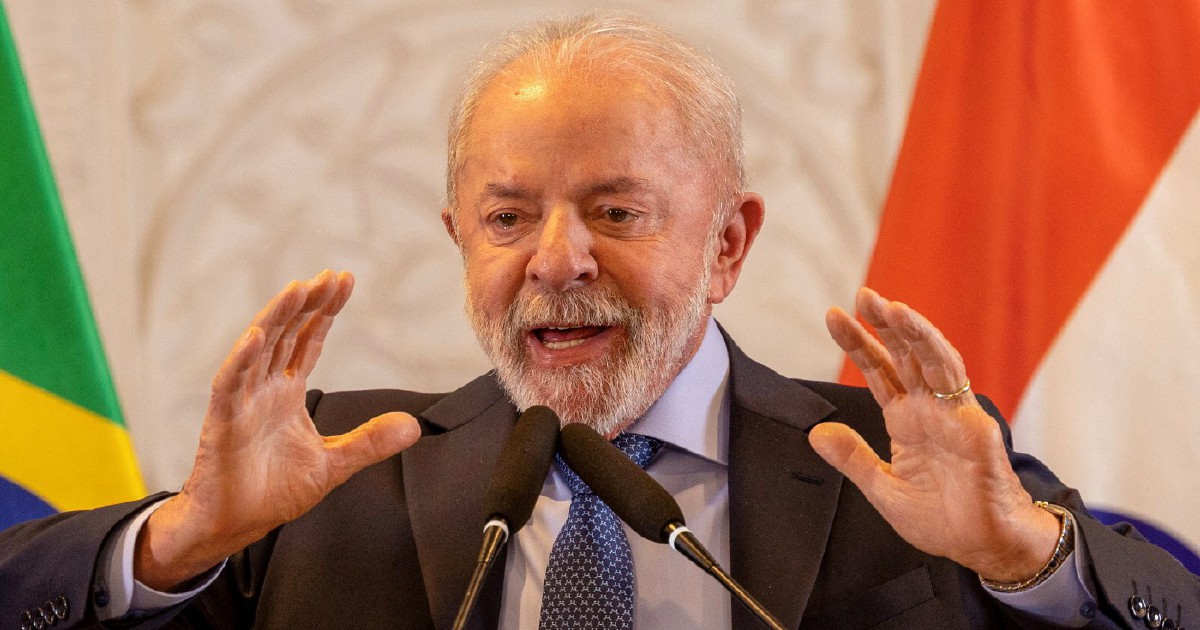
A Brazilian Supreme Court justice has paved the way for federal police to examine allegations that the president's son provided improper assistance to a lobbyist seeking favours from the nation's health ministry. Justice Andre Mendonca's decision to greenlight the investigation marks a fresh legal challenge for the administration of President Luiz Inacio Lula da Silva, who has already grappled with significant scrutiny since returning to office.
The inquiry will focus on Fabio Luis Lula da Silva's alleged involvement in facilitating lobbying activities targeting the health ministry, according to sources briefed on the matter. The authorization represents the latest development in a series of controversies surrounding high-ranking government officials and their connections to business interests seeking ministerial influence.
For Malaysian observers of Brazilian politics, this investigation underscores the recurring tensions between family ties and governance standards that plague even established democracies in the Western Hemisphere. Brazil's complex political landscape has frequently intersected personal relationships with official decision-making, a pattern that resonates with similar challenges faced across developing and middle-income nations in Southeast Asia.
The decision by Mendonca signals that Brazil's judicial system continues to operate with institutional independence, even when scrutinizing the families of sitting presidents. This reflects the role that supreme court justices have assumed as guardians of constitutional propriety during periods of political transition and potential abuse of executive privilege.
Lula's presidency, which commenced in January 2023 following his release from imprisonment on corruption-related charges, has confronted persistent questions about governance integrity. The investigation into his son represents a test of whether the administration can withstand institutional checks without attempting to shield family members from legitimate legal examination.
The health ministry occupies particular significance in Brazilian governance, given its control over substantial budgets, procurement contracts, and policy-making authority. Lobbying efforts directed at this institution carry significant commercial implications, as countless private companies, pharmaceutical firms, and healthcare providers seek ministerial decisions that affect their operations and profitability.
The involvement of a lobbyist in these allegations suggests a broader pattern of influence-seeking rather than isolated misconduct. Lobbying, while legal when conducted transparently, becomes problematic when it involves undisclosed family connections to government officials or circumvents formal channels for policy advocacy.
For the Lula administration, this investigation compounds existing challenges in establishing a governance reputation free from corruption associations. The president himself faced years of imprisonment before returning to power, and his political movement has historically confronted accusations of improper conduct in dealings with business sectors.
The Supreme Court's authorization also demonstrates Brazil's institutional capacity to initiate investigations without requiring prior approval from executive branches. This separation of powers, though sometimes contentious, provides crucial oversight mechanisms that prevent unchecked executive authority.
As regional leaders across Southeast Asia navigate their own challenges with family-connected business interests and governance transparency, Brazil's investigative process offers comparative lessons. The manner in which the federal police conduct this inquiry—whether thoroughly and impartially or with political interference—will signal broader messages about institutional credibility.
The timing of this authorization, coming during the second year of Lula's presidency, suggests that judicial bodies have maintained confidence in pursuing investigations without fear of political retaliation. This institutional resilience becomes increasingly important given the high stakes involved when examining relatives of sitting executives.
How the investigation develops will significantly impact public confidence in both the presidency and the judiciary. A transparent, evidence-based inquiry could reinforce belief in Brazil's constitutional mechanisms, while perceived bias or hasty conclusions could further erode institutional trust during an already contentious political period.
The case ultimately reflects a fundamental tension in presidential systems: the expectation that families of elected leaders operate within the same legal frameworks as ordinary citizens, even as such investigations inevitably carry political implications that complicate objective fact-finding.

