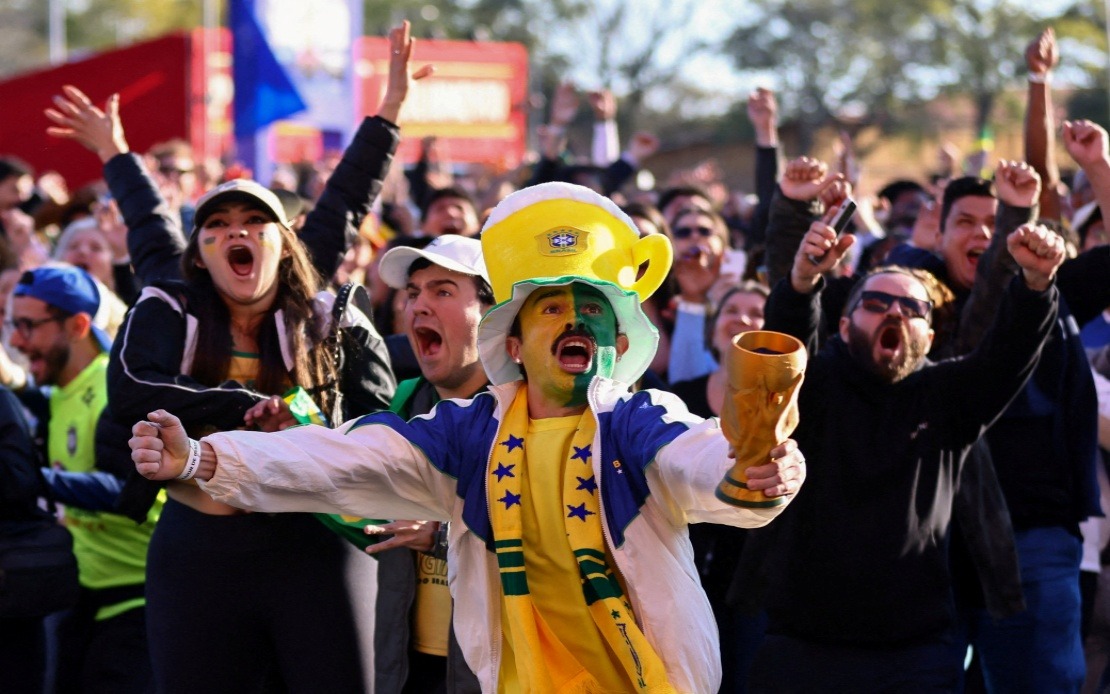
Brazil came from behind to defeat Japan 2-1 in a tense Round of 32 encounter at Houston Stadium on June 30, booking their passage to the knockout stages of the 2026 FIFA World Cup. The South American giants, managed by Carlo Ancelotti, fell behind early but demonstrated the resilience expected of a five-time world champion, turning the match decisively in their favour with goals in the 56th and 90th minutes.
Japan's disciplined approach during the opening period proved surprisingly effective against Brazil's attacking ambitions. The Samurai Blue adopted a compact 5-4-1 formation that restricted space and prevented the Selecao from establishing rhythm through their preferred wide channels. Despite Brazil's clear dominance in possession, Japan's defensive organisation frustrated their opponents and prevented the fluent football that typically characterises the South Americans' play. The contrast in approaches highlighted how strategic discipline can temporarily neutralise superior technical ability.
The breakthrough for Japan came unexpectedly in the 29th minute when midfielder Kaishu Sano punished a careless moment from Brazil's defence. After intercepting a wayward pass from Danilo, Sano surged forward and unleashed a clinical finish from outside the penalty area, sending the ball low past goalkeeper Alisson. The goal marked Sano's maiden international strike and represented a significant achievement for a Japanese player on football's grandest stage. Japan's lead at the interval represented a genuine opportunity to make history, as the nation had never previously won a knockout match at the World Cup.
The psychological advantage of holding a half-time lead against Brazil cannot be understated in World Cup football. Japan entered the break with a tangible opportunity to achieve something unprecedented in their tournament history. However, the challenge of maintaining defensive discipline against a motivated Brazilian side seeking redemption loomed large as the teams prepared for the second half. For many observers, Japan's first-half performance suggested they possessed the tactical acumen to frustrate Brazil throughout.
Brazil's second-half transformation proved decisive and reflected their experience at the highest level. Ancelotti's team emerged with noticeably increased intensity and purpose, concentrating their attacks through the flanks where they identified vulnerability in Japan's defensive shape. The sustained pressure eventually yielded results in the 56th minute when midfielder Casemiro rose highest to meet a cross from Gabriel Magalhaes, directing his header past goalkeeper Zion Suzuki to restore parity. The goal reflected Brazil's superior physical presence in attacking situations and signalled a momentum shift that proved difficult for Japan to counter.
With the match entering its final phases and extra time appearing inevitable, Brazil struck a devastating blow in the 90th minute that ended Japan's tournament aspirations. Bruno Guimaraes drove purposefully towards Japan's penalty area before releasing a precise pass to Gabriel Martinelli, who finished with composure despite Suzuki's desperate attempt to deny him. The goal, arriving so late in proceedings, amplified Japan's despair and confirmed Brazil's advance to the next round.
For Japan, the defeat represented a heartbreaking conclusion to what had been a commendable performance against one of world football's traditional powerhouses. Despite their first-half dominance and the historic opportunity they held, the Samurai Blue's inability to maintain their defensive structure under sustained pressure proved costly. The loss prevents Japan from achieving their first-ever knockout victory at the World Cup, extending a record of disappointment in the tournament's latter stages. Their organised defensive approach demonstrated technical capability but ultimately insufficient resilience when tested by determined opponents.
Brazil's progression represents a successful navigation of what appeared to be a genuinely competitive group stage encounter. The Selecao's ability to respond after falling behind illustrates why they remain among the tournament favourites, possessing both the technical quality and mental fortitude required to overcome adversity. Their advancement to the Round of 16 means they will face either Norway or Ivory Coast in their next fixture, encounters that should provide more favourable matchups than the stern examination Japan provided.
The victory holds particular significance for Brazilian football's broader narrative in 2026, confirming that Carlo Ancelotti's squad possesses the ingredients necessary to compete for a sixth world title. The ability to overcome a well-organised opponent demonstrates adaptability and the willingness to adjust tactical approaches when initial strategies prove ineffective. For Southeast Asian observers, Brazil's performance offers insight into the competitive standards at world football's elite level and the precision required to challenge established powers.
Japan's exit from the tournament, whilst disappointing, reflects the narrow margins that separate success from elimination at the World Cup. A single moment of defensive vulnerability, a well-executed counter-attack, or a straightforward finishing opportunity can determine progression or elimination at this level. The Samurai Blue's performance suggests they possess the organisational capacity to compete more effectively at future tournaments, provided they can improve their finishing capability and clinical edge in attacking situations.
The match encapsulates the drama that makes World Cup football compelling, with momentum shifts, individual moments of quality, and emotional fluctuations. Brazil's late goals transformed a match that appeared headed towards a climactic extra period into a comfortable advancement for the South American nation. Japan's inability to convert their first-half dominance into a decisive result serves as a reminder that tournament football rewards efficiency and the ability to capitalise on limited opportunities, factors that separate champions from participants.

