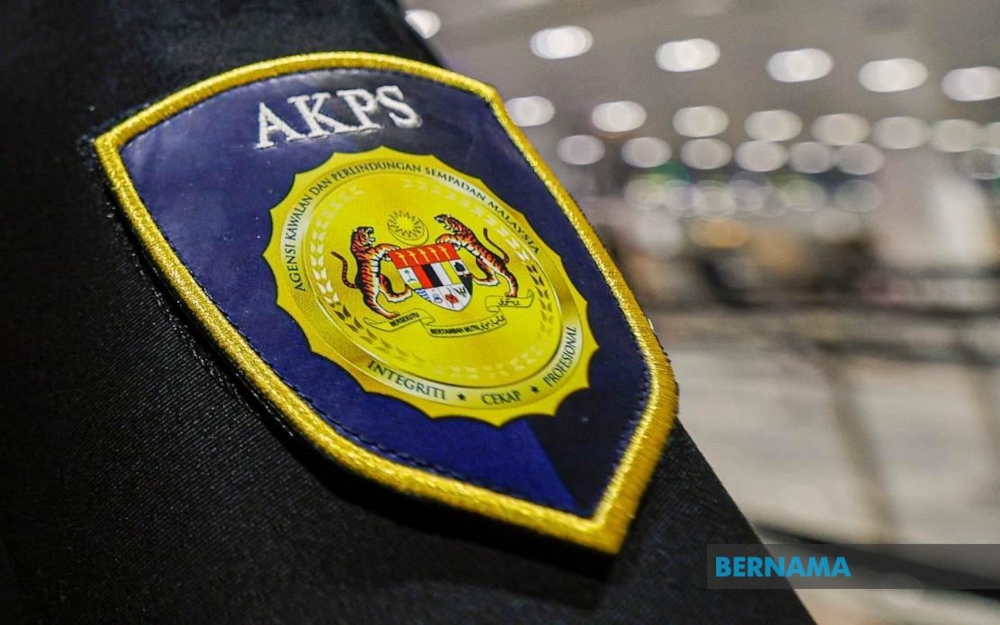
The Malaysian Border Control and Protection Agency (AKPS) has formally opened an internal investigation following allegations that a Kuala Lumpur International Airport 2 (KLIA 2) officer accepted a RM100 payment transmitted via a personal QR code in what authorities suspect may constitute bribery or misconduct. The agency's decision to probe the matter underscores persistent challenges around financial propriety and officer conduct at Malaysia's busiest airport terminal, which continues to process millions of international travellers annually.
The complaint came to AKPS's attention through official channels, though the precise circumstances surrounding the alleged transaction—whether it occurred during routine passenger processing, customs clearance, or immigration procedures—remain subject to ongoing inquiries. Digital payment methods including QR codes have become ubiquitous across Malaysian airports for legitimate transactions, yet their convenience has simultaneously created opportunities for individuals to blur the line between personal and professional financial arrangements. The use of a personal rather than official payment mechanism suggests deliberate circumvention of institutional oversight and audit trails.
This development arrives at a particularly sensitive moment for Malaysia's aviation sector, which has faced repeated scrutiny over governance standards and the conduct of frontline personnel. KLIA 2, which opened in 2014 and has become the primary hub for budget carriers serving Southeast Asia, processes approximately 50 million passengers annually, making it critical infrastructure for regional connectivity. The airport's reputation depends substantially on the professionalism and integrity of its officers, many of whom hold authority to make decisions affecting passenger entry, cargo clearance, and security classifications.
Previous incidents involving allegations of improper conduct at Malaysian airports have prompted tighter oversight mechanisms and enhanced anti-corruption training. The emergence of a new complaint suggests these safeguards, while in place, may not be entirely preventing isolated breaches of conduct standards. The AKPS investigation will likely examine whether the officer involved solicited the payment, accepted it voluntarily, or was approached unsolicited, as these circumstances carry different implications for disciplinary and potential criminal proceedings.
The digital payment dimension warrants particular attention from authorities tasked with maintaining airport security and propriety. Unlike cash transactions that leave no direct record, QR code payments generate transaction data that should be traceable through banking and financial platforms. Investigators will likely request payment records from the relevant financial institution to verify the nature of the transaction, the identities of both parties, and the stated purpose if any was recorded. This digital footprint simultaneously complicates the officer's position while providing authorities with investigative leads.
Border control agencies across Southeast Asia have increasingly confronted corruption challenges stemming from officers' exposure to high-value transactions, passenger documents, and discretionary authority over clearance decisions. In neighbouring countries, similar investigations have occasionally uncovered networks of improper payments or facilitation schemes involving travellers, traders, or business intermediaries seeking expedited processing or favourable treatment. The AKPS must therefore consider whether this isolated complaint represents an individual lapse or signals a broader pattern requiring systemic intervention.
The investigation carries significant implications for personnel management at KLIA 2, where approximately 1,200 front-line officers and supporting staff operate across shifts handling immigration, customs, and quarantine functions. A confirmed breach of conduct standards would necessitate disciplinary action ranging from suspension and retraining through to termination, depending on the severity of findings and whether financial benefit was actually transferred or merely solicited. Such outcomes, while necessary for maintaining institutional integrity, also carry workforce implications that management must carefully navigate.
Malaysia's commitment to anti-corruption governance has been reinforced through various international commitments and domestic institutional reforms in recent years. The AKPS investigation, while concerning in its implications, also demonstrates that complaint mechanisms are functioning and allegations are being taken seriously by supervisory authorities. However, the frequency and nature of such complaints provide important indicators of whether broader cultural or structural changes are taking root within organisations responsible for border security and passenger facilitation.
For Malaysian businesses and travellers, incidents of alleged misconduct by airport personnel raise questions about procedural fairness and the consistency of treatment across different passenger profiles. International visitors, in particular, may form lasting impressions of Malaysia based on their experiences at ports of entry, making officer conduct issues relevant to broader tourism and trade competitiveness. Thorough, transparent investigation and appropriate remedial action can help preserve confidence in Malaysia's aviation infrastructure.
The AKPS's internal investigation is expected to proceed through standard protocols, with findings potentially forwarded to law enforcement authorities or the Public Service Commission should evidence indicate breaches beyond administrative misconduct. Authorities have indicated that preliminary findings should emerge within a defined timeframe, though public disclosure typically remains limited pending completion of investigative and disciplinary processes. The agency's responsiveness to this complaint signals that concerns about officer conduct remain a priority focus area.

