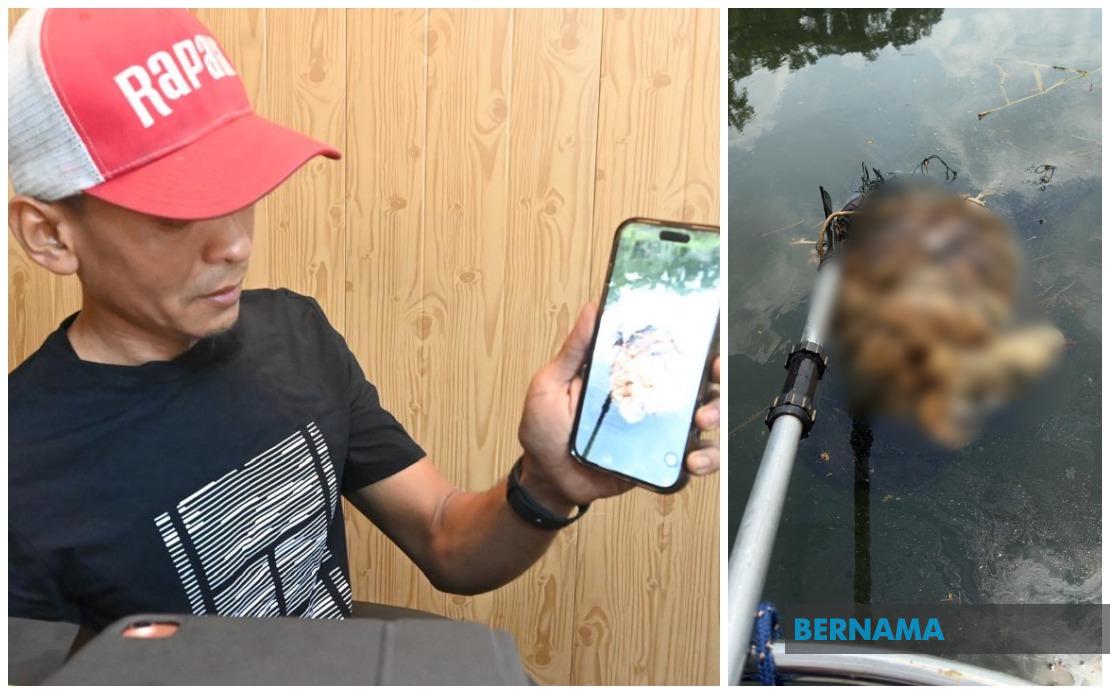
A routine fishing expedition turned into a grim discovery in Batu Pahat, Johor, when a fisherman stumbled upon a wrapped and netted body in the waters of Sungai Tanjung Sembrong at Parit Raja. The find, which occurred on August 3, has since triggered a police investigation that has resulted in the arrest of three men aged between 26 and 40 to assist with inquiries. The incident highlights how chance encounters during everyday activities can sometimes unveil serious crimes, while also underscoring the ongoing challenges of missing persons and criminality in the Iskandar Puteri area.
Muhamad Zul Fikri Borhanodin, 33, was documenting his fishing hobby for social media purposes when he observed what initially appeared to be an animal carcass floating in the water around 11 am. His immediate instinct, based on two decades of experience fishing in the river, was to dismiss it as yet another routine sight in an area where such occurrences are not uncommon. However, his curiosity was piqued by two specific details that deviated from ordinary riverine debris: the overwhelmingly pungent odour emanating from the object and the deliberate wrapping with netting, which suggested intentional concealment rather than accidental waste disposal.
Upon closer examination, the presence of denim clothing visible through the wrapping convinced Muhamad Zul Fikri that he had encountered something far more serious than animal remains. He promptly contacted a companion who was operating a separate vessel nearby, demonstrating quick thinking in a situation that many would find distressing. This rapid response ensured that authorities could be notified without unnecessary delay, potentially preserving crucial evidence and information.
The discovery highlights a sobering pattern at this particular location. Muhamad Zul Fikri revealed that this constituted his second encounter with human remains in the river, with the previous incident occurring several years earlier when someone fell into the waterway. The recurrence of such incidents at Sungai Tanjung Sembrong raises questions about water safety measures and whether additional preventative infrastructure or monitoring could help reduce tragic occurrences in the area. For long-time residents and regular users of the river, each discovery carries additional weight and concern.
Police received notification of the body discovery at approximately 12:30 pm, initiating a formal investigation led by Johor's deputy police chief DCP Hoo Chuan Huat. The subsequent investigative work revealed a critical link to a missing person case. The victim's wife had filed a missing person report on July 29, just days before the body's discovery, regarding her husband's disappearance in Mutiara Rini, Iskandar Puteri. This timeline compression—from missing report to body discovery within approximately five days—suggests a rapid and possibly violent sequence of events.
The three arrests made in the Batu Pahat area on the same day as the body's discovery indicate that police have moved swiftly to identify potential suspects. The fact that multiple individuals were taken into custody suggests either organized involvement or that investigators have established preliminary connections between the men and the circumstances surrounding the victim's death. However, authorities have been circumspect about releasing details regarding the nature of these connections or the charges that may be forthcoming.
The location where the body was discovered holds particular significance within Johor's geography. Sungai Tanjung Sembrong flows through an area with both rural and increasingly developed sections, making it a place where community members regularly congregate for fishing and recreation. The presence of such a discovery in a well-used waterway raises public safety concerns and underscores how crimes can intersect with ordinary civilian activities in unexpected ways. Families and recreational users of the river may now reassess their sense of security in these spaces.
Mutiara Rini, from where the victim disappeared, represents a residential development in the Iskandar Puteri area, one of Johor's more populated regions. The choice of this location as the point of disappearance and the eventual discovery of remains several kilometres away in the river system suggests either deliberate transportation of the body or a sequence of events that began elsewhere. Understanding the victim's movements and associations during the period between disappearance and discovery will likely be central to the police investigation.
This case exemplifies the unpredictable nature of criminal investigation in Malaysia, where evidence and breakthroughs often emerge through chance encounters rather than systematic detective work alone. Fishermen, construction workers, and other individuals engaged in outdoor or manual labour frequently become unwitting discoverers of evidence or remains. Their cooperation and willingness to report suspicious findings, as demonstrated by Muhamad Zul Fikri, constitute essential components of effective law enforcement in a sprawling archipelago with numerous waterways and remote locations.
The involvement of three suspects suggests that if foul play is confirmed, the circumstances may involve multiple perpetrators or at minimum, multiple individuals with knowledge of the crime. Whether the case involves premeditated homicide, crimes of passion, or other serious offences remains to be determined as investigations continue. The arrest and detention of suspects provides law enforcement with an opportunity to conduct thorough questioning and gather statements that may either corroborate or contradict initial theories about what transpired.
For the victim's family, the discovery of remains—however distressing—may finally provide closure following the anguish of uncertainty. The missing person report filed by the wife on July 29 would have initiated its own investigative processes, but the recovery of a body shifts the case categorically from missing person inquiry to potential homicide investigation. This distinction carries significant implications for the family's legal recourse and any potential claims regarding the circumstances of death.
The incident also raises broader questions about water safety and body recovery procedures in Johor's river systems. The deliberate wrapping and netting of the body suggests an attempt to conceal evidence or delay discovery, yet the environmental factors that led to the distinctive odour ultimately contributed to its relatively prompt identification. Authorities may wish to examine whether improved surveillance, community awareness programmes, or water patrol initiatives could help deter such crimes or facilitate swifter discovery of victims in the future.

