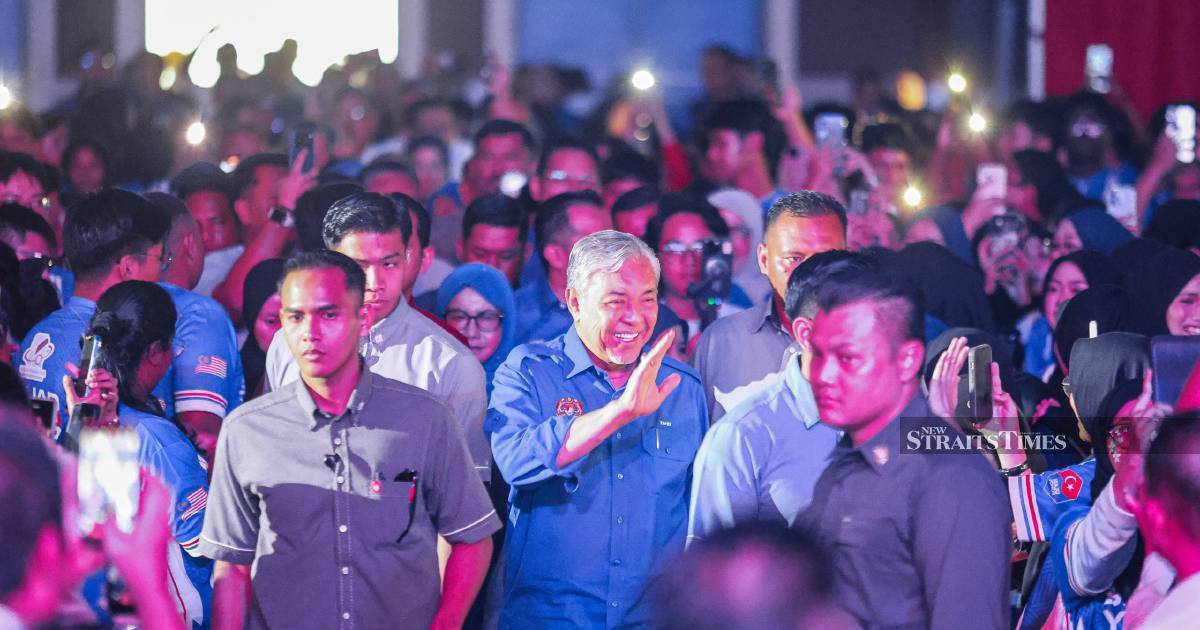
The Barisan Nasional coalition is intensifying its push to maintain momentum in Johor by calling on the state's younger voters to sustain their backing for caretaker menteri besar Datuk Onn Hafiz Ghazi as the July 11 state election approaches. Speaking in Iskandar Puteri, senior coalition figures have framed the electoral contest as a referendum on continuity versus disruption, with Onn Hafiz emerging as the pivotal figure in the coalition's strategy to consolidate support across demographic groups ahead of polling day.
The emphasis on youth engagement reflects a broader recognition within BN that winning over younger voters—particularly those aged 18 to 40—will be decisive in determining the coalition's performance in Johor. This constituency has become increasingly volatile in recent election cycles, with young Malaysians showing less loyalty to traditional parties and more responsiveness to candidates offering concrete development plans and transparent governance. By positioning Onn Hafiz as the standard-bearer for continued progress, BN is attempting to anchor generational appeal to a specific personality and track record rather than relying solely on party machinery or established voter bases.
Onn Hafiz's tenure as menteri besar has been marked by several infrastructure and economic initiatives that the coalition argues warrant continuation. His administration has pursued projects spanning urban renewal, technology hubs, and transportation infrastructure improvements that appeal particularly to younger, aspirational voters in urban centres. The decision to make him the coalition's focal point also signals confidence in his ability to transcend traditional factional divides within BN's member parties, which have historically competed for influence in Johor politics.
The timing of the youth-focused messaging is strategic. With the election just weeks away, parties are concentrating resources on persuading swing voters and building enthusiasm among supporters who might otherwise stay home on polling day. Youth mobilisation campaigns typically hinge on social media outreach, youth wing activities, and peer-to-peer campaigning—channels where grassroots energy can translate into meaningful turnout advantages.
Johor's political landscape has been in flux since the 2022 general election, during which the state experienced significant voter realignment. The emergence of new coalitions and shifting patterns of cooperation between BN and other blocs have created opportunities for voters—particularly younger ones—to reconsider their allegiances. By explicitly appealing to youth, the coalition is attempting to prevent erosion of support while also signalling that Onn Hafiz represents a new generation of leadership distinct from older party barons.
The development agenda that BN is emphasising resonates with concerns young Johoreans have repeatedly expressed: job creation, affordable housing, improved public transportation, and digital infrastructure. Onn Hafiz's track record on these issues will likely determine his effectiveness in converting this appeal into actual votes. Any perception that development has stalled or that promised projects remain incomplete could undermine the coalition's narrative of progress requiring continued BN stewardship.
Regional observers note that Johor remains a bellwether for broader Malaysian politics. As the nation's second-largest state by population and a traditional BN stronghold, electoral outcomes here carry symbolic weight beyond the state itself. A strong showing for Onn Hafiz and BN would reinforce the coalition's recovery narrative following its 2018 election defeat and 2020 political turbulence. Conversely, significant losses—particularly among younger voters—would suggest that the coalition's revitalisation efforts remain incomplete and that voter appetite for fresh alternatives persists.
The coalition's strategy also implicitly acknowledges that party brands alone may be insufficient to win elections in contemporary Malaysia. Individual leaders with demonstrable records and youth appeal have become increasingly important as traditional party loyalty has declined. Onn Hafiz's positioning as a coalition asset rather than merely a UMNO or BN party creature suggests sophisticated campaign thinking aimed at broadening his appeal beyond traditional partisan bases.
Electoral success in reaching youth voters ultimately depends on execution across multiple channels. Youth wings of BN parties have been tasked with coordinating grassroots engagement, while digital media campaigns target younger demographics through platforms where they congregate. Town halls, campus outreach, and social media influencer partnerships form part of a broader effort to make Onn Hafiz and BN's development narrative resonate with voters for whom development, economic opportunity, and clean governance remain paramount concerns.
As the July 11 election date draws nearer, the intensity of this youth-focused messaging will likely increase. BN's commitment to maintaining Onn Hafiz's leadership and continuity with his administration's policies suggests confidence that voters perceive value in his stewardship. Whether this confidence proves justified will become clear once polling concludes, with implications extending well beyond Johor's borders for Malaysia's broader political trajectory and the effectiveness of the coalition's recovery strategy.

