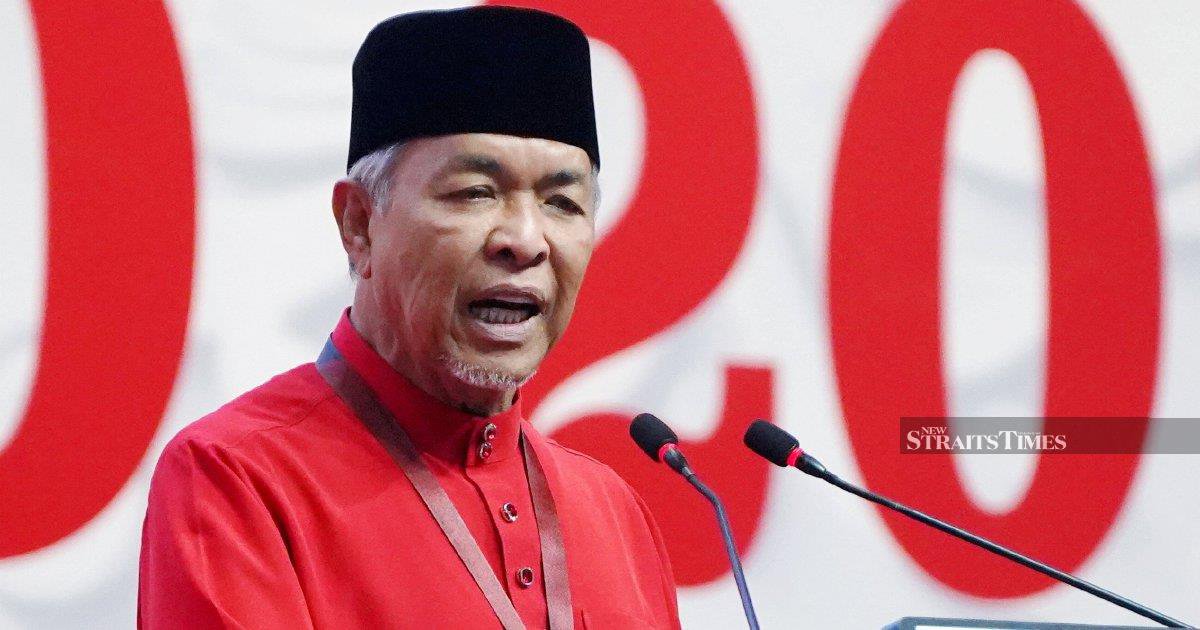
The leadership of Barisan Nasional and Umno has signalled an uncompromising stance on accountability regarding the Tabung Haji Royal Commission of Inquiry, with BN chairman and Umno president Datuk Seri Dr Ahmad Zahid Hamidi declaring that neither coalition nor party will shield those found culpable of misconduct from legal consequences. Speaking in Putrajaya, Zahid made clear that any findings of wrongdoing, criminal breach of trust, or governance failures will not be overlooked or minimised by the political establishment, setting a firm expectation for transparency in the high-profile investigation.
The Tabung Haji inquiry represents one of Malaysia's most significant institutional investigations in recent years, examining the management and investment decisions of the Islamic pilgrimage fund, which holds the savings and deposits of millions of Malaysian Muslims. The Royal Commission's mandate encompasses a broad range of concerns that have accumulated over years of scrutiny, including allegations of mismanagement, poor investment oversight, and potential breaches of fiduciary duty. The fund's difficulties have triggered widespread concern within the Muslim community and beyond, as Tabung Haji serves as a crucial financial instrument for Malaysian citizens preparing for the Hajj pilgrimage, one of Islam's five pillars.
Zahid's categorical statement carries political weight given that Umno and BN have historically dominated Malaysian governance and that some individuals implicated in Tabung Haji's troubles may have connections to the coalition. By publicly rejecting any protective stance, the party leadership appears intent on projecting an image of commitment to rule of law and institutional integrity, even if such accountability reaches senior figures within their own ranks. This positioning distinguishes the current approach from past instances where political affiliation occasionally shielded officials from full scrutiny.
The Royal Commission framework itself represents a significant institutional mechanism for investigating matters of national importance. Unlike typical parliamentary inquiries, RCIs possess investigative powers that allow them to compel witness testimony, examine documents, and pursue leads with considerable independence. The Tabung Haji inquiry has already conducted extensive hearings and gathered testimony from multiple stakeholders, including fund management, investment advisors, and government officials responsible for oversight. The commission's findings will likely shape not only individual accountability but also regulatory reforms affecting how such funds operate going forward.
For Malaysian citizens, particularly the millions who hold Tabung Haji accounts, the investigation touches directly on personal financial security and trust in public institutions. The fund's investment performance and internal governance directly affect the real savings of ordinary Malaysians, many of whom contribute monthly to realise their pilgrimage aspirations. Public confidence in the fund's management and the integrity of its leadership remains essential to maintaining the participation that underpins its financial viability. A commitment from political leadership to pursue accountability regardless of affiliation addresses this confidence deficit.
The statement also carries implications for Malaysia's broader anti-corruption and governance narrative. International observers and domestic civil society have long scrutinised Malaysia's willingness to pursue accountability within established institutions, particularly when senior figures face potential liability. Political leaders' public commitments to investigation findings become benchmarks against which subsequent actions are measured. Should the RCI identify systemic failures or individual misconduct, the coalition's response will signal either genuine institutional reform or merely rhetorical commitment to accountability.
Umno specifically faces scrutiny regarding its institutional role, as the party has held government during most of Tabung Haji's operational history and thus bears responsibility for oversight frameworks. Whether the RCI's investigations reveal that governance failures stemmed from deliberate misconduct, negligence, or structural inadequacy remains to be determined. However, Zahid's advance declaration that findings will not be downplayed suggests an effort to establish credibility for whatever conclusions emerge from the commission's work.
The timing of such public commitments also reflects Malaysia's current political environment, where transition from long-established governance patterns continues. The coalition's stated willingness to pursue accountability across partisan lines, should evidence warrant it, positions BN and Umno as entities capable of institutional reform and commitment to public interest. This messaging carries electoral implications, particularly among Muslim voters who directly depend on Tabung Haji and expect fiduciary responsibility from those managing community resources.
Regional observers note that institutional integrity around religious or community-specific financial instruments carries particular significance in Southeast Asia's Islamic-majority societies. How Malaysia handles Tabung Haji accountability may influence governance standards elsewhere in the region and shape international perceptions of Malaysia's commitment to transparent administration. The RCI's findings and subsequent enforcement of accountability will ultimately determine whether such political declarations translate into substantive action.

