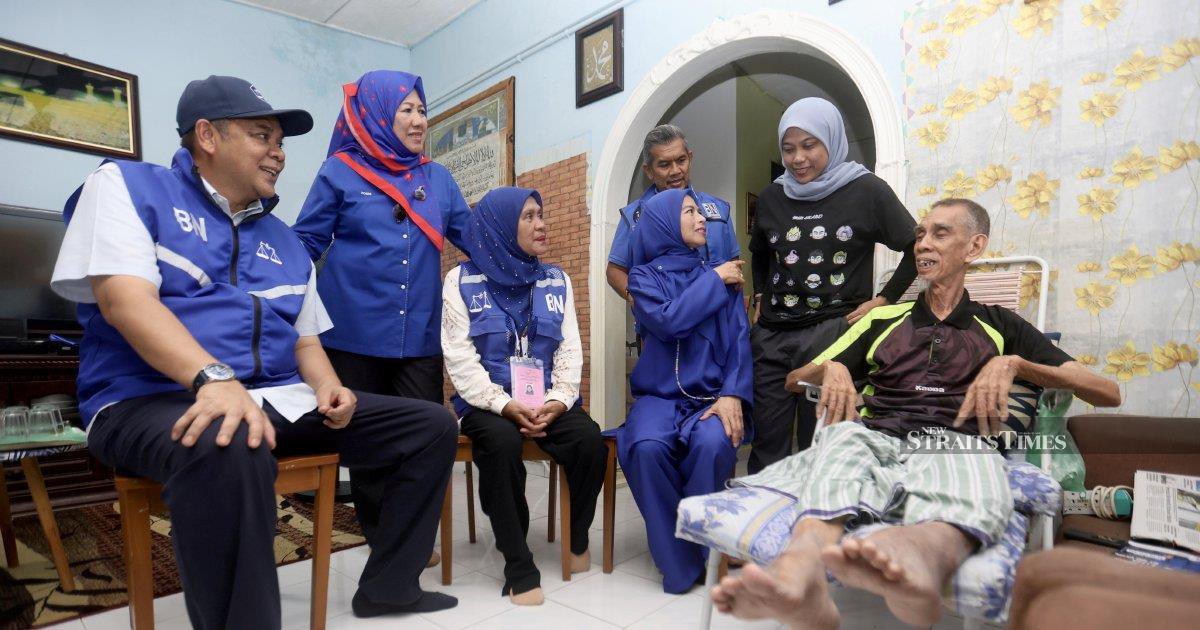
Barisan Nasional is planning to capitalize on its electoral triumph in neighbouring Johor to build momentum in the Negri Sembilan state elections, a strategy centred on translating regional political success into grassroots support. Speaking in Kuala Pilah, Wanita Umno chief Datuk Seri Dr Noraini Ahmad underscored the coalition's confidence in applying the lessons from Johor's decisive results to reverse any headwinds facing the party machinery in Negri Sembilan.
The concept of the "Johor aura" reflects the broader psychological impact that Johor's resounding support for BN had across the peninsula following the November 2023 state elections. That victory, coupled with the coalition's strong showing in the August 2023 general election, restored considerable momentum to a coalition that had been marginalized during the previous administration. The winning formula in Johor—emphasizing governance stability, addressing bread-and-butter concerns, and reconnecting with rural constituencies—represents the template BN believes can be replicated in states like Negri Sembilan.
Negri Sembilan presents a mixed political landscape where BN's dominance is not assured despite historical strongholds. The state has seen shifting voter preferences in recent elections, with competition intensifying from opposition coalitions and pockets of swing voters becoming increasingly crucial to electoral outcomes. By invoking the Johor precedent, BN leadership aims to demonstrate that the coalition remains the competent custodian of state governance and can deliver tangible improvements in living standards, infrastructure, and economic opportunities—the issues that ultimately sway undecided voters.
Datuk Seri Dr Noraini's remarks signal a coordinated messaging strategy across BN components, with Wanita Umno playing a crucial mobilization role in community outreach and grassroots engagement. Women voters constitute a significant portion of the electorate, and their concerns—ranging from cost-of-living pressures to education and healthcare access—align with the economic and social arguments that resonated strongly in Johor. The party machinery is tasked with translating boardroom strategy into concrete engagement with households, particularly in suburbs and towns where the middle class and younger families increasingly hold the balance of power.
The broader context of BN's revival cannot be understated. Following the collapse of the Pakatan Harapan government and the subsequent political turbulence of the Perikatan Nasional era, BN has repositioned itself as the guarantor of institutional continuity and predictable governance. Johor demonstrated that voters, when presented with a genuine choice and a government perceived as delivering results, can swing decisively toward stability. The question facing Negri Sembilan is whether similar conditions exist and whether the coalition's campaign machinery can effectively communicate its achievements and vision.
However, simply invoking Johor's success carries inherent risks. Each state possesses distinct demographic profiles, economic structures, and historical political alignments. Negri Sembilan's voters may prioritize different issues—such as land development in proximity to Kuala Lumpur, integration with the greater Klang Valley economy, or state-level governance challenges specific to the territory. A mechanical application of the Johor playbook without addressing Negri Sembilan's particularities could appear tone-deaf to local concerns and alienate voters who expect tailored solutions rather than generic assurances.
The opposition, meanwhile, will likely seek to counter the "Johor aura" narrative by emphasizing accountability and pointing to any governance gaps or unfulfilled promises. Negri Sembilan has been governed by BN continuously, meaning the coalition cannot escape responsibility for state-level performance. Any deterioration in services, unresolved land disputes, or perception of cronyism in development projects becomes ammunition for opposition campaigning. The psychological advantage of the Johor victory works both ways: it energizes BN supporters but also raises voter expectations for demonstrable delivery.
Regional politics in Malaysia's central corridor are increasingly interconnected, with voters in Negri Sembilan exposed to political currents flowing from Selangor, Kuala Lumpur, and Johor simultaneously. The peninsula's economic integration means that employment, commerce, and family ties transcend state boundaries, making state-level politics a subset of broader national conversations. BN's reliance on the Johor narrative acknowledges this reality—that voters respond to macro-political signals and coalitional strength at the national level, not merely local governance records.
For Wanita Umno specifically, the emphasis on women's engagement through party structures reflects recognition that family-level economic decision-making increasingly influences electoral outcomes. As household budgets tighten and inflation pressures persist, women voters evaluate which political force offers credible solutions to daily struggles. The coalition's pitch is that BN, having stabilized the nation's macro-economic governance and demonstrated capacity in Johor, possesses the competence to deliver state-level prosperity as well. Whether this argument persuades Negri Sembilan voters will depend on how effectively BN translates political narrative into direct engagement addressing community-specific priorities and grievances.

