The image of skin damage conjures thoughts of sunburned tourists lounging on tropical beaches, yet the reality proves far more insidious. Research indicates that approximately 80 percent of visible skin aging originates from cumulative, incidental exposure to ultraviolet radiation during ordinary daily routines—commutes, lunch breaks, and work hours—rather than concentrated beach vacations. For office workers across Malaysia and the region, this finding carries particular weight, as professionals spending eight hours behind a desk may harbour a false sense of security about their skin's wellbeing.
Photoaging, the premature deterioration of skin caused by chronic sun exposure, manifests through a constellation of visible changes: fine lines deepen into wrinkles, melanin distribution becomes uneven, and hyperpigmentation creates stubborn dark spots that prove difficult to reverse. The cumulative nature of this damage means that a seemingly benign pattern—working by a sunlit window, taking a brief outdoor lunch, running errands in overcast conditions—progressively compromises skin integrity across decades. Many professionals incorrectly assume that hazy skies, brief outdoor exposure, or remaining indoors provides adequate protection, yet dermatological evidence contradicts this assumption.
A particularly overlooked source of cellular damage comes from high-energy visible light, commonly known as blue light. Estimates suggest that approximately 25 percent of oxidative cellular damage results from HEV blue light exposure, the spectrum emitted by laptop screens, smartphones, and fluorescent office lighting. This revelation proves especially relevant for the growing population of remote and office-based workers throughout Malaysia and Southeast Asia, who accumulate significant blue light exposure during working hours. Unlike ultraviolet radiation, which triggers immediate sun protection awareness, blue light exposure occurs silently and cumulatively, making it particularly insidious.
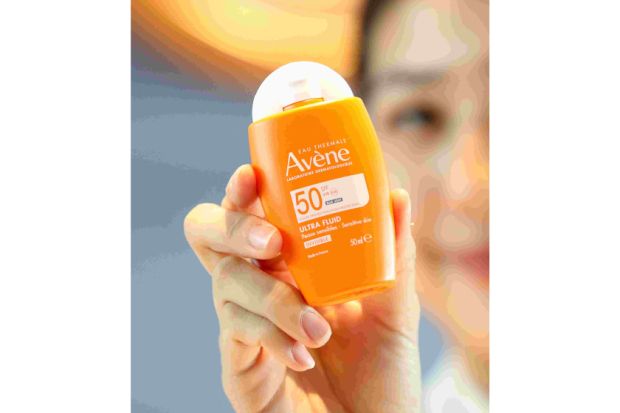
Recognising these modern lifestyle challenges, skincare manufacturers have begun reformulating sun protection products to address everyday exposure rather than holiday-specific needs. Eau Thermale Avene, a dermatologically-focused brand, recently introduced its Ultra Fluid Range at an experiential launch event in July 2026, presenting four sunscreen formulations designed for varied skincare requirements. The launch reflects a broader industry shift toward positioning daily sun protection as essential preventative healthcare rather than seasonal necessity.
At the event, Cristiana Irimescu, Asia export business director for Pierre Fabre Singapore Pte Ltd, articulated how contemporary suncare formulations resolve a persistent consumer dilemma. For decades, individuals faced a choice between investing in skin health and maintaining cosmetic appeal—sunscreens traditionally left residue, appeared ghostly white on application, or felt heavy and uncomfortable under makeup. This friction discouraged consistent daily application, undermining the protective benefits these products could provide. Modern formulation advances now eliminate these trade-offs, making daily protection practical for diverse lifestyles and skin types.
Dr Syairah Nadia Mohamad, chief executive officer of Radiant Clinique, reinforced the necessity of treating sun protection as a non-negotiable daily practice. She emphasised that skin cannot distinguish between outdoor sunny days and indoor workdays—cellular damage accumulates regardless of whether exposure occurs in sunlight or through ambient rays filtering through windows and glass. This perspective fundamentally challenges conventional wisdom that ties sun protection exclusively to visible sunshine and outdoor activities. For the Malaysian professional maintaining an air-conditioned office routine, this insight carries immediate practical relevance.
The Eau Thermale Avene range centres on the brand's TriAsorB filter system, an advanced broad-spectrum formulation engineered to shield facial skin from both UVA and UVB radiation whilst extending protection to encompass high-energy visible blue light. This multi-threat approach addresses the contemporary exposure profile of modern workers exposed to diverse optical hazards throughout their day. The filter technology maintains the skin's natural condition and barrier function whilst neutralising environmental stressors that trigger premature aging.
Formulation quality distinguishes these products within an increasingly crowded market. The range adheres to rigorously clean ingredient standards, excluding silicones, alcohols, and controversial chemical filters that provoke sensitivity concerns among consumers with reactive skin. This restraint reflects growing consumer preference for minimalist, dermatologically-rational skincare rather than complex formulations laden with questionable additives. For Malaysian consumers with diverse skin sensitivities, particularly those prone to heat-related irritation in the tropical climate, this clean formulation approach offers genuine advantage.
A critical innovation embedded within the Ultra Fluid Range involves texture and absorption speed. These formulations deliver twice the lightness of conventional sunscreens whilst achieving complete absorption in approximately one second, eliminating the heavy, sticky, or chalky residue that historically discouraged daily application. The ultra-fluid texture integrates seamlessly under makeup, allowing users to maintain cosmetic preferences without compromising protective coverage. This practical consideration proves essential for consistent compliance—products that feel comfortable become habits, whilst uncomfortable products generate avoidance despite understanding their benefits.
The range offers four distinct formulations acknowledging that skincare requirements and daily schedules vary substantially among individuals. This differentiation reflects evidence-based dermatology recognising that one-size-fits-all approaches undermine adherence and efficacy. Whether addressing oily, sensitive, combination, or dry skin types, variant options permit consumers to select products matching their specific needs, increasing the likelihood of sustained daily usage.
For Malaysian readers navigating tropical humidity, intense midday sun, and increasingly sedentary office-based work, these developments carry particular significance. The combination of environmental exposure and modern indoor hazards creates a protective challenge that traditional sunscreen approaches inadequately addressed. Contemporary formulations now acknowledge this complex reality, permitting individuals to maintain rigorous skin defence across diverse daily scenarios. The transition from viewing sun protection as vacation-specific to recognising it as essential daily healthcare represents a meaningful evolution in dermatological thinking aligned with contemporary lifestyle realities.
Ultimately, sustained skin health requires acknowledging that damage accumulates gradually through ordinary activities rather than dramatic acute exposure. This understanding encourages integration of protective measures into daily routines as seamlessly as brushing teeth or showering. When protective products feel light, absorb quickly, and integrate easily into existing beauty practices, compliance improves substantially. For professionals across Malaysia concerned with maintaining healthy, youthful skin across decades of working life, this shift toward practical, everyday sun protection strategies offers genuine clinical and lifestyle benefit.

