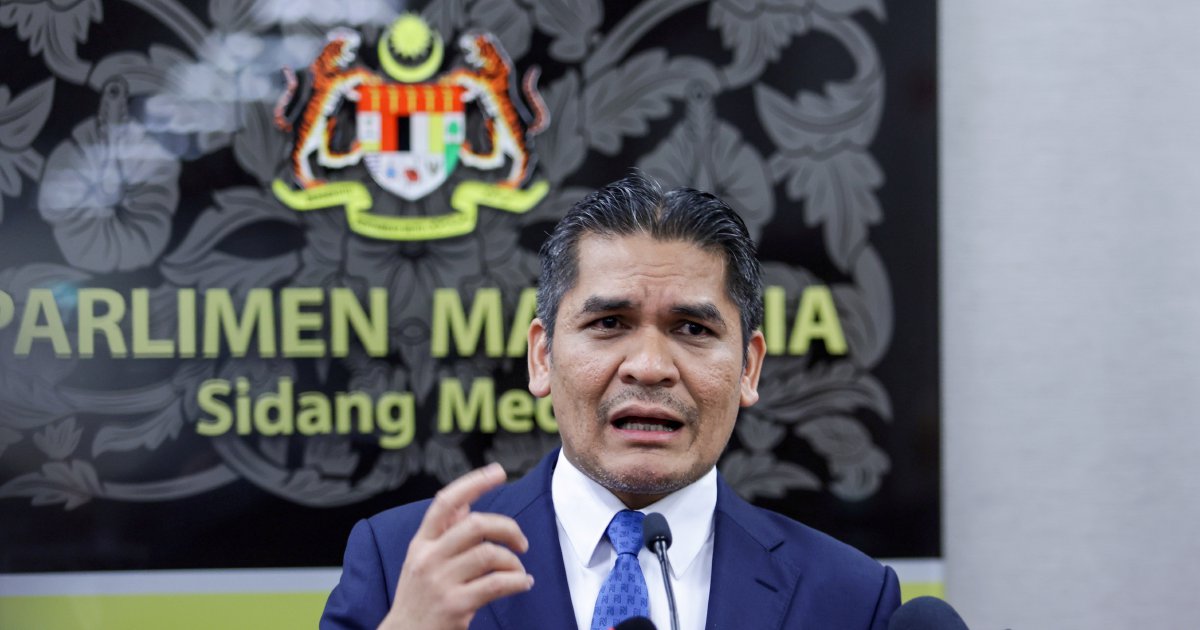
Bersatu's parliamentary members have committed to attending the Dewan Rakyat's special sitting scheduled for today to discuss the Royal Commission of Inquiry findings on Lembaga Tabung Haji, party coordinator Datuk Dr Radzi Jidin announced, signalling the party's willingness to engage with the controversial report rather than abstain from proceedings.
The assurance comes at a critical juncture for the pilgrimage fund, which has faced intense scrutiny following revelations of significant financial mismanagement and investment losses. The RCI, established to investigate governance failures and irregularities at Tabung Haji, has prepared a comprehensive report that lawmakers are expected to scrutinise during the parliamentary sitting.
Bersatu's decision to maintain its parliamentary presence demonstrates a pragmatic approach to a sensitive issue affecting millions of Muslim Malaysians who depend on Tabung Haji for their Hajj pilgrimage savings. The fund serves as a dedicated savings and investment vehicle for Malaysian Muslims preparing for the annual pilgrimage to Mecca, making institutional integrity paramount to the constituency.
The party's stance also reflects broader political considerations within Malaysia's coalition landscape. By committing to attend rather than stage a walkout, Bersatu positions itself as engaged with accountability mechanisms while maintaining its parliamentary influence during debates over governance recommendations and remedial measures.
Tabung Haji's challenges have become emblematic of governance gaps in Malaysia's statutory bodies. Prior investigations and media reports identified investment decisions that resulted in substantial losses, raising questions about internal controls, board oversight, and the fund's strategic direction. The RCI report is expected to detail these lapses and propose reforms to prevent recurrence.
The pilgrimage fund manages approximately RM70 billion in assets from more than 1.5 million contributors, making its financial health a matter of national economic importance beyond its religious significance. Any governance dysfunction directly impacts savings and benefits for this substantial constituency, many of whom are among Malaysia's working-class savers.
Parliamentary discussions on the RCI findings will likely encompass recommendations for structural reforms, accountability measures, and potential leadership changes within Tabung Haji's management. Lawmakers typically use such sittings to air grievances, propose amendments to existing legislation, and demand clarification on implementation timelines for recommendations.
For Malaysian Muslim contributors and their families, the parliamentary deliberation represents a crucial opportunity to ensure that institutional reforms address root causes rather than superficial issues. The credibility of Tabung Haji's operations directly influences public confidence in the fund's ability to facilitate Hajj planning for future generations.
Bersatu's attendance commitment also carries implications for Malaysia's political stability. Coalition partners scrutinise each other's parliamentary conduct, and demonstrating commitment to legislative processes strengthens the narrative of responsible governance within the government alliance.
The RCI report's recommendations may range from enhanced regulatory oversight to criminal referrals for individuals found responsible for financial impropriety. Parliamentary proceedings will determine the legislative and executive pathways forward, making attendance by all coalition members essential for endorsing reform agendas and strengthening institutional credibility.
Beeyond the immediate parliamentary sitting, the Tabung Haji situation underscores broader questions about governance accountability in Malaysia's public institutions. The handling of the RCI report and subsequent reforms may establish precedents for addressing similar challenges in other statutory bodies and government-linked companies.
For Malaysian stakeholders in Southeast Asia's investment landscape, the Tabung Haji recovery demonstrates how governance reforms can restore confidence in regional financial institutions. The manner in which Malaysian policymakers address this challenge may influence perceptions of institutional resilience across the broader investment ecosystem.

