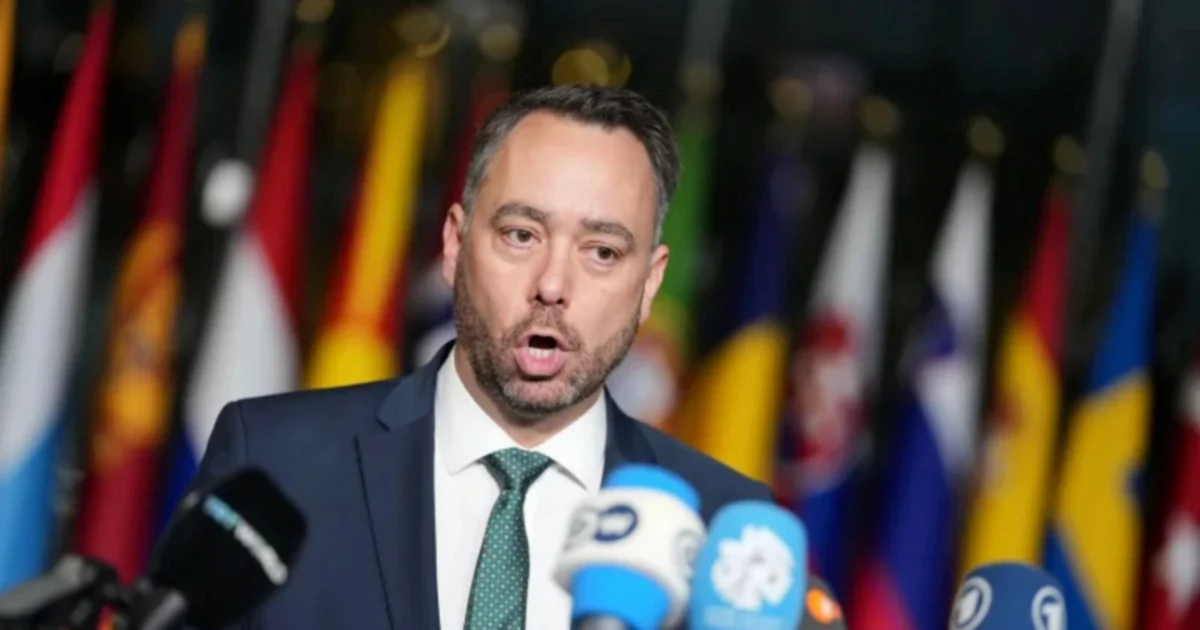
Belgium's Deputy Prime Minister and Minister of Foreign, European Affairs and Development Cooperation Maxime Prevot is set to touch down in Malaysia tomorrow for a focused two-day diplomatic engagement, marking a significant step in bilateral relations between the two nations. The visit will centre on exploring concrete pathways for collaboration in renewable energy, a sector both countries recognise as strategically vital as they navigate the global transition away from fossil fuels and towards sustainable energy systems.
The timing of this high-level visit underscores Europe's growing interest in securing reliable partnerships for the energy transition. Belgium, despite its small size, plays an outsized role in European energy policy and industrial strategy, making it a consequential player in discussions over clean technology and supply chain resilience. For Malaysia, this engagement reflects the country's positioning as both an emerging clean energy investor and a crucial supplier of critical raw materials essential to the green economy.
Renewable energy cooperation stands as the centrepiece of these discussions, a recognition that both nations face parallel pressures to decarbonise their economies while maintaining energy security. Belgium has already committed to ambitious climate targets within the European Union framework, while Malaysia has increasingly integrated renewable capacity into its energy portfolio. The talks are likely to explore technology transfer opportunities, joint investment vehicles, and knowledge-sharing arrangements that could accelerate deployment of solar, wind, and emerging technologies across the region.
Beyond energy, the agenda encompasses rare earth elements, a commodity category that sits at the intersection of geopolitics, economic security, and industrial ambition. These materials are indispensable for manufacturing everything from renewable energy equipment to advanced electronics, yet supply chains remain concentrated in a handful of countries. Belgium's proximity to the European Union's strategic industrial base makes it a natural intermediary for discussions about diversifying and securing access to these elements. Malaysia possesses significant mineral endowments and technical capabilities that could be harnessed to support both regional and European needs, creating mutual economic benefit.
The halal industry component of these talks adds a distinctive dimension to the partnership. Malaysia has established itself as a global centre of halal certification, standards development, and related services, serving Muslim-majority markets across Asia, Africa, and beyond. Belgium, as a European nation with growing Muslim populations and diverse commercial interests in halal-compliant products and services, sees mutual opportunity. These discussions may range from certification frameworks and product standards harmonisation to investment opportunities in halal-certified manufacturing and agribusiness ventures.
From a Malaysian perspective, this visit signals the country's continued relevance as a partner for advanced economies seeking to address contemporary challenges. Rather than remaining confined to commodity exports, Malaysia is positioning itself as a knowledge partner and technology collaborator, particularly in sectors where its capabilities and experience command respect. This requires sustained diplomatic engagement of the type Prevot's visit exemplifies, demonstrating that bilateral relationships extend beyond traditional trade channels into emerging domains.
The geopolitical dimension cannot be overlooked. Belgium's visit comes at a moment when European nations are actively reshaping supply chains and trade relationships following disruptions and shifting global power dynamics. Malaysia's strategic location within Southeast Asia, its established trade infrastructure, and its sophisticated domestic industries make it a valuable partner in Europe's effort to build more resilient and diversified economic relationships beyond its traditional Atlantic-focused partnerships.
These talks also provide an opportunity to discuss broader sustainable development frameworks. Belgium's extensive experience in development cooperation, reflected in its ministerial portfolio, suggests that conversations may extend to how renewable energy projects and industrial development can be structured to maximise benefits for communities in both countries and across developing markets where bilateral partnerships operate. This could encompass concessional financing mechanisms, technical assistance programmes, and capacity building initiatives.
For Malaysian stakeholders in the renewable energy, minerals, and halal sectors, this visit represents potential conduits to European markets, investment capital, and technological partnerships. It signals openness from a major European player to engage seriously with Malaysian capabilities and aspirations. The outcomes, whether formal agreements or informal understandings, could shape sectoral development trajectories over coming years, particularly as Malaysia seeks to balance economic growth with environmental sustainability and increasingly positions itself as a solutions provider for global challenges rather than merely a resource supplier.

