Barisan Nasional is preparing to overhaul how it allocates constituencies among its member parties for the Negeri Sembilan state election on August 1, moving away from the long-standing practice of reserving specific seats for particular components. The announcement signals a significant tactical recalibration as BN seeks to maximise its performance in a state that has proven increasingly competitive in recent electoral cycles.
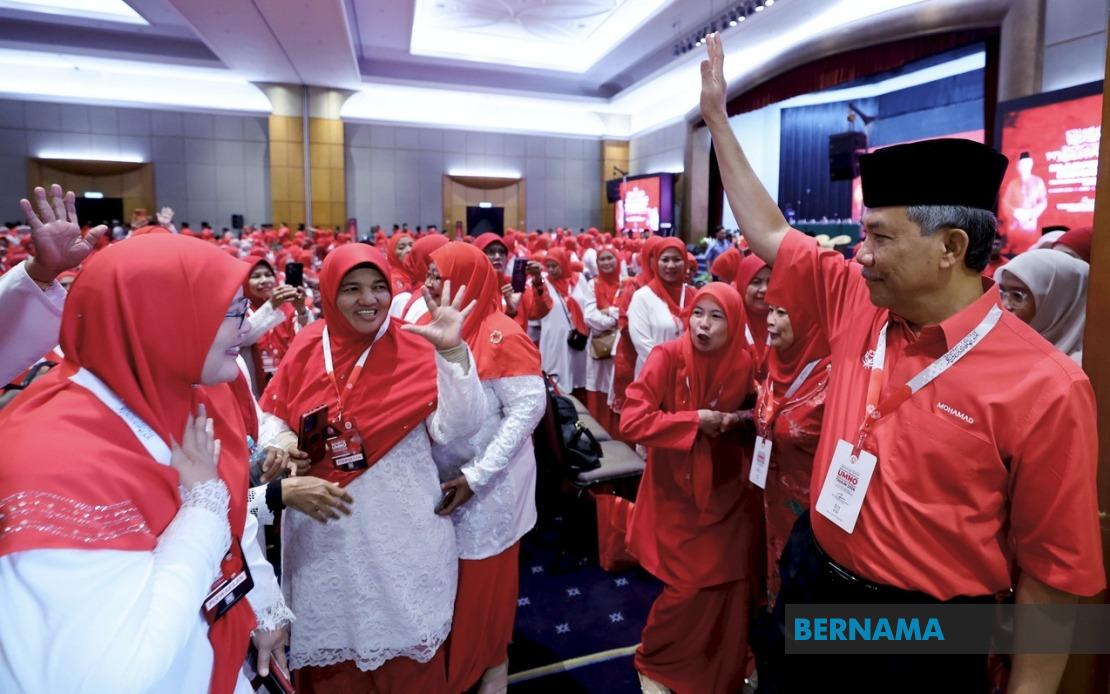
Mohamad Hasan, serving as both deputy chairman of BN and chairman of its Negeri Sembilan division, laid out the rationale for this departure from precedent during remarks at a party gathering in Seremban. The core issue driving the shift is that voter composition across the state's constituencies has undergone substantial transformation, rendering the traditional seat-sharing arrangement increasingly obsolete. Rather than maintain an inflexible system where predetermined parties contest predetermined seats, BN leadership recognises that demographic and electoral patterns demand greater flexibility and strategic repositioning.
The proposed system would allow each BN component party to nominate candidates for constituencies where they believe they possess competitive advantages and where recent voting trends suggest stronger resonance with the electorate. This represents a marked departure from the longstanding convention wherein constituencies were essentially pre-allocated to specific parties regardless of changing circumstances. Mohamad characterised the old approach as restrictive, noting that it not only limited the space available for components to manoeuvre strategically but also denied voters genuine choice among qualified candidates from different parties.
Underlying this strategic reassessment is recognition that seat-switching arrangements can potentially yield superior electoral outcomes. If a particular party's performance in a given constituency has deteriorated substantially, Mohamad reasoned, there is little merit in maintaining that arrangement indefinitely. By permitting components to contest fresh constituencies where organisational strength and voter sentiment align more favourably, BN aims to field stronger candidate slates overall and recover ground potentially surrendered to opposition parties in previous contests.
BN's methodology for implementing this restructuring draws upon empirical analysis of recent election results and demographic studies. Party officials will examine voting patterns and population composition shifts across all constituencies before recommending the final allocation. This data-driven approach acknowledges that Malaysian electoral geography continues evolving, particularly in urban and semi-urban areas experiencing migration and demographic transformation. The coalition recognises that strategies effective a decade ago may not translate to current conditions.
However, ultimate authority over seat allocation remains centralised. Individual division heads have been instructed to submit candidate lists through established procedures, with each division required to propose at least three candidates per contested seat. These recommendations flow upward to the BN Supreme Council at the national level, which will make final determinations regarding seat distribution among components and candidate selections. This hierarchical approval process ensures that any redesign reflects broader strategic considerations beyond individual division interests.
The compressed timeline for implementation underscores the urgency surrounding these preparations. BN announced intentions to unveil its full candidate roster on July 15 when formally launching its election machinery, leaving only weeks to complete the complex process of negotiating seat allocations among member parties, settling inter-party disputes over desirable constituencies, and finalising candidate selections. The Election Commission's nomination deadline of July 18 provides absolute finality to these deliberations.
Mohamad specifically cautioned BN components against allowing internal disputes to undermine coalition unity in the campaign period ahead. Past elections have demonstrated that internal sabotage—whereby disgruntled party members or factions undermine official candidates—has cost BN several seats that might otherwise have been retained. This warning reflects institutional memory of campaigns damaged by factional conflict and suggests that harmonious implementation of the new seat-sharing arrangement remains far from guaranteed, particularly if components view the allocation as inequitable.
The question of Mohamad's personal electoral participation remains unresolved despite his public stance on strategic recalibration. He has represented the Rantau state seat since 2004, making it one of the longer-held positions within BN's Negeri Sembilan structure. While not categorically ruling out defending this seat, he indicated that party leadership will ultimately determine whether his seat allocation remains unchanged or whether he contests a different constituency as part of the broader realignment. This ambiguity itself signals that no seat is immune from reconsideration.
The shift toward flexibility in seat allocation reflects evolving realities within Malaysian state politics. Negeri Sembilan has become a battleground where BN's historic dominance faces genuine challenge, rendering old assumptions about safe seats and automatic allocations increasingly untenable. Opposition parties have demonstrated capacity to mobilise voters across multiple constituencies, forcing BN to adopt more dynamic strategies. The decision to prioritise electoral viability over traditional party entitlements represents pragmatic acknowledgment that coalitional politics in Malaysia's competitive environment demands continuous tactical adjustment.
For opposition parties monitoring BN's internal restructuring, the realignment presents both opportunities and complications. While opposition strategists can anticipate greater fluidity in BN candidate placement and potentially clearer signals of party vulnerability in specific constituencies, the coalition's willingness to shuffle allocations may ultimately strengthen overall performance by positioning stronger candidates in winnable seats. The outcome will depend largely on whether BN's internal negotiations proceed smoothly or whether component parties clash over desirable constituencies during the allocation process.

