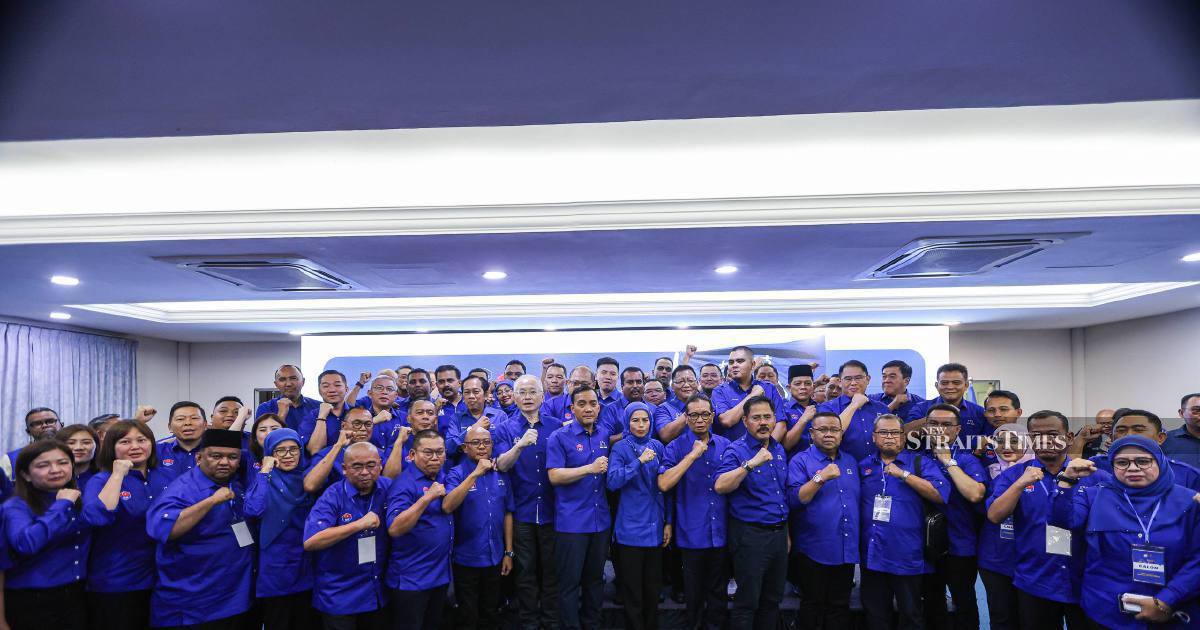
Barisan Nasional has formally introduced its comprehensive slate of 56 candidates for the forthcoming Johor state election, marking a critical juncture in the political coalition's efforts to consolidate power in Malaysia's second-largest state by land area. The announcement represents the culmination of weeks of internal negotiations and deliberations within the BN machinery, as the ruling coalition seeks to defend its traditional stronghold while navigating a complex political landscape shaped by evolving voter preferences and demographic shifts. The July 11 election will be closely scrutinized not only as a bellwether for state-level governance but also as an indicator of the broader coalition's electoral prospects heading into potential federal-level political developments.
The unveiling of the full candidate roster signals BN's confidence in its organizational capacity and its assessment of electoral viability across the 56 contested constituencies. This comprehensive field deployment reflects the coalition's commitment to compete aggressively in both traditional heartland areas and emerging urban centres where demographic transitions have created new competitive dynamics. The decision to field a full complement of candidates demonstrates that BN views the election as an opportunity to validate its governance model and policy achievements in Johor, rather than as a defensive holding operation in a subset of winnable seats.
Johor holds particular strategic significance within Malaysia's political architecture. As a state with substantial economic influence, significant population, and considerable natural resources, the outcome of elections in this territory carries implications that extend well beyond state boundaries. The results will influence the trajectory of federal politics, as state governments often serve as testing grounds for policy initiatives and as repositories of political capital that can be mobilized at the national level. BN's performance in Johor will provide concrete data about the viability of its political messaging and the durability of its electoral coalitions in an era characterized by fluid voter allegiances and increasingly sophisticated political competition.
The composition of BN's candidate slate reflects strategic calculations about representation, demographic appeal, and organizational logistics. The coalition has historically drawn its strength from a careful calibration of Malay-Muslim representation through UMNO, coupled with crucial support from component parties representing other communities. The candidate selection process typically involves negotiations that balance factional interests within UMNO, accommodate demands from coalition partners such as MCA and MIC, and address considerations about incumbent performance and grassroots political organizations. These internal dynamics, while often opaque to external observers, fundamentally shape the electoral competitiveness of the party machinery.
The timing of the July 11 election reflects broader constitutional and political circumstances in Johor. State elections are typically held within specific constitutional windows related to the expiration of state assembly terms or through dissolution triggered by political developments at the state or federal level. The specific timing of this election may create particular advantages or disadvantages for different political contestants, depending on factors such as seasonal economic conditions, public sentiment regarding specific policy issues, and the operational readiness of party machinery after periods of political flux or factional competition. The summer timing may influence voter turnout patterns and the salience of particular electoral issues among different demographic groups.
BN's electoral strategy in Johor must contend with a diversified opposition landscape that has evolved substantially over the past decade. The coalition faces competition from Pakatan Harapan parties, which have strengthened their organizational presence in urban and semi-urban constituencies, as well as from other political contestants operating at the state and local levels. This multi-directional political competition requires BN to maintain messaging discipline across diverse voter constituencies while simultaneously managing expectations about acceptable electoral outcomes. The party's campaign apparatus will need to mobilize traditional support networks while demonstrating responsiveness to contemporary political concerns that have emerged in the post-pandemic era.
The candidate announcement process itself functions as a political communication strategy. The timing, venue, and presentation of the full slate communicates messages about party confidence, internal cohesion, and readiness for electoral competition. Media coverage of candidate announcements frequently focuses on symbolic elements such as the prominence of incumbent representatives, the representation of demographic groups, the inclusion of newcomers or rising political figures, and the apparent strength of grassroots organizational networks. These narrative dimensions shape public perception of political parties independently of specific policy platforms or performance records.
For Malaysian readers, particularly those in Johor, the BN candidate slate represents a direct engagement with questions about state governance priorities, resource allocation, and representation. Voters will evaluate candidates based on their track records in constituency service, their positions on state-specific issues such as infrastructure development or environmental management, and their apparent connection to local communities. The quality and profile of individual candidates often matters as much as broader party considerations in determining electoral outcomes at the state level, where voters may prioritize local accountability and responsive governance over national political messaging.
The implications of the Johor election extend into Southeast Asian regional considerations, as Malaysia's internal political stability influences the broader geopolitical environment. State-level elections in major Malaysian states such as Johor affect the internal dynamics of ASEAN members and can influence Malaysia's engagement with regional partners and international relationships. Political outcomes in Johor therefore carry significance that transcends internal Malaysian politics, connecting state-level electoral processes to regional stability and inter-state relations.
Looking ahead, the BN campaign will require integrating its candidate strengths with coherent messaging about state governance achievements and future policy direction. The coalition will need to articulate a compelling vision for Johor's development that resonates with voters across different economic circumstances and geographical locations. Success in the July 11 election would reinforce BN's position as a governing entity capable of delivering electoral victories while maintaining coalition stability, whereas electoral setbacks would prompt strategic recalibrations within the broader coalition structure and raise questions about the viability of traditional BN political models in contemporary Malaysian conditions.