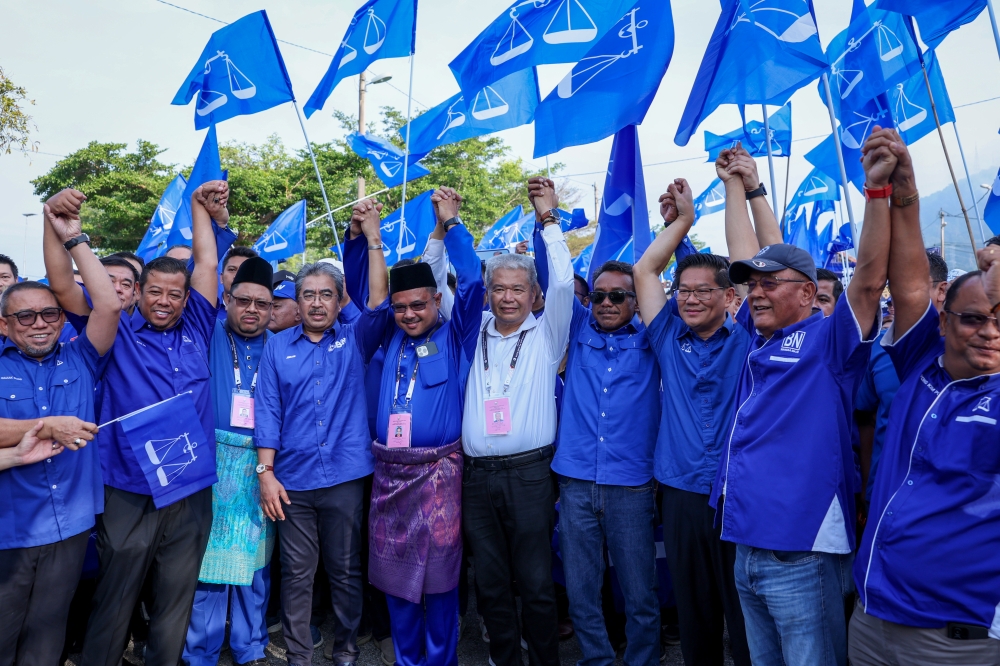
The Barisan Nasional coalition has committed itself to running a respectful and substantive campaign in Negeri Sembilan's upcoming state election, according to a senior Umno official. The pledge reflects a broader attempt by Malaysia's traditional ruling coalition to recalibrate its political messaging as it seeks to consolidate support across the diverse electorate in the central peninsula state.
At a campaign event in Tampin on July 18, an Umno vice-president underscored the party's intention to focus the election contest on governance issues, development agendas, and the ability of candidates to serve their constituents effectively. This stated commitment to civil discourse represents an effort to differentiate BN from what it characterises as more divisive political tactics employed by opposing coalitions, potentially resonating with voters fatigued by heated partisan rhetoric.
The emphasis on civil conduct carries particular significance in Negeri Sembilan, a state with a reputation as a political bellwether within Malaysia's electoral landscape. The state's mixed demographic composition, encompassing both urban and rural constituencies, demands coalition-building skills and inclusive messaging. BN's pivot toward substantive debate rather than personality-driven attacks aligns with this reality and suggests the party recognises that Negeri Sembilan's voters increasingly reward parties capable of articulating coherent policy platforms.
For Malaysian politics more broadly, this pronouncement signals an internal evolution within Umno and its BN partners regarding campaign methodology. Over the past two general elections, Malaysian voters have demonstrated growing intolerance for what they perceive as destructive, divisive campaigning. The 2022 general election and subsequent state contests revealed that electorate fragmentation partly reflected voter disapproval of negative campaigning tactics. By repositioning BN's campaign strategy in Negeri Sembilan, the coalition may be testing whether a return to issue-based contestation can rebuild voter confidence.
The articulation of campaign principles also matters within BN's internal dynamics. Umno, as the dominant component of the coalition, using its vice-president to announce campaign standards sends a disciplinary signal to party members and allied parties. This helps establish parameters for candidate behaviour and media engagement, potentially preventing the kind of uncontrolled rhetoric that has damaged BN's image in previous contests. The hierarchical nature of such announcements reflects traditional party management structures within Malaysia's political establishment.
Negeri Sembilan's electoral context makes these commitments strategically important. The state government remains in BN's hands, but with majorities that have narrowed in successive contests as opposition coalitions have strengthened their organisational capacity. Holding the state requires BN to consolidate existing support while persuading swing voters that the coalition remains the more competent and trustworthy administrator. Civil, focused campaigning on bread-and-butter issues—infrastructure development, education provision, healthcare accessibility, economic opportunities—appeals to this critical middle ground.
The opposition coalitions in Malaysian politics have themselves experimented with varying campaign intensities. Pakatan Harapan and Perikatan Nasional have occasionally emphasised institutional accountability and anti-corruption messaging. BN's decision to emphasise civility and substantive debate positions it as a stabilising alternative, particularly appealing to business communities, professionals, and middle-class constituencies concerned with predictable governance and economic management.
Regionally, Malaysia's political evolution toward more measured campaign discourse has watched by observers across Southeast Asia. Indonesia, Thailand, and the Philippines all grapple with questions about whether electoral systems can function effectively when campaigns become excessively personalised or inflammatory. BN's stated commitment to civil conduct in Negeri Sembilan contributes to a regional conversation about maintaining democratic space while upholding institutional integrity.
The practical implementation of such pledges, however, often diverges from public announcements. Campaign discipline requires consistent messaging from hundreds of party members operating in numerous constituencies. Social media environments enable rapid dissemination of content that may contradict official party positions. Monitoring compliance and managing maverick candidates present ongoing challenges for any large political organisation attempting to maintain unified campaign standards.
Looking forward, BN's demonstrated willingness to articulate and defend civil campaign standards may strengthen its appeal among demographic groups previously gravitating toward opposition parties. Younger, urban voters increasingly seek alternatives to personalised, conflict-driven politics. If BN can credibly execute a campaign emphasising competence, service delivery, and respectful disagreement, the coalition potentially recovers ground lost to more fractionalised opposition blocs that sometimes struggle with internal coherence.
The Negeri Sembilan campaign will serve as a testing ground for whether Malaysian voters genuinely reward civil conduct and whether BN can sustain such standards across the entire contest period. The state's importance as a political indicator means that campaign dynamics and voter responses there will receive close attention from analysts monitoring broader trends in Malaysian electoral politics and coalition formations.

