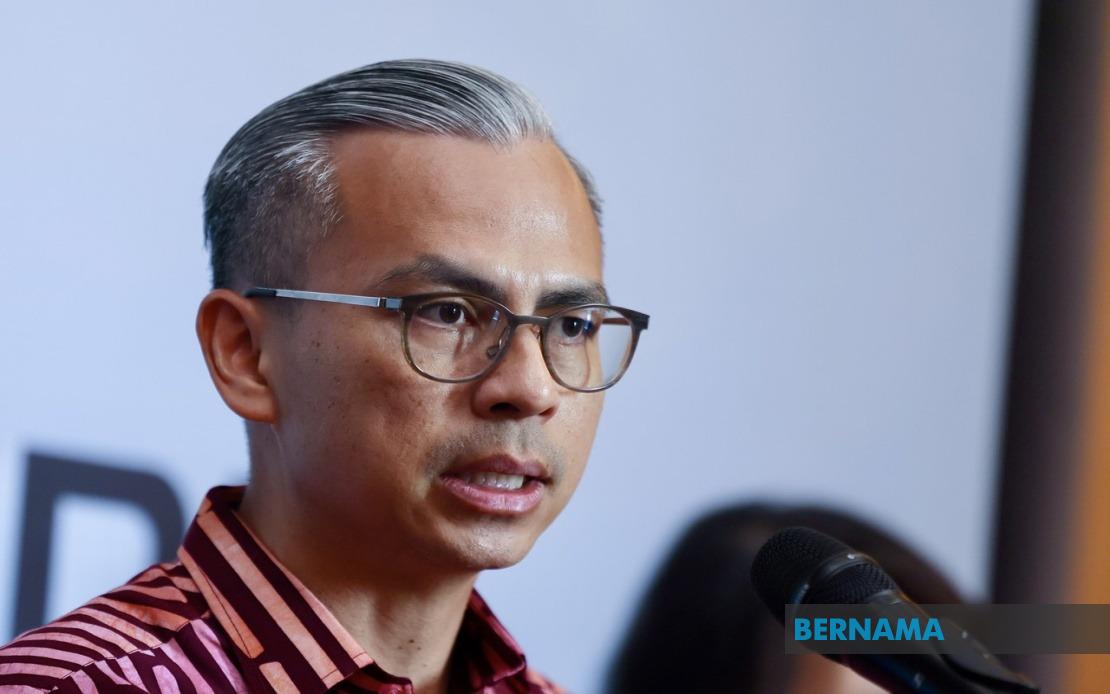
Bank customers across Malaysia who continue to encounter RM1 charges when withdrawing cash from interbank ATMs should immediately report the matter to Bank Negara Malaysia, according to Communications Minister Datuk Fahmi Fadzil. The MADANI Government spokesman made the announcement at his ministry's weekly press conference in Kuala Lumpur, signalling that regulatory authorities stand ready to pursue enforcement action against any financial institution that fails to honour the newly implemented fee waiver scheme.
The RM1 interbank ATM withdrawal fee has been eliminated effective from July 1, marking a significant development in the Malaysian banking landscape aimed at improving consumer convenience and reducing transaction costs for everyday banking activities. The initiative represents a coordinated effort between Bank Negara Malaysia and the banking sector to streamline cash access across the financial system. Fahmi's directive to customers serves as both a public reminder of their consumer rights and a warning to banks that compliance will be monitored and violations will face consequences.
Clarity on the scope of the fee waiver has become essential following confusion among consumers regarding which ATMs are actually covered by the arrangement. According to Fahmi's clarification, the RM1 charge elimination applies exclusively to automated teller machines that are owned and operated by banks participating in the shared ATM network infrastructure. This distinction is crucial for customers to understand, as it determines whether they will incur fees when conducting interbank transactions. The shared network system allows cardholders to access funds from any participating bank's machine without penalty, fundamentally changing the economics of cash withdrawal across different financial institutions.
The fee waiver currently extends to approximately 84 per cent of all bank-owned ATMs nationwide, translating to nearly 16,000 machines where customers can withdraw funds without the RM1 surcharge. This substantial coverage demonstrates the banking sector's commitment to implementing the policy and represents a meaningful expansion of fee-free access points for Malaysian consumers. The extensive participation reflects coordination among major financial institutions and a recognition that customer experience and financial inclusion objectives align with the broader strategic direction set by policymakers.
However, the remaining 16 per cent of ATMs operating under different arrangements continue to levy the RM1 withdrawal fee. These machines are operated by non-bank private companies that maintain separate commercial agreements independent of the shared network system. Fahmi emphasized that these third-party operators are not subject to the same fee waiver requirements, creating a two-tier ATM landscape that consumers must navigate carefully. Understanding this distinction prevents unnecessary frustration and helps customers plan their cash withdrawals more strategically.
To navigate this dual system effectively, Fahmi advised customers to identify participating bank-owned ATMs by examining the bank logos clearly displayed on the machines themselves. This simple visual cue provides immediate guidance on whether a particular machine offers fee-free transactions. By relying on branding rather than location or other factors, customers can make informed decisions about where to conduct their withdrawals. This straightforward guidance aims to minimize the information asymmetry that has generated public confusion on social media platforms since the policy's announcement.
The clarification issued by Communications Ministry officials emerged in response to widespread public enquiries on social media regarding implementation details and coverage specifics. The volume of questions highlighted the need for clear, accessible communication about which ATMs fall under the new arrangement. The government's proactive response demonstrates recognition that policy effectiveness depends not merely on regulatory directives but on genuine public understanding of how the system operates in practice. This consumer-focused approach reflects the MADANI Government's emphasis on transparency in policy implementation.
Industry bodies are preparing comprehensive guidance to support smooth implementation across the financial system. The Association of Banks in Malaysia and the Malaysian Islamic Banking and Financial Institutions Association are expected to issue a joint statement shortly, providing detailed specifications and operational procedures for the fee waiver scheme. This coordinated communication from banking sector representatives will complement government announcements and help ensure consistent application across all participating institutions. The anticipated joint statement signals industry buy-in and commitment to making the policy work effectively for consumers.
Beyond the ATM fee development, Fahmi highlighted a separate foreign investment announcement underscoring Malaysia's growing appeal as a fintech and digital innovation destination. An international financial technology company has established a Global Development Centre at Tun Razak Exchange, representing the organization's first such facility in Malaysia. This investment carries particular significance for emerging technologies including Agentic AI, positioning Malaysia within the global frontier of artificial intelligence development. The decision to locate this centre in Malaysia reflects confidence in the country's institutional environment and growth trajectory.
Fahmi attributed the investment decision to enhanced investor confidence stemming from political stability and consistent economic policies under the MADANI Government framework. The establishment of a Global Development Centre represents a substantial commitment by international financial technology firms and demonstrates recognition of Malaysia's competitive advantages in the regional economy. Such investments create high-value employment opportunities, facilitate technology transfer, and strengthen Malaysia's ecosystem for digital innovation. The minister characterized this development as validation of the government's reform agenda and its success in creating conditions attractive to sophisticated global investors.
The convergence of these announcements—consumer protection through ATM fee waiver implementation and substantial foreign investment in digital financial innovation—illustrates the MADANI Government's multifaceted approach to financial sector modernization. While the ATM fee initiative addresses immediate consumer welfare concerns, the fintech investment signals Malaysia's ambitions in next-generation financial technology. Together, these developments suggest a government strategy balancing near-term consumer benefits with long-term positioning in global digital finance markets. For Malaysian customers and the broader economy, this dual focus offers both immediate practical relief and longer-term prospects for sophisticated financial services development and employment creation.

