%22%2F%3E%3C%2Fpattern%3E%3C%2Fdefs%3E%3Crect%20width%3D%22100%25%22%20height%3D%22100%25%22%20fill%3D%22url(%23ph5dmx3g)%22%2F%3E%3Crect%20width%3D%22100%25%22%20height%3D%22100%25%22%20fill%3D%22url(%23ph5dmx3p)%22%2F%3E%3Ctext%20x%3D%2250%25%22%20y%3D%2250%25%22%20text-anchor%3D%22middle%22%20dominant-baseline%3D%22central%22%20fill%3D%22rgba(255%2C255%2C255%2C0.95)%22%20font-family%3D%22Georgia%2C%20'Times%20New%20Roman'%2C%20serif%22%20font-weight%3D%22700%22%20font-size%3D%22136%22%20letter-spacing%3D%22-0.02em%22%3EBangladesh%3C%2Ftext%3E%3C%2Fsvg%3E)
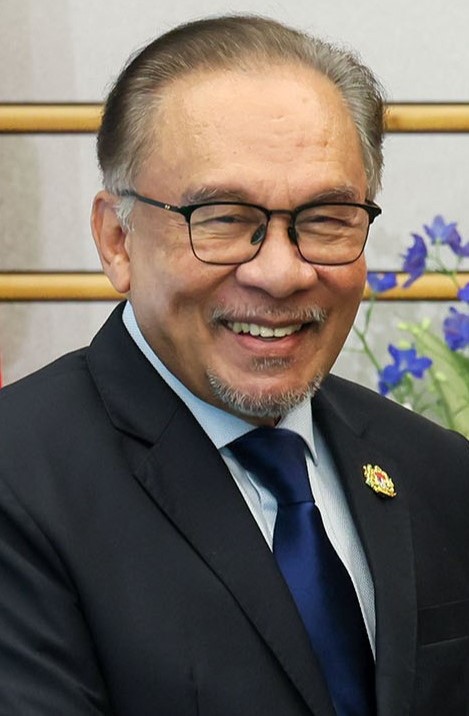
Bangladesh is moving to deepen its engagement with ASEAN and position itself as a more integrated regional player, with Prime Minister Tarique Rahman announcing the country's aspiration to become an ASEAN Sectoral Dialogue Partner during official talks in Putrajaya. The statement, made alongside Malaysia's Prime Minister Datuk Seri Anwar Ibrahim, reflects Dhaka's strategic pivot toward Southeast Asia and signals its readiness to participate more actively in the region's institutional frameworks and economic architecture.
Rahman's expressed interest in joining the Regional Comprehensive Economic Partnership underscores Bangladesh's recognition that participation in the region's major trade mechanism could unlock significant opportunities for its garment, textile, and manufacturing sectors. The RCEP, which encompasses the ten ASEAN member states plus China, Japan, South Korea, Australia, and New Zealand, represents the world's largest regional trade bloc by GDP. For Bangladesh, currently outside the agreement, membership would provide preferential access to markets worth trillions of dollars and strengthen supply chain integration with major Asian economies.
The diplomatic initiative comes as bilateral relations between Dhaka and Kuala Lumpur have matured considerably. Both governments formalised their commitment through the signing of a Memorandum of Understanding on Cultural Cooperation and two Exchanges of Notes addressing counter-terrorism research and investment promotion. These instruments represent more than symbolic gestures; they establish operational frameworks for concrete cooperation in areas critical to both nations' security and economic development.
Trade data underscores the commercial foundation of these relations. In 2025, bilateral commerce totalled RM12.18 billion, positioning Bangladesh as Malaysia's 28th largest trading partner globally and its second-most significant partner within South Asia after India. Malaysia's exports to Bangladesh reached RM10.08 billion, heavily weighted toward petroleum products that feed Bangladesh's energy-intensive industrial base. This export dominance reflects Malaysia's role as a crucial energy supplier to Bangladesh's growing manufacturing economy, a relationship that has become increasingly important as Bangladeshi industries expand their production capacities.
Bangladesh's reciprocal trade flows reveal the complementarity of the two economies. Imports from Bangladesh totalled RM2.10 billion, comprising textiles, apparel, and footwear—sectors where Bangladesh has built world-leading expertise and cost competitiveness. This import composition illustrates how Malaysian consumers and businesses rely on Bangladeshi production, particularly in fashion and footwear industries where the country has established itself as a major regional supplier. The trade balance reflects broader economic patterns in which Malaysia supplies raw materials and energy while Bangladesh provides labour-intensive manufactured goods.
Rahman's emphasis on Malaysia's support for Bangladesh's regional integration efforts carries particular weight given Malaysia's own prominent role within ASEAN and its influence over the bloc's engagement with emerging partners. The backing of a major regional economy like Malaysia significantly strengthens Bangladesh's case for enhanced ASEAN participation and signals to other member states that Bangladesh's integration could benefit the entire region. This endorsement matters because ASEAN consensus-based decision-making requires buy-in from established players.
Bangladesh's pursuit of ASEAN dialogue partnership status represents a measured approach to regional engagement. Rather than seeking full membership—which would entail complex geopolitical implications given Bangladesh's position in South Asia—the dialogue partner framework offers meaningful participation in ASEAN discussions while maintaining flexibility in the country's broader foreign policy orientation. This positioning allows Bangladesh to benefit from ASEAN cooperation without the institutional constraints of membership.
The broader context involves Bangladesh's strategic challenge of balancing its South Asian identity with growing Southeast Asian economic opportunities. As a nation of over 170 million people with a rapidly industrialising economy, Bangladesh faces geographical constraints that have historically oriented it toward Indian subcontinent markets. However, demographic shifts, rising wages, and China's manufacturing relocation patterns have made Southeast Asian engagement increasingly valuable. ASEAN markets offer alternatives for Bangladesh's textile and apparel sectors seeking to diversify beyond traditional buyers.
For Malaysia specifically, deepening ties with Bangladesh serves multiple interests. Access to Bangladesh's market of 170 million consumers provides growth opportunities for Malaysian services, technology, and consumer goods. Additionally, Bangladesh's strategic location between South and Southeast Asia makes it valuable for Malaysian companies seeking to expand into broader regional supply chains. The investment promotion framework being formalised through the exchange of notes creates clearer pathways for Malaysian firms to establish operations in Bangladesh.
Counter-terrorism cooperation, addressed through the MoU on research, reflects shared security concerns. Bangladesh faces persistent terrorist threats from transnational groups, while Malaysia remains vigilant against radicalisation and militant networks. Formal research cooperation enables intelligence sharing and operational coordination that strengthens both nations' security architecture. This dimension of the relationship extends beyond commerce into the security realm, demonstrating that engagement encompasses the full spectrum of national interests.
Rahman's personal invitation to Prime Minister Anwar to visit Bangladesh signals confidence in the trajectory of bilateral relations and a desire to elevate the political profile of the engagement. High-level visits cement relationships and create opportunities for discussing strategic issues beyond the scope of technical dialogues. Such visits also allow leaders to showcase their respective nations and discuss future cooperation frameworks in less formal settings.
Looking forward, Bangladesh's interest in RCEP membership introduces a complex question for ASEAN. Bringing in a major South Asian economy would expand the bloc's economic weight but also introduce regional diversity that could complicate decision-making. Nonetheless, the economic logic is compelling: Bangladesh's manufacturing capacity, combined with its large consumer market, would enhance the agreement's value to existing members while providing Bangladesh with critical market access. Malaysia's support positions Kuala Lumpur as a key bridge between South and Southeast Asian integration efforts, elevating its diplomatic stature.