Bangladesh Prime Minister Tarique Rahman departed Malaysia on Monday following his first state visit as the country's leader, having secured renewed pledges of cooperation with his Malaysian counterpart Datuk Seri Anwar Ibrahim. The high-level engagement underscores the significance both nations place on their longstanding relationship, which extends beyond traditional diplomatic channels to encompass economic, cultural, and social dimensions that link their populations across diverse sectors.
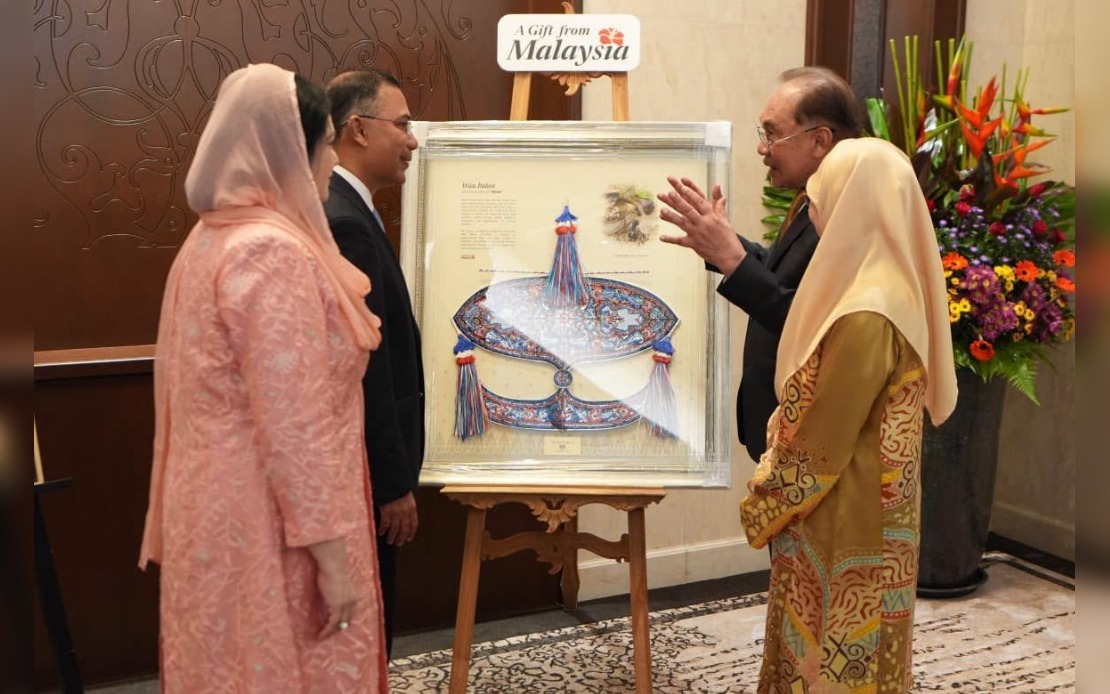
In remarks issued through Bangladesh's Ministry of Foreign Affairs, Tarique expressed profound appreciation for the reception accorded to him and his wife, Dr Zubaida Rahman, during their time in Kuala Lumpur. He specifically acknowledged the hospitality extended by Anwar Ibrahim and his spouse, Datuk Seri Dr Wan Azizah Wan Ismail, characterising the warmth of their welcome as emblematic of the broader friendship between the two nations. The reciprocal expressions of goodwill suggest a positive trajectory for future diplomatic and substantive engagements between Dhaka and Kuala Lumpur.
The bilateral discussions held during the visit reaffirmed what both leaders describe as enduring bonds that transcend conventional state-to-state relations. Rather than limiting engagement to traditional foreign policy instruments, the conversations highlighted a shared commitment to collaborative progress that benefits both populations. This approach reflects a growing recognition in Southeast Asia and South Asia that sustainable partnerships require foundations rooted in mutual prosperity and shared regional objectives rather than transactional arrangements alone.
Tarique drew explicit historical parallels to earlier periods of Bangladesh-Malaysia cooperation, invoking the legacies of his father, Shaheed President Ziaur Rahman, and his mother, Begum Khaleda Zia, both of whom held high office in Bangladesh during formative decades. This reference carries particular weight in regional diplomatic circles, suggesting that contemporary bilateral relations build upon institutional memory and established frameworks developed over multiple generations of leadership. The invocation of family political history also underscores the personal investment the current Bangladesh premier brings to the relationship, signalling continuity in foreign policy orientation despite periodic transitions in governmental structures.
Beyond exchanges with the Prime Minister, Tarique also met with His Majesty Sultan Ibrahim, King of Malaysia, during his state visit. Royal-level engagement in bilateral visits traditionally signals the highest level of diplomatic importance and respect between nations. The Malaysian monarchy's participation in receiving the Bangladesh premier demonstrates the institutional significance Malaysia attributes to the relationship, as such meetings are typically reserved for state visitors of particular strategic or cultural significance to the kingdom.
The emphasis on people-to-people connectivity evident in Tarique's remarks reflects contemporary diplomatic trends across Southeast Asia, where governmental leaders increasingly recognise that sustainable bilateral relationships require broad-based support and engagement among ordinary citizens. Bangladesh and Malaysia share significant cultural and religious commonalities, as well as overlapping economic interests in maritime trade, labour migration, and investment flows. These underlying connections provide a foundation upon which governments can build official cooperation frameworks that enjoy legitimacy among their respective publics.
For Malaysia, engagement with Bangladesh holds particular relevance given the latter's status as a major demographic and economic power in South Asia, with over 170 million inhabitants and a rapidly developing manufacturing sector. Strengthening ties with Dhaka positions Kuala Lumpur to benefit from expanded trade opportunities and deeper regional integration initiatives. Malaysian investors have increasingly turned their attention toward Bangladesh as an alternative investment destination within South Asia, particularly in sectors such as manufacturing, telecommunications, and financial services where both nations share complementary capabilities.
The visit also carries implications for Malaysia's broader regional strategy within ASEAN and its engagement with South Asian partners. As ASEAN nations seek to deepen their connectivity with neighbouring regions, bilateral relationships with major South Asian powers like Bangladesh take on enhanced strategic importance. Malaysian efforts to position itself as a bridge between Southeast and South Asia could benefit substantially from deepened cooperation with Bangladesh across multiple domains, from trade facilitation to cultural exchange programmes.
Bangladesh's approach to strengthening its Malaysian partnership reflects Dhaka's own strategic calculus regarding regional positioning and economic diversification. As Bangladesh continues its development trajectory and seeks greater integration into regional and global value chains, partnerships with established Southeast Asian economies like Malaysia provide valuable templates and opportunities. Malaysian expertise in sectors ranging from Islamic finance to manufacturing excellence offers practical models that Bangladesh policymakers and business communities can adapt to their own contexts.
The emphasis both leaders placed on multilateral cooperation alongside bilateral ties suggests awareness that contemporary challenges—from climate change to supply chain resilience—require coordinated regional responses rather than isolated national action. Malaysia and Bangladesh both participate in various regional forums and initiatives, and deeper bilateral cooperation could translate into enhanced coordination within these multilateral settings. Such alignment might prove particularly valuable in ASEAN-led mechanisms where Malaysia maintains permanent membership and Bangladesh participates as a dialogue partner or observer.
Looking forward, the commitments made during Tarique's visit will likely translate into concrete initiatives spanning trade promotion, educational exchanges, and possibly expanded labour mobility frameworks. Both nations have substantial diaspora communities in each other's territories, suggesting potential for government policies that facilitate continued people-to-people flows while ensuring adequate protections for migrant workers and their families. Institutionalising cooperation mechanisms and establishing regular high-level dialogue channels will prove essential for translating rhetorical commitments into tangible outcomes that benefit both populations.