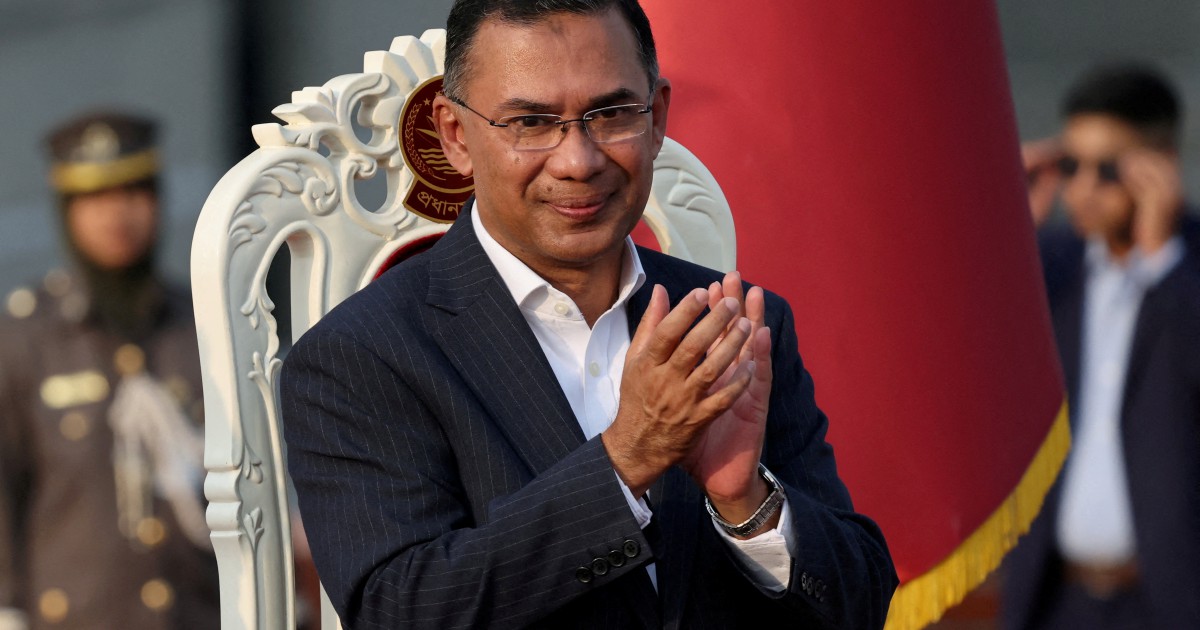
Bangladesh has announced a significant diplomatic condition ahead of any bilateral engagement with India: Prime Minister Tarique Rahman will not undertake an official visit to New Delhi until the Indian government extradites former Bangladesh Prime Minister Sheikh Hasina, who sought refuge across the border following the mass uprising that upended the nation's political landscape in 2024. The statement, delivered on Sunday, signals the interim administration's resolve to pursue accountability for Hasina and reflects the heightened tensions that have characterised Bangladesh-India relations since the dramatic change of government that swept away decades of political entrenchment.
The extradition demand represents a crucial test of bilateral diplomacy at a time when Bangladesh and India are navigating a complex relationship defined by geography, shared history, and competing strategic interests. Hasina's flight to India during the tumultuous period that saw mass protests and a complete upheaval of Bangladesh's governing structures created an immediate diplomatic complication. Rather than allowing the situation to simmer quietly, the new Bangladeshi leadership has placed the issue squarely at the centre of its India policy, making Hasina's return a prerequisite for normalising high-level political interactions. This approach reflects the interim government's need to demonstrate to its domestic constituency that justice will be pursued uncompromisingly against those held responsible for the events that precipitated the upheaval.
The 2024 uprising that forced Hasina from power emerged from widespread discontent with her government's policies and governance, mobilising Bangladeshis across social strata and geographic divides. The movement fundamentally altered the political trajectory of the nation, resulting in a comprehensive transition that brought new leadership and fresh priorities to the fore. Tarique Rahman's assumption of the premiership marked a shift in how Bangladesh intends to conduct its domestic and international affairs. By conditioning his diplomatic visits on extradition matters, the new administration is signalling that it views accountability and justice not merely as domestic imperatives but as foundational to Bangladesh's international relationships.
India's position on the extradition matter remains crucial but complicated. New Delhi has historically maintained close ties with Bangladesh, viewing the nation as strategically important within the South Asian region. However, India also hosts significant diaspora communities and maintains diplomatic protocols that govern asylum and extradition matters. The Indian government has not publicly indicated whether it will accede to Bangladesh's demand, and the legal and diplomatic mechanisms surrounding such an extradition remain unclear. The complexity of India-Bangladesh relations—spanning shared borders, trade relationships, infrastructure projects, and historical ties—suggests that resolving this dispute will require careful negotiation and strategic patience from both capitals.
For Malaysia and other Southeast Asian nations, this diplomatic impasse carries implications for regional stability and the precedent it sets for how countries handle succession disputes and international accountability. The situation underscores how internal political upheavals can rapidly escalate into international incidents that affect broader regional relationships. ASEAN members, which include both Bangladesh and nations engaged with India, are watching how the issue develops, as it touches on principles of sovereignty, justice, and the appropriate mechanisms for addressing political transitions in the region.
The practical implications of the extradition condition are substantial. Bilateral visits by senior government leaders serve multiple functions: they facilitate dialogue on security matters, trade arrangements, border management, and regional cooperation. A prolonged impasse could impede progress on infrastructure projects, flood management agreements, and security cooperation that benefit both nations. Bangladesh's agricultural exports to India, ongoing power trade arrangements, and water-sharing agreements all depend on functional diplomatic relationships maintained through regular high-level contact. The conditioning of such visits effectively places these substantive matters in a holding pattern until the extradition issue is resolved.
The timing of Bangladesh's declaration also reflects the domestic political imperative facing the interim government. The movement that brought down the previous administration carried expectations that accountability would be pursued systematically. Backers of the uprising, diverse though they may be, largely coalesce around the desire to see justice for perceived wrongs and governance failures. By taking this firm stance on Hasina's extradition, Tarique Rahman's administration demonstrates responsiveness to these expectations and signals that it will not downgrade accountability for political convenience or diplomatic expediency.
Historically, India has exercised considerable caution regarding extraditions involving South Asian political figures, often citing humanitarian concerns or the principle of non-refoulement when asylum seekers face potential persecution. Hasina's supporters within India and internationally argue that she faces political persecution and potential danger if returned to Bangladesh. This competing narrative complicates India's decision-making, as accepting the extradition demand would require making assessments about whether Hasina faces genuine threats. Such judgments inherently involve political dimensions that extend beyond straightforward legal analysis.
The unresolved extradition question also affects Bangladesh's internal political narrative. The interim administration must balance its accountability agenda with the practical realities of maintaining viable relationships with major neighbours. Extended estrangement from India carries economic and security costs that Bangladesh cannot easily absorb. Yet abandoning the extradition demand would expose the government to criticism that it has sacrificed justice for diplomatic convenience—a position potentially damaging to its legitimacy among constituencies that supported the 2024 uprising.
Regional observers suggest that resolution will likely emerge through back-channel negotiations rather than public posturing. India and Bangladesh have mechanisms for quiet diplomacy, and leaders from both nations maintain communication channels even during periods of public tension. The extradition demand may ultimately serve as a negotiating position rather than an immovable requirement, with resolution involving face-saving formulations that allow both governments to claim meaningful outcomes while preserving the relationship.
Looking forward, the trajectory of Bangladesh-India relations will depend partly on whether leadership in both capitals can find mechanisms to address accountability concerns while maintaining the pragmatic cooperation that serves mutual interests. The current impasse represents a test of diplomatic sophistication and commitment to long-term stability over short-term political advantage.

