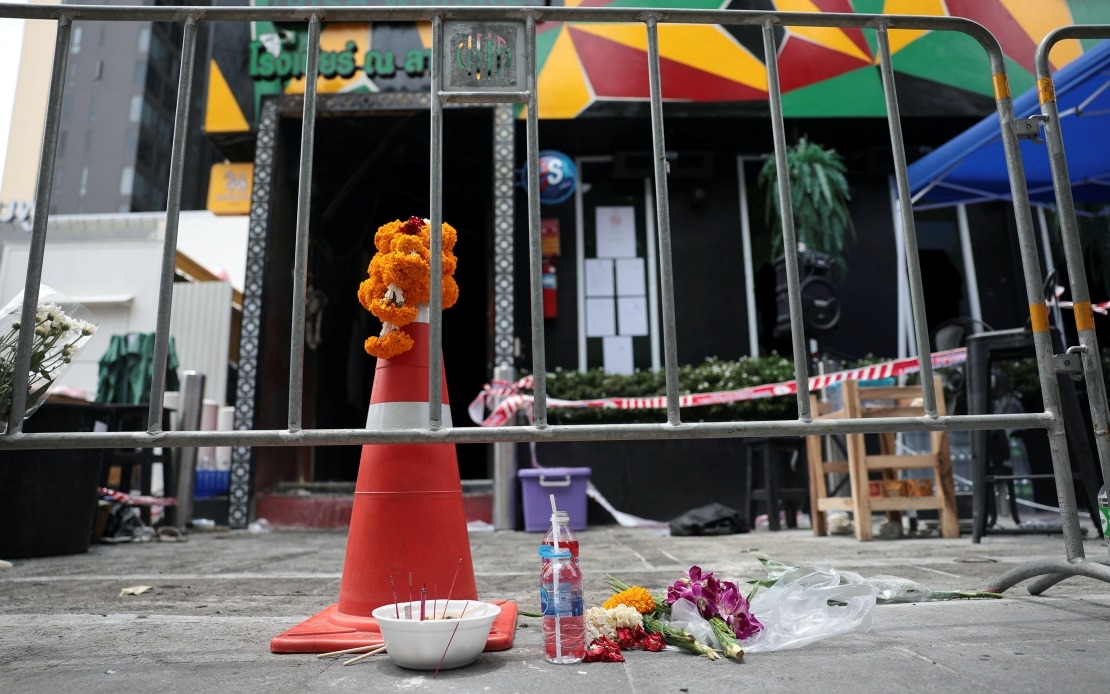
The deadly fire that swept through an entertainment venue in Bangkok's Lat Phrao district in the early hours of Monday has yielded a grim forensic finding: all 33 fatalities resulted from inhaling toxic gases rather than direct burn injuries. Metropolitan Police Bureau Commissioner Police Lieutenant General Sayam Boonsom disclosed the conclusion to journalists on Thursday, marking a significant development in understanding how the catastrophe unfolded.
The toxic culprits identified in the victims' bodies were carbon monoxide and cyanide, compounds whose presence in sufficient concentrations can incapacitate and kill within minutes by preventing tissues from absorbing oxygen. The distinction between dying from burns and from asphyxiation carries profound implications for how authorities assess the fire's progression and the timeline of events that night. It suggests that occupants may have been overwhelmed by fumes before flames could reach them, a scenario that raises critical questions about ventilation, containment, and the rapid spread of toxic smoke through the venue.
Police have completed the preliminary forensic examination of the scene, yet the investigation remains in its substantive phase as detectives pursue multiple lines of inquiry. The focus centres on electrical malfunctions as a potential ignition source, but investigators are equally attentive to a cluster of safety violations and structural infractions that appear to have compounded the disaster. Unauthorised modifications to the building's design, obstructed or inadequate emergency exits, and potentially non-compliant interior materials are all under scrutiny as factors that may have accelerated the spread of toxic smoke and prevented rapid evacuation.
The incident claimed lives on Monday just after midnight, affecting a venue that housed dozens of people during operating hours. Beyond the 33 confirmed deaths, more than 70 others sustained injuries, though the number hospitalised has diminished as treatment progressed. As of Thursday, 14 patients remained in intensive care units, while 44 had been discharged, indicating that many survivors were treated for smoke inhalation, respiratory distress, or related injuries. The survival rates and severity variations among survivors will likely form part of the investigative narrative.
Thailand's law enforcement has not yet filed charges against any individual or entity, but Sayam indicated that the prosecutorial stage approaches. Police are constructing cases around several potential offences, including causing death and injury through negligence, executing unauthorised structural alterations, negligently causing a fire, and violations of entertainment venue regulations. Whether the premises operated beyond the scope of its licence is another question authorities are examining, suggesting possible concerns about capacity, permitted activities, or operating hours.
The breadth of the investigation is evident in the witness interviews already conducted. Police have questioned more than 106 people with knowledge of the venue, its operations, management, or the events of that night. These interviews will be crucial in establishing a timeline, identifying who was responsible for safety compliance, understanding how the building's condition deteriorated, and determining whether warnings had previously been issued regarding the facility. Witness accounts may also clarify the sequence in which toxic gases accumulated and spread throughout the space.
For regional observers, this incident underscores vulnerabilities in entertainment venue safety across Southeast Asia. Bangkok's nightlife economy, substantial and internationally recognised, operates within a regulatory framework that has come under scrutiny in previous disasters. The accumulation of alleged violations—unauthorised building modifications, blocked exits, and possible non-compliance with licensing terms—suggests either lax enforcement, inadequate surprise inspections, or deliberate operator circumvention of safety standards. Malaysia and other neighbouring countries with similar entertainment sectors should examine whether their own oversight mechanisms would detect and prevent comparable hazards.
The presence of both carbon monoxide and cyanide in victims' bodies raises additional concerns about interior materials and furnishings. Cyanide in fire fatalities typically originates from burning synthetic materials such as polyurethane foam, certain plastics, or wool composites commonly used in bar seating, décor, and insulation. This suggests the venue may have contained flammable furnishings that generated exceptionally toxic combustion byproducts, a scenario that competent safety inspectors should identify through material audits. Whether Thailand's building codes and inspections adequately address fire retardancy remains an open question relevant to the region.
The electrical fault hypothesis, while still under investigation, points to another potential systemic gap. Many older entertainment venues across Southeast Asia operate with ageing electrical systems that have never undergone comprehensive safety audits. Overloaded circuits, deteriorating wiring, and inadequate circuit protection can trigger fires, particularly in establishments that add electrical loads—sound systems, lighting, refrigeration—without upgrading infrastructure. If an electrical fault is confirmed as the cause, it will validate concerns about deferred maintenance and cost-cutting measures that proprietors adopt to maximise profitability.
The convergence of a potential ignition source with multiple safety deficiencies—blocked exits, flammable materials, unauthorised modifications—created a perfect storm for mass casualties. Had any single element been remedied, the outcome might have been catastrophically different. This reality weighs heavily on how authorities across the region should recalibrate venue inspections, impose stricter penalties for non-compliance, and mandate regular third-party audits. The 33 deaths in Bangkok serve as a stark reminder that entertainment venue safety is not peripheral to public welfare but foundational to it.
As the investigation progresses and charges are eventually filed, Thailand's judicial system will face the challenge of assigning proportionate accountability. Managers, owners, licensing officials, and inspectors whose actions or inactions contributed to the conditions may all face legal consequences. The case will likely reshape how Bangkok and other Thai cities approach nightlife regulation, establishing precedents that ripple across Southeast Asia. For Malaysian entertainment venue operators and regulators, the Bangkok fire presents an opportunity to audit their own sector and forestall similar tragedies before they occur.

