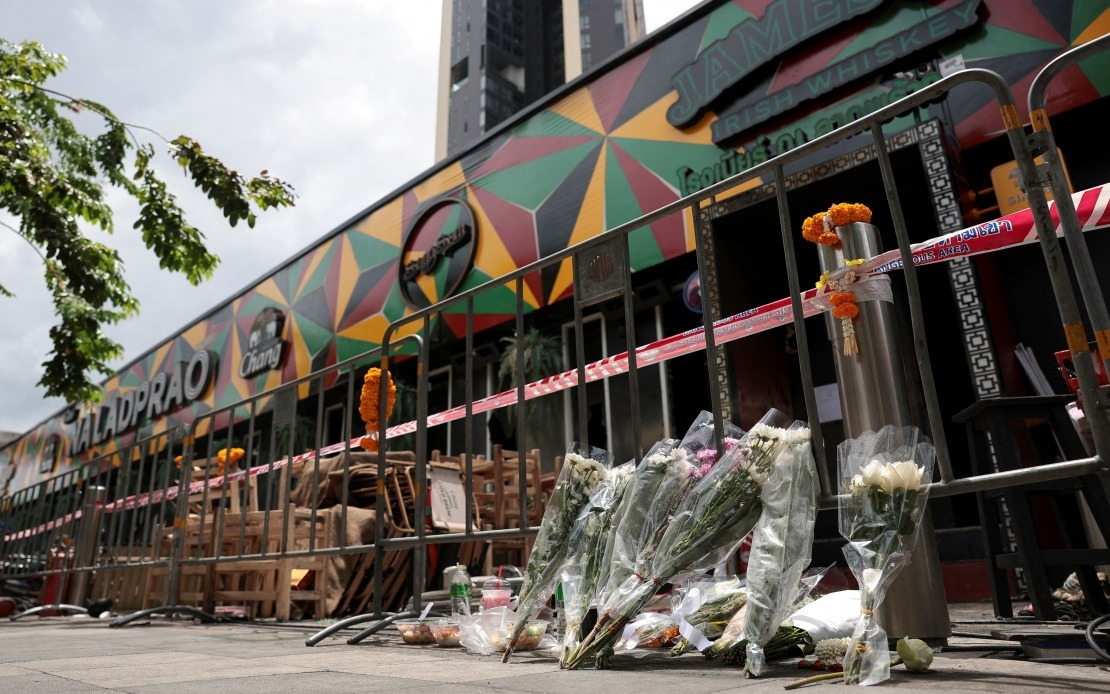
The death toll from a devastating fire that erupted at a Bangkok entertainment venue on Monday night has climbed to 32, following the deaths of two critically injured patients who succumbed to their injuries in hospital, Thai medical authorities confirmed on Wednesday. The Erawan Centre, Bangkok's principal emergency medical provider, reported that both fatalities occurred at separate medical facilities—Paolo Kaset Hospital and Nopparat Rajathanee Hospital—bringing the total number of victims who perished after hospitalisation to five. The escalating casualty count underscores the severity of the disaster and the extent of trauma sustained by those trapped in the blaze.
The fire broke out shortly before midnight on Monday at Rong Beer Na Lat Phrao, identified as an entertainment venue located in Bangkok's Chatuchak district, though initial reports suggested a Lat Phrao district location. The rapid spread of the flames and the apparent difficulty in evacuating patrons highlights persistent safety concerns within Thailand's hospitality sector. As rescue and medical operations continued into the following days, the full extent of injuries became apparent, with 79 people overall receiving treatment following the incident.
Medical authorities provided an updated assessment of patient conditions as of Wednesday morning. Among the 79 injured, 44 had already been discharged from medical care, indicating that many victims sustained injuries ranging from moderate to severe. However, 30 individuals remained hospitalised, presenting a sobering picture of ongoing medical needs. Of particular concern were the 15 patients requiring intensive care unit treatment, suggesting life-threatening injuries including severe burns, smoke inhalation complications, and trauma-related conditions requiring specialised monitoring and intervention.
The investigation into the fire's origins has identified multiple contributing factors that merit urgent scrutiny. Blocked emergency exits represent a critical violation of building safety codes, effectively trapping occupants and preventing rapid evacuation during the emergency. The use of flammable interior materials—common in many entertainment venues throughout Southeast Asia where aesthetic considerations sometimes override safety protocols—would have accelerated the fire's spread and intensified heat and smoke. Electrical faults emerged as another potential ignition source under investigation, highlighting questions about maintenance standards and electrical system inspections.
The disaster has triggered a decisive governmental response aimed at preventing similar incidents across Thailand. Prime Minister Anutin Charnvirakul issued immediate directives on Tuesday instructing the Ministry of Interior to coordinate comprehensive nationwide building inspections. This initiative encompasses entertainment venues specifically, reflecting recognition that such facilities face heightened fire risks due to crowded conditions, limited emergency exits, and operational practices that may prioritise revenue over occupant safety. The scope of inspections was deliberately broadened to include all building types, suggesting official concern that dangerous conditions may be widespread rather than isolated to this single venue.
The coordination structure established for these inspections reflects Thailand's bureaucratic approach to crisis management. The Bangkok Metropolitan Administration, local administrative organisations, the Department of Public Works and Town & Country Planning, and the Royal Thai Police have all been enlisted as partners in this effort. This multi-agency framework, while potentially cumbersome, aims to ensure that inspections achieve reasonable standardisation and that findings translate into enforceable remedial actions. For Malaysian observers, such coordinated responses offer both positive and cautionary lessons about how governments mobilise resources during public safety crises.
The Rong Beer Na Lat Phrao incident carries implications extending beyond Thailand's borders. Throughout Southeast Asia, including Malaysia, entertainment venues operate under varying levels of regulatory oversight and enforcement. Many bars, clubs, and similar establishments in the region share similar characteristics with the Bangkok venue—sometimes crowded spaces with limited emergency egress, interior fittings that may not meet contemporary fire safety standards, and operational cultures that can inadvertently compromise safety. The tragedy serves as a stark reminder of the human consequences when regulatory compliance lapses or when profit considerations override life-safety principles.
The pattern of injuries documented in this fire reflects the typical outcomes of such disasters. Beyond immediate burn injuries from direct flame exposure, smoke inhalation represents a leading cause of morbidity and mortality in enclosed fire incidents. The concentration of patients requiring intensive care indicates that many victims inhaled toxic smoke and suffered severe respiratory trauma. Recovery trajectories for such patients often prove protracted, involving weeks of hospitalisation and ongoing complications including respiratory compromise, secondary infections, and psychological trauma. The five fatalities occurring post-hospitalisation underscore how severe injuries can prove ultimately unsurvivable despite advanced medical intervention.
Regulatory frameworks in Thailand, like those across Southeast Asia, face ongoing challenges in balancing economic interests with safety imperatives. Entertainment venues generate significant employment and tax revenue, creating political pressure to avoid overly stringent regulations that might burden businesses. Yet incidents like this demonstrate the catastrophic costs—human, economic, and reputational—of inadequate enforcement. Insurance claims, legal liability, and damage to Thailand's tourism reputation represent significant financial consequences accompanying the immeasurable human tragedy. Malaysian authorities and industry stakeholders would do well to study this incident's underlying causes and the regulatory responses it has triggered.
The investigation's focus on emergency exit accessibility addresses one of the most preventable aspects of fire disasters. Building codes requiring clearly marked, unobstructed exits and adequate emergency lighting exist precisely to enable rapid evacuation during fires. Yet enforcement often remains inconsistent, particularly when venues operate in contexts where inspectors receive inadequate training, resources, or are subject to informal pressure to overlook violations. The Tuesday directive from the Prime Minister's office, if implemented rigorously, could establish precedent for more vigorous enforcement moving forward, though sustaining such efforts beyond the immediate post-disaster period remains a perennial challenge for governments across the region.
Looking forward, the human cost of this tragedy—32 lives lost, 30 still hospitalised—represents a watershed moment for Thai public safety discourse. Survivor testimony and investigative findings will likely shape legislative proposals addressing entertainment venue safety standards. For Malaysia and other ASEAN nations with comparable hospitality sectors, monitoring Thailand's regulatory responses and implementation outcomes provides valuable case-study material. The Rong Beer Na Lat Phrao fire exemplifies how inadequate fire prevention measures in crowded indoor venues create conditions for mass casualty incidents, and how such events catalyse regulatory change—though ideally, such change should precede tragedy rather than follow it.

