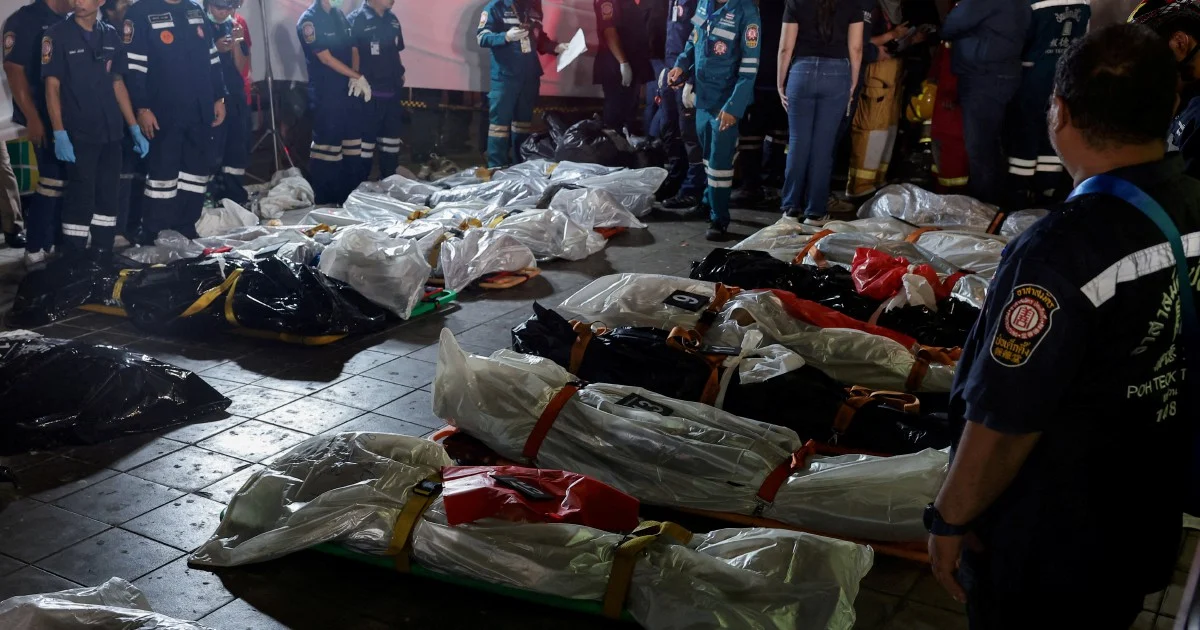
Thailand's Prime Minister Anutin Charnvirakul confirmed that a fire erupting in a Bangkok bar during late Sunday night has claimed the lives of at least 27 individuals, as emergency responders continued their investigation into the blaze.
The incident represents a significant tragedy for Thailand's capital city, highlighting ongoing concerns about safety standards and emergency preparedness in entertainment venues. Bars and nightclubs across Bangkok have long operated in densely packed areas where occupancy often exceeds stated capacities, creating dangerous conditions during emergencies.
When fires break out in such establishments, patrons frequently face challenges in locating exits quickly, particularly if venues lack adequate signage or emergency lighting. The Sunday night fire underscores these persistent vulnerabilities in Bangkok's nightlife sector, where thousands of similar establishments operate nightly across the sprawling metropolis.
The death toll from this incident places it among the most severe fire disasters to affect Thailand in recent memory. Past major incidents, including notable nightclub fires in other Southeast Asian nations, have prompted regional governments to strengthen building codes and safety inspections, yet enforcement remains inconsistent across different jurisdictions and venue types.
Local authorities typically respond to such incidents by launching comprehensive investigations to determine the fire's origin, examining electrical systems, structural integrity, and compliance with safety regulations. Initial findings often reveal combinations of factors—faulty wiring, blocked exits, inadequate fire suppression systems, or structural modifications that circumvented original safety designs.
For Malaysian readers and businesses operating similar venues regionally, this incident serves as a sobering reminder of fire risks endemic to crowded entertainment spaces. Malaysia has experienced its own nightclub and bar fires over the decades, leading to stricter enforcement of the Malaysian Standard MS 1576-2013, which governs fire safety systems in public buildings.
Emergency response capacity differs significantly across Southeast Asian capitals, affecting outcomes during major incidents. Bangkok's fire department resources, while substantial given the city's size and economic importance, face chronic strain from rapid urban expansion and the proliferation of informal entertainment venues in residential areas. Coordination between municipal authorities, fire services, and venue operators remains an ongoing challenge.
The tragedy will likely prompt renewed scrutiny of Bangkok's venue licensing procedures and safety inspection protocols. Thai authorities may face pressure to implement stricter regulations, though enforcement barriers—including corruption, inadequate funding for inspectors, and resistance from business owners—have historically limited the effectiveness of regulatory initiatives in the entertainment sector.
Regionally, this incident reinforces lessons learned from previous disasters across Southeast Asia. The 2008 Terminal 21 mall fire in Bangkok, the numerous nightclub incidents in Ho Chi Minh City and Hanoi, and comparable disasters in Malaysia have collectively demonstrated that economic development must be accompanied by rigorous safety standards and consistent enforcement.
For families of victims and the wider Thai community, the incident represents a moment of national reflection on how entertainment venues balance commercial operations with the fundamental responsibility to protect patrons' lives. Investigations will likely examine whether the establishment had proper permits, functioning fire extinguishers, clear evacuation routes, and trained staff.
The fire's timing—late on a Sunday night—suggests the venue was likely operating at near-maximum capacity, compounding dangers as smoke and flames spread through what may have been multiple interconnected rooms or floors. Survivors' accounts will prove crucial in determining evacuation procedures and identifying any structural elements that prevented escape.
Thailand's government and Bangkok's municipal authorities will face scrutiny regarding their inspection and oversight of thousands of similar establishments throughout the city. International attention to such incidents often translates into temporary crackdowns, yet sustainable improvements require sustained political will and adequate public funding for safety enforcement and fire department capacity.
For Malaysia's hospitality and entertainment sectors, the Bangkok fire provides cautionary perspective on the consequences of neglecting safety standards. Business operators, regulators, and workers must remain vigilant in implementing rigorous fire safety protocols, regular equipment maintenance, and comprehensive staff training—measures that directly protect lives and ultimately serve business interests through reduced liability and improved venue reputation.

