The convergence of haute couture's most prestigious showcase and an unprecedented heatwave across Paris created an intriguing fashion crossroads this season. As the French capital sweltered under relentless temperatures, the world's most photographed celebrities faced an unexpected challenge: how to deliver front-row impact whilst staying comfortable in oppressive heat. The result was a masterclass in sartorial pragmatism, where style evolved not through compromise but through intelligent adaptation and a deeper understanding of luxury's relationship with climate reality.
Paris has long served as the global epicenter for high fashion, where every fabric choice, silhouette decision, and accessory selection carries symbolic weight. This season's conditions, however, forced the industry's biggest names to reconsider fundamental assumptions about what constitutes appropriate attire for couture's most important moments. The sweltering conditions began during the preceding menswear fashion week and intensified as the couture calendar progressed, creating sustained pressure on stylists and designers to find solutions that honoured fashion's traditions whilst acknowledging physical necessity.
Amongst the practical innovations that emerged, lightweight fabrications dominated the week's most successful looks. Silk and its various iterations became the fabric of choice for guests seeking to navigate the heat without sacrificing the tactile luxury that distinguishes couture attendance from ordinary dressing. These materials offered the dual advantage of breathability and sophistication, allowing attendees to maintain their status without resorting to casual or obviously heat-driven compromises. The emphasis on silk signals an important shift in how luxury fashion considers sustainability and seasonality, recognising that elegance need not demand discomfort.
Exposed shoulders evolved from a deliberate style statement into a practical uniform for women navigating the week's schedule. Rather than appearing provocative or calculatedly revealing, the prevalence of bare shoulders across multiple attendees reflected genuine environmental adaptation. Notable guests including Tan Sri Michelle Yeoh embraced understated black designs that incorporated this element whilst maintaining dignity and sophistication. This widespread embrace of shoulder exposure across diverse attendees and stylistic approaches suggests the trend carries lasting influence beyond mere heat-driven necessity, potentially reshaping expectations for formal daytime dressing in warm climates.
The sundress, long associated with leisure and summer informality, underwent a remarkable rehabilitation during Couture Week. Reimagined through high-fashion lenses and rendered in luxurious materials, variations appeared alongside more conventional couture pieces. Priyanka Chopra's scalloped gown exemplified how this traditionally casual silhouette could capture elegance and appropriateness for prestigious events whilst addressing practical climate concerns. The integration of such accessible forms into couture's most exclusive sphere indicates shifting attitudes towards informality within luxury fashion's upper echelons.
Menswear solutions during the week embraced oversized proportions and deliberately relaxed tailoring, with prominent figures such as Bad Bunny and Hudson Williams modeling suits rendered in lighter palettes and constructed without traditional layering. The elimination of shirts beneath suiting, whilst maintaining couture's essential polish, represented perhaps the most radical reimagining of formal masculine dress witnessed during the week. This approach challenges long-standing conventions about what constitutes appropriate menswear formality, suggesting that oversized architecture and breathable construction can deliver authority and sophistication equal to traditionally fitted tailoring.
Amongst the week's attendees, accessories took on heightened importance as styling focal points when clothing options became necessarily simplified for thermal comfort. Songwriter Ejae's choice of a simple black folding fan exemplified how practical items could integrate seamlessly into carefully considered ensembles, adding visual interest and cultural sophistication whilst serving genuine functional purpose. This development resurrects an historical fashion element with particular relevance for Southeast Asian readers, where climate-appropriate accessories have long held cultural significance and aesthetic value.
The week's overwhelming consensus prioritised comfort without sacrificing luxury represented a marked departure from fashion's traditional hierarchy of priorities. Most attendees recognised that elegance derives not from suffering but from intelligent decision-making and quality fabrication. Shorter hemlines offered both ventilation and contemporary styling, whilst minimal layering communicated confidence in one's silhouette and fabric choice rather than suggesting inadequate preparation. This democratisation of practical dressing suggests that future couture weeks, particularly those scheduled during warm seasons, may establish new standards where comfort becomes inseparable from true luxury.
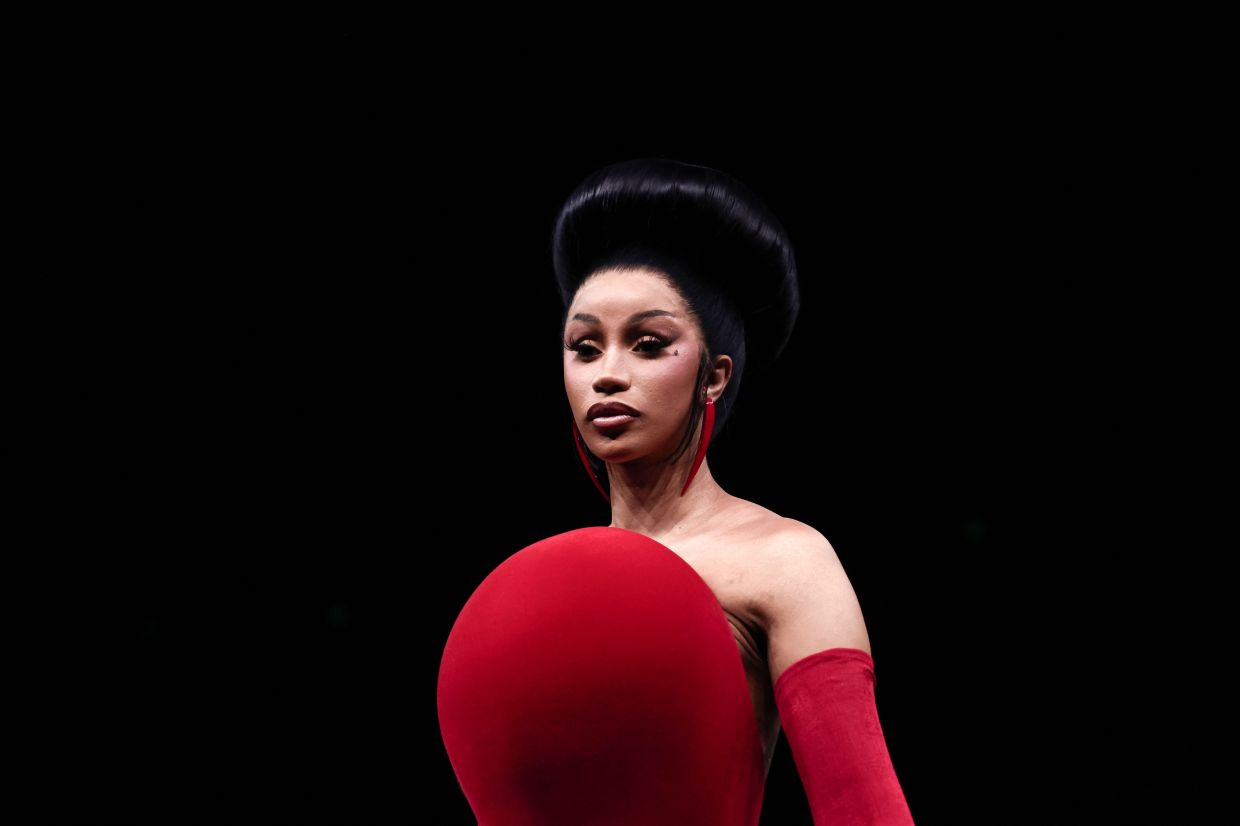
Rapper Cardi B emerged as the week's most notable exception to this trend toward practical elegance. Her commitment to sculptural, exceptionally fitted design represented one of the few genuinely avant-garde statements prioritising fashion spectacle over thermal practicality. This contrast actually strengthened the broader narrative, demonstrating that radical fashion choices remain possible and impactful even as the majority of attendees shift toward climate-conscious dressing. Cardi B's approach suggested that theatrical fashion moments require deliberate sacrifice, making her visible discomfort paradoxically powerful in an environment where others had optimised their comfort.
For Southeast Asian fashion observers and industry professionals, Paris Couture Week's response to extreme heat carries particular relevance. Malaysia and the broader region experience consistently high temperatures and humidity levels, yet formal fashion culture often imports European precedents developed under temperate climates. This season's Parisian adaptations provide valuable validation for locally-developed fashion approaches that privilege breathability, appropriate proportions, and strategic layering suited to tropical conditions. The implicit acknowledgment that comfort enhances rather than diminishes elegance may encourage regional designers and fashion consumers to confidence in indigenous style solutions.
The week ultimately demonstrated that luxury fashion's capacity for evolution remains intact, even within its most traditionally rigid context. Rather than retreating into air-conditioned spaces or abandoning couture's standards, this season's attendees developed sophisticated responses that honoured both climate reality and fashion's essential demands. Lightweight silks, exposed shoulders, relaxed suiting, and strategic accessorising collectively suggest that future fashion weeks, particularly those occurring during warm seasons, will increasingly embrace practical luxury as standard rather than exception. This shift carries implications extending far beyond Paris, potentially reshaping how global fashion institutions approach seasonal dressing and climate-conscious design.

