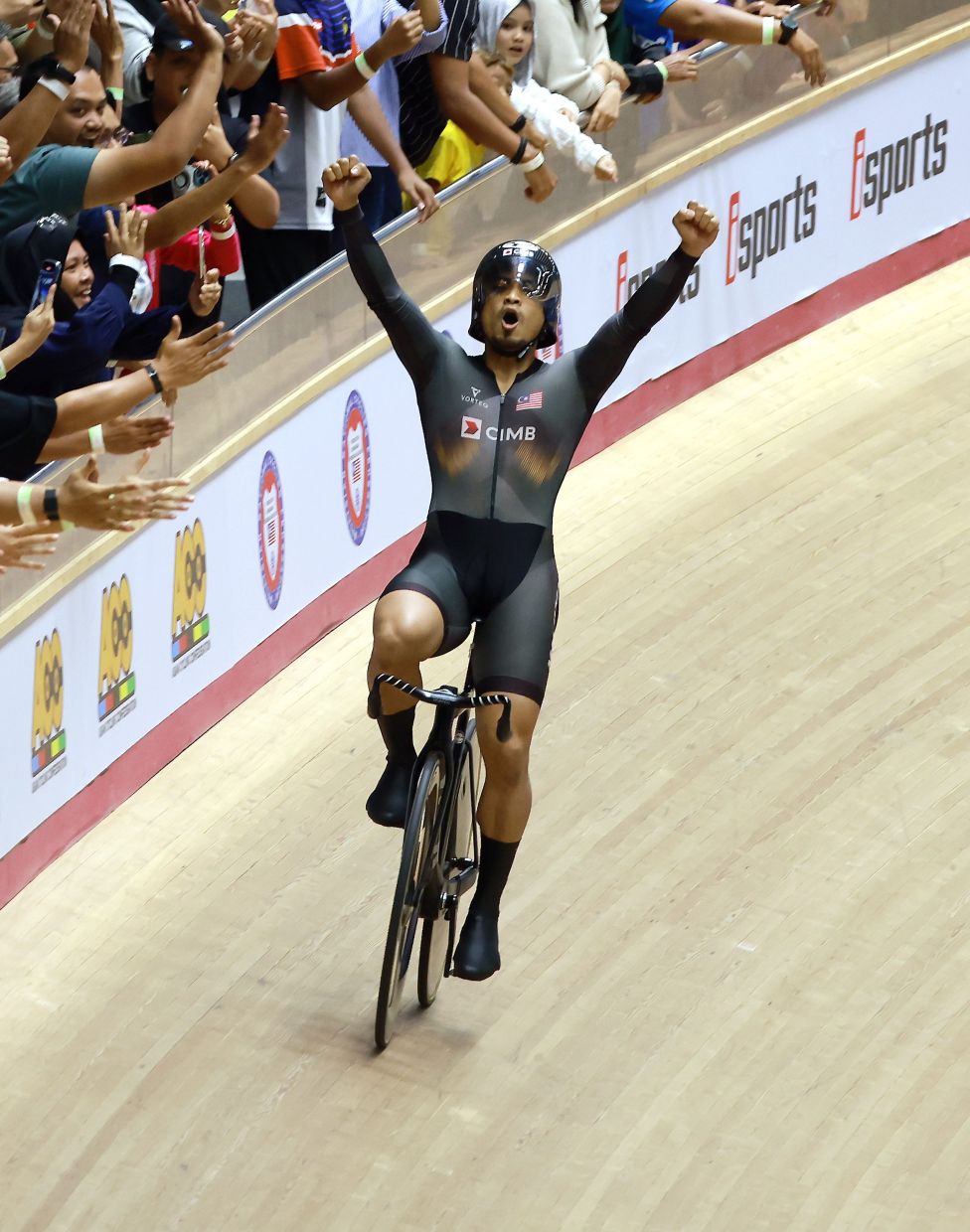
In an emotional moment captured on social media, veteran track cyclist Azizul Awang tearfully confirmed receiving official backing from the National Sports Council (NSC) and Youth and Sports Ministry to pursue his Olympic dream at Los Angeles 2028. The 38-year-old cyclist disclosed that he opened the decisive email from both bodies on Merdeka Day, August 31, while training at the velodrome in Petaling Jaya, marking the end of an anxious period of uncertainty that had consumed the Malaysian cycling fraternity.
The confirmation letter represented a critical turning point for Azizul, who had spent weeks in a state of athletic limbo following the Glasgow Commonwealth Games. During this interval, the psychological toll manifested physically—he described feeling completely disconnected from his body during training sessions, unable to summon the mental fortitude or physical sensation necessary for competitive preparation. This prolonged suspension of official clarity had left him unable to commit fully to the demanding qualification schedule required for Los Angeles, creating a paralysing situation for an athlete accustomed to total dedication.
Azizul's uncertainty stemmed from his earlier declaration that he would only continue his racing career beyond his current phase if the NSC and ministry formally requested his services. Having already indicated his intention to retire from competitive cycling, the legendary keirin world champion required explicit reassurance that his continued efforts aligned with national sporting priorities. Without such confirmation, he faced an impossible decision: invest months in a qualification campaign that might not receive institutional backing, or step away from the sport that had defined his career. The absence of a clear directive from governing bodies created unnecessary friction in what should have been a straightforward selection process.
The situation escalated into a public controversy when Azizul's frustrations spilled onto social media platforms, drawing widespread sympathy from Malaysian netizens. The public response transcended typical sporting discourse—thousands of ordinary Malaysians voiced their support through messages and comments, effectively amplifying Azizul's concerns and creating political pressure on the NSC and Youth and Sports Minister Dr Taufiq Johari. This groundswell of public backing underscored Azizul's standing within Malaysian society as more than merely a talented athlete; he represents a symbol of national pride and sporting perseverance.
The Malaysian National Cycling Federation (MNCF) subsequently disclosed that they had secured official confirmation regarding the ministry's commitment to providing Azizul with comprehensive support for his LA 2028 qualification journey. This announcement from the federation effectively validated Azizul's position and resolved the bureaucratic impasse that had paralysed his preparation. The backing encompasses not merely moral encouragement but concrete resources and institutional commitment necessary for international competition at the highest level.
Azizul's emotional response during the video address revealed the psychological weight he had carried throughout this ordeal. For elite athletes operating at his level, uncertainty about institutional support can be as debilitating as physical injury. The tears of relief captured the release of accumulated tension—the validation that his sacrifice and continued desire to represent Malaysia would be matched by official recognition and support. His candid description of feeling nothing in his legs and mind during the week-long training hiatus illustrated how profoundly mental uncertainty affects athletic performance, even for seasoned professionals.
The resolution carries implications extending beyond individual athlete welfare. The incident exposed gaps in Malaysia's sports administration infrastructure, particularly regarding timely decision-making and clear communication channels between governing bodies and elite athletes. When a decorated international performer like Azizul must resort to public appeals for clarity about his national team status, it suggests systemic inefficiencies in how the NSC and ministry manage athlete relations. For other Malaysian sportspeople contemplating international campaigns, this episode demonstrated both the vulnerability of athletes dependent on administrative decisions and the power of public advocacy in compelling official responses.
Azizul's gratitude toward the Malaysian public who mobilised in his support reflected the genuine connection between this athlete and ordinary Malaysians. His acknowledgment that thousands came forward unbidden, offering encouragement through various channels, underscored how his struggle resonated beyond cycling circles. This groundswell suggested that Malaysians recognise Azizul's contributions to national sporting prestige and remain invested in his continued success at the highest competitive level. His commitment to repay this support by maximising his efforts for the country and his supporters demonstrated the reciprocal nature of athlete-nation relationships.
Looking forward to Los Angeles 2028, Azizul now faces the practical challenge of translating this administrative clarity into competitive preparation. At 38, he operates within a compressed timeline compared to younger athletes planning Olympic campaigns. The years between now and 2028 will determine whether he can maintain the technical excellence and physical conditioning necessary to compete internationally in track cycling. His earlier experience as a keirin world champion provides confidence, but international competition has evolved considerably since his previous peak.
The resolution of this situation positions Malaysia's cycling programme to leverage Azizul's experience and track record for the forthcoming Olympics. His presence in the delegation would strengthen Malaysia's cycling contingent and provide mentorship for younger riders. The certainty now established through official confirmation allows him to structure his training systematically, plan international competition appearances strategically, and synchronise his preparation with other national team priorities.
The broader significance of this episode lies in how it illuminates the relationship between athletic ambition, institutional support, and public advocacy in Malaysian sports. Azizul's case demonstrated that elite athletes cannot function effectively within persistent administrative uncertainty, regardless of their talent and experience. Moving forward, this incident should prompt reflection within the NSC and Youth and Sports Ministry regarding how they communicate with and support national athletes pursuing Olympic dreams. Clear, timely decision-making benefits everyone—athletes can commit fully to preparation, administrators can allocate resources efficiently, and the nation maximises its potential for athletic excellence on the world stage.

