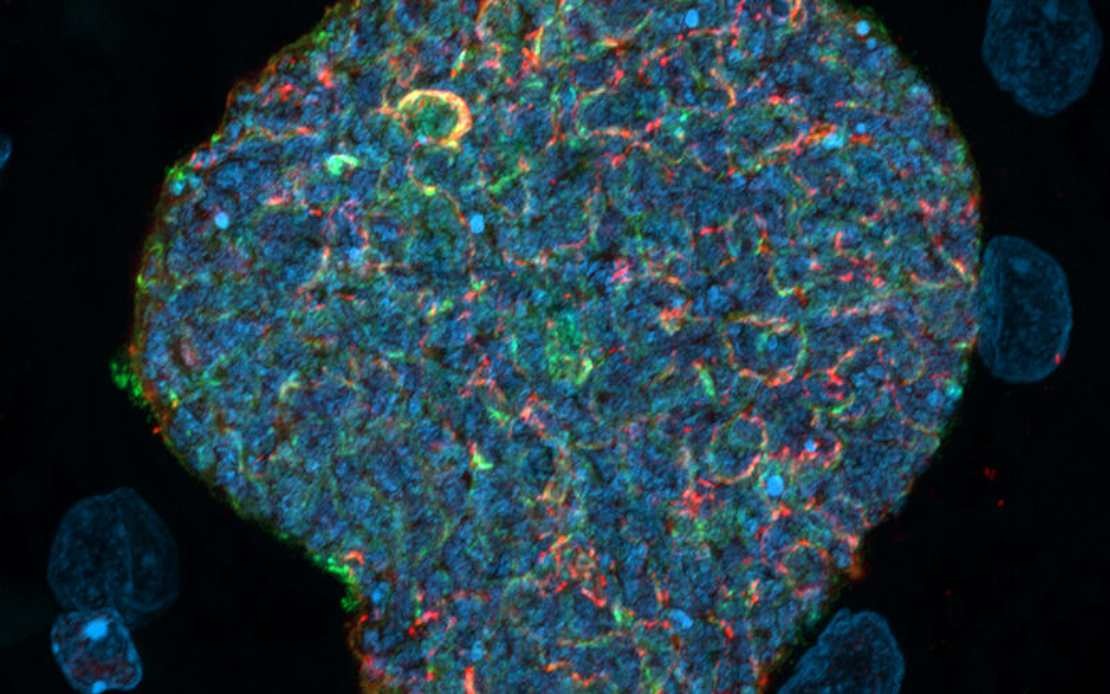
A research team at Australia's Walter and Eliza Hall Institute of Medical Research has unveiled a potentially game-changing approach to malaria prevention that reimagines mosquito bites as a mechanism for building long-term immunity rather than spreading disease. The strategy, detailed in research released Friday, combines initial immunisation with a mechanism that allows subsequent natural mosquito exposures to function as immune boosters, offering a novel pathway to protection in regions where malaria remains endemic.
The gravity of this discovery cannot be overstated given the scale of malaria's burden on global health. The World Health Organisation recorded approximately 610,000 deaths from malaria worldwide in 2024, with Southeast Asia and sub-Saharan Africa bearing disproportionate shares of this mortality. For Malaysia and neighbouring countries in the region, where malaria continues to pose a significant public health challenge particularly in forested and rural areas, such breakthroughs offer genuine hope for improved disease management and prevention strategies.
At the heart of the research lies an elegant immunological principle. Scientists developed an innovative vaccination strategy that pairs mosquito-delivered malaria parasites with experimental antimalarial compounds. These compounds, created jointly by the Walter and Eliza Hall Institute and biopharmaceutical company MSD, possess a remarkable capability: they intercept malaria parasites at a critical juncture in the parasite's life cycle, specifically at the late liver stage before the organisms can enter the bloodstream and establish infection. By halting the parasites at this precise point, the compounds trigger the immune system to mount a vigorous protective response.
The mechanism represents a significant departure from traditional vaccination approaches. Rather than introducing weakened or inactivated pathogens, this strategy allows the immune system to encounter malaria parasites in a controlled manner where they cannot cause disease, yet generate sufficient antigenic material to prime robust immune recognition and response. The resulting immunity demonstrates durability, meaning protection persists over time rather than waning rapidly as occurs with some vaccines.
What distinguishes this approach as genuinely innovative is the concept of natural immune reinforcement. Once the initial vaccination establishes foundational immunity, subsequent mosquito bites in endemic areas would theoretically serve as biological booster shots. Each exposure to malaria-infected mosquitoes would encounter an immune system primed to recognise and eliminate the parasites before they cause symptomatic disease, while simultaneously strengthening and refreshing immune memory. This creates what researchers describe as a "vaccinate and boost naturally" paradigm particularly suited to populations in malaria-endemic regions who face frequent mosquito exposure.
For Southeast Asian countries including Malaysia, where malaria transmission occurs in specific geographic zones and among particular populations, this approach carries substantial practical advantages. The strategy sidesteps the logistical challenges of repeatedly administering booster injections in remote or underserved areas. Instead, natural mosquito exposure in endemic zones becomes therapeutically beneficial rather than purely hazardous, provided baseline immunity from the initial vaccination has been established. This represents a fundamentally different public health model compared to requiring continuous vaccination campaigns.
The research partnership between the Walter and Eliza Hall Institute and MSD reflects the increasingly collaborative nature of global health innovation. MSD's involvement in developing the antimalarial compounds demonstrates how pharmaceutical companies are engaging with academic research institutions to translate fundamental scientific discoveries into potential therapeutic solutions. However, the long-term development pathway remains substantial, as the team has indicated that a long-acting injectable formulation based on these compounds is currently at the preclinical development stage.
The preclinical phase represents an early point in drug development, meaning years of additional testing lie ahead before human trials could commence. Researchers must first conduct extensive laboratory and animal studies to establish safety profiles, optimal dosing, manufacturing feasibility, and confirm that the immunological mechanisms observed in initial studies reliably translate to larger populations. Only after regulatory agencies are satisfied with preclinical evidence would human clinical trials begin, progressing through phases assessing safety and efficacy before potential regulatory approval.
For Malaysia's health infrastructure and regional disease control programmes, the timeline for this technology becoming available is necessarily measured in years rather than months. This reality underscores the importance of maintaining momentum on current malaria control strategies including insecticide-treated bed nets, antimalarial medications, diagnostic testing, and vector control programs. Simultaneously, public health authorities should monitor the development of this technology closely, as successful completion of trials could eventually provide valuable additional tools for malaria elimination efforts.
The discovery also carries implications for how researchers conceptualise the relationship between pathogens and immunity in other infectious diseases. If mosquito-delivered parasites can be transformed from infection vectors into immune priming mechanisms, similar approaches might prove applicable to other vector-borne diseases endemic to Southeast Asia, including dengue fever and Japanese encephalitis. The underlying principle of using controlled pathogen exposure to generate protective immunity while avoiding disease could reshape vaccine development across multiple therapeutic domains.
For populations in malaria-endemic regions across Southeast Asia, maintaining optimism about scientific progress must remain balanced with continued investment in proven prevention strategies. The transition from research discovery to deployed public health tool requires successful navigation of regulatory, manufacturing, distribution, and implementation challenges. Nevertheless, the demonstration that immunological engineering can transform the mosquito bite from a harbinger of infection into a mechanism of protection represents a conceptual and practical advance that justifies sustained attention and development investment.

