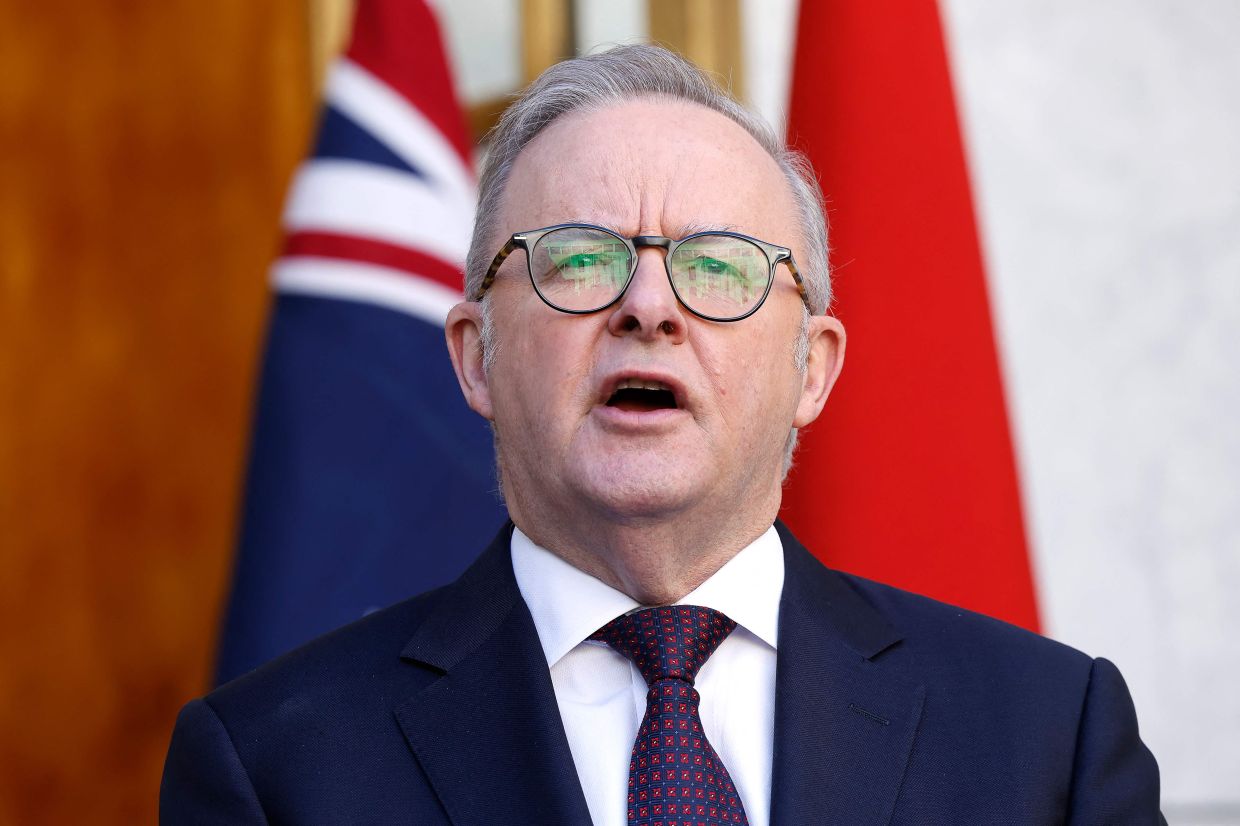
Anthony Albanese, Australia's Prime Minister, has resisted mounting pressure to apologise for remarks he made during a podcast interview that drew criticism from his political opposition this week. The controversy centres on off-colour banter recorded during a conversation with podcast host Nikki Osborne at the Prime Minister's official residence, where Albanese made light of a gift presented to him by Japanese Prime Minister Sanae Takaichi during her official visit to Australia in May.
The incident represents a fresh embarrassment for Albanese, who had already issued an apology weeks earlier following separate comments he made during the same Bush Deep podcast interview in which he used crude language regarding Australian pop star Kylie Minogue. That earlier controversy had already generated significant political heat and negative media coverage. The emergence of the additional comments this week has intensified scrutiny on the Prime Minister's conduct and judgment during the podcast appearance.
During his conversation with Osborne, Albanese described the gift as peculiar, referring to the premium melon as an unusual present. When the host inquired whether Takaichi had managed to transport the fruit through Australian customs restrictions, Albanese responded with what appeared to be innuendo, stating "got a couple of melons". The host then replied by comparing Takaichi's appearance to actress Pamela Anderson, further cementing the derogatory nature of the exchange. The context of these remarks—joking about a luxury gift and making personal observations about the Japanese leader's appearance—has created diplomatic sensitivity.
In Japan, premium melons hold cultural and economic significance quite different from their treatment in Western countries. These fruits are prized luxury items frequently given as high-status gifts during formal occasions and corporate exchanges. Their value can exceed AUS$270, or approximately US$190, per melon according to Japan's former ambassador to Australia. This context elevates the apparent disrespect in Albanese's treatment of what was intended as a thoughtful diplomatic gesture, making the joke appear particularly tone-deaf to those familiar with Japanese gift-giving customs and etiquette.
Australia's opposition leader has seized on the controversy to attack the Prime Minister's fitness for office, characterising the remarks as insulting and calling for a formal apology. The opposition has framed Albanese's conduct as disrespectful behaviour unbecoming of his position and damaging to Australia's bilateral relationship with Japan. During parliamentary proceedings on Tuesday, when asked directly whether he would apologise for his "disrespectful behaviour", Albanese flatly rejected the premise of the question, declining to offer any contrition or clarification.
Albanese's response to the controversy has been combative rather than conciliatory. He asserted that he "rejects the assertion in the question" rather than engaging substantively with the criticism. He then pivoted to defending his personal relationship with the Japanese leader, stating that "Prime Minister Takaichi is a friend of Australia and a friend of mine". This defensive posture has further frustrated critics who view his refusal to acknowledge the inappropriate nature of his comments as dismissive of legitimate concerns about diplomatic protocol and respect for international counterparts.
Australia's Foreign Minister Penny Wong has attempted to manage the diplomatic fallout by characterising Albanese's intentions charitably. Wong stated that "The prime minister has been clear that he did not mean for those comments to be interpreted in the way they have been by those opposite", attributing the controversy to misinterpretation by the opposition rather than genuine malice or disrespect on the Prime Minister's part. This framing seeks to defuse tension by suggesting that the remarks were simply misunderstood rather than inherently problematic, though critics argue this explanation rings hollow given the explicit nature of the banter.
The controversy highlights the challenges facing leaders in the age of podcasts and informal media appearances, where unguarded comments can be recorded and subsequently scrutinised. Unlike formal speeches or press conferences where remarks are carefully vetted, podcast conversations often operate in a more casual register that can lead politicians to adopt a tone or language they might not use in official settings. For Albanese, the cumulative effect of two separate controversies emerging from the same podcast session has created a pattern that extends beyond a single misstep.
For Malaysian and Southeast Asian observers, the incident carries broader implications regarding standards of conduct expected from regional leaders and the importance of diplomatic sensitivity. Japan is a major economic and strategic partner for countries across the region, and any suggestion of disrespect toward Japanese leadership can have ripple effects on bilateral and multilateral relationships. Australia's handling of the controversy will be watched closely, particularly given the importance of the Australia-Japan relationship in regional security architecture and economic cooperation.
The refusal to apologise also reflects broader political calculations about appearing weak or capitulating to opposition pressure. Albanese's team may believe that offering an apology would confirm the opposition's narrative and invite further criticism, preferring instead to maintain a stance that the remarks have been deliberately misconstrued. However, this strategy risks prolonging the controversy and potentially damaging Australia's standing in Japan if Takaichi and her government view the incident as emblematic of insufficient respect from the Australian leadership.

