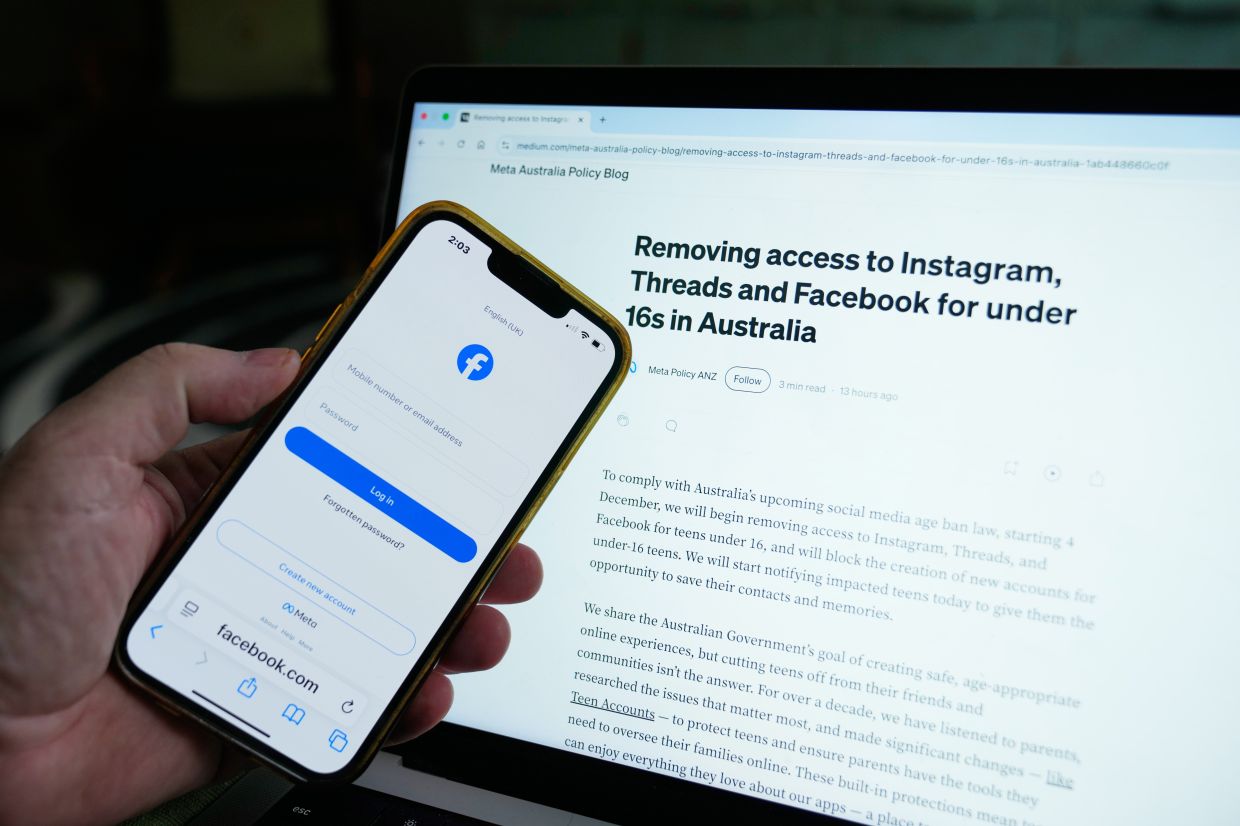
The Australian government's attempt to strengthen enforcement mechanisms for its controversial under-16 social media ban has hit a parliamentary roadblock, with Prime Minister Anthony Albanese expressing frustration over what he characterises as a deliberate stalling tactic by opposition parties. The amendments, introduced to Parliament, sought to expand the investigative powers of Julie Inman Grant, the eSafety Commissioner, enabling her to compel social media platforms to produce documents and detailed information about their compliance efforts with the December 2024 restrictions affecting Facebook, Instagram, YouTube, and nine other major networks.
Currently, the eSafety Commissioner can only request information from platforms on a voluntary basis, a limitation that has arguably undermined enforcement as companies devise strategies to circumvent regulatory scrutiny. The proposed changes would grant Inman Grant authority to demand compliance documentation, a seemingly straightforward strengthening of oversight that has nevertheless become contentious. Under the amended provisions, she could also summon records from third parties, including age verification technology providers, to independently assess whether platforms are truthfully reporting their efforts to prevent underage users from gaining access. These investigative tools are designed to cut through corporate obfuscation and create an auditable trail of compliance efforts.
The Liberal Party opposition and Australian Greens party jointly referred the amendments to an eight-week Senate inquiry on July 2, a move that effectively delays implementation and frustrates government attempts to close enforcement gaps. This is particularly significant because Albanese's Labour government lacks a Senate majority, making it vulnerable to obstruction from consolidated opposition. The Prime Minister's anger centres on a crucial enforcement mechanism: if the amendments had passed immediately, any fines issued by the eSafety Commissioner would date from that passage point, strengthening the legal basis for penalties against non-compliant platforms. The eight-week delay, he argues, creates an opportunity for platforms to systematically delete evidence and communications that might otherwise support enforcement action, thereby degrading the Commissioner's ability to build cases for imposing sanctions.
The amendments also propose doubling the maximum penalty for platform non-compliance to A$99 million, a dramatic increase intended to create meaningful financial consequences for violations. However, this enhancement reveals a stark reality: no platform has yet faced a fine under the existing legislation. Greens Senator David Shoebridge questioned the utility of escalating penalties that have never been deployed, suggesting that regulatory overreach rather than underuse is the actual problem. His criticism reflects broader ideological concerns about the ban itself, which the Greens have consistently opposed, arguing it represents government overreach into digital freedoms and fails to address root causes of online harms affecting young people.
The opposition's criticism takes a different tack. Liberal Senator Sarah Henderson characterises the entire ban as "half-baked" legislation that was hastily drafted and poorly implemented, arguing the proposed amendments are insufficient rather than excessive. She contends that the government rushed the original law through Parliament with inadequate consideration of practical enforcement challenges. This framing attempts to reposition the opposition as serious policy thinkers demanding more rigorous legislative design, even as they simultaneously obstruct strengthening mechanisms that might improve implementation. The appeal to Senate inquiry reflects a calculated strategy: appearing deliberative while actually preventing swift action.
The original legislation passed Parliament in 2024 with overwhelming cross-party support, demonstrating the political salience of child online safety in Australia. The ten targeted platforms were given more than twelve months to restructure their age verification and enforcement systems before the ban took effect. Initial results seemed promising: the government reported that more than 5 million accounts held by children were removed, deactivated, or restricted following the December implementation date. These figures suggested that platforms were responding seriously to the regulatory pressure, investing in technical and operational measures to comply.
Yet subsequent monitoring by the eSafety Commissioner revealed a profoundly troubling picture. By March, nearly seven in ten children who held accounts on restricted platforms when the ban commenced remained active on Facebook, Instagram, Snapchat, and TikTok. This persistence suggests that the initial surge of account removals may have been largely technical housekeeping rather than genuine compliance, and that platforms subsequently developed sophisticated methods for children to maintain or rapidly re-establish access. The discrepancy between reported removals and actual ongoing usage indicates either that accounts were being recreated faster than they could be detected, or that platforms were not applying consistent verification standards.
Inman Grant's response has escalated in tandem with this evidence of non-compliance. By April, she signalled her intention to pursue legal action against Facebook, Instagram, Snapchat, TikTok, and YouTube, alleging they have failed to take reasonable steps to exclude underage users as required by law. This represents a significant escalation from information requests to active litigation, underscoring her assessment that voluntary cooperation has proven inadequate. Conversely, she reported satisfaction with progress from the remaining restricted platforms—X, Kick, Reddit, Threads, and Twitch—suggesting that smaller or newer networks have been more responsive to regulatory demands, or that their user demographics create fewer compliance challenges.
Communications Minister Anika Wells disclosed that she has received monthly reports from the eSafety Commissioner since March, and consistently the picture remains unchanged: no meaningful improvement in platform compliance is occurring. This stagnation, despite the Commissioner's increasingly forceful position, underscores why the government believes enhanced enforcement powers are necessary. Without the ability to demand documents and compel testimony from platforms and third parties, the Commissioner must operate primarily through public statements and threatened litigation, tactics that have demonstrably failed to alter platform behaviour significantly.
The delay orchestrated by the opposition carries broader implications for digital regulation in the Asia-Pacific region. Australia's approach has become a closely watched test case internationally, with governments from New Zealand to Southeast Asian nations monitoring implementation outcomes to inform their own policy development. If enforcement mechanisms prove inadequate or are deliberately obstructed through parliamentary procedures, it sends a signal that determined platforms can outlast regulatory pressure through procedural delays and technical compliance theatre. Conversely, if the government successfully implements enhanced powers and achieves measurable reductions in underage access, it validates the regulatory model for other countries considering similar restrictions.
The current impasse reflects deeper tensions within Australian democracy about the balance between protecting vulnerable populations and preserving corporate prerogatives in the digital economy. The government frames enhanced enforcement powers as necessary tools for a regulator attempting to fulfill her mandate. The opposition frames the inquiry as responsible legislative scrutiny of measures that they argue are fundamentally flawed rather than merely inadequately enforced. Both framings contain elements of truth, but the practical effect of the eight-week delay remains clear: it provides platforms breathing room to adjust their compliance strategies, potentially render evidence less accessible, and diminish the Commissioner's capacity to build stronger enforcement cases. For Malaysian and Southeast Asian policymakers, Australia's experience suggests that legislative intent alone is insufficient—enforcement architecture must be embedded at the moment of passage, not retrofitted through amendment.

