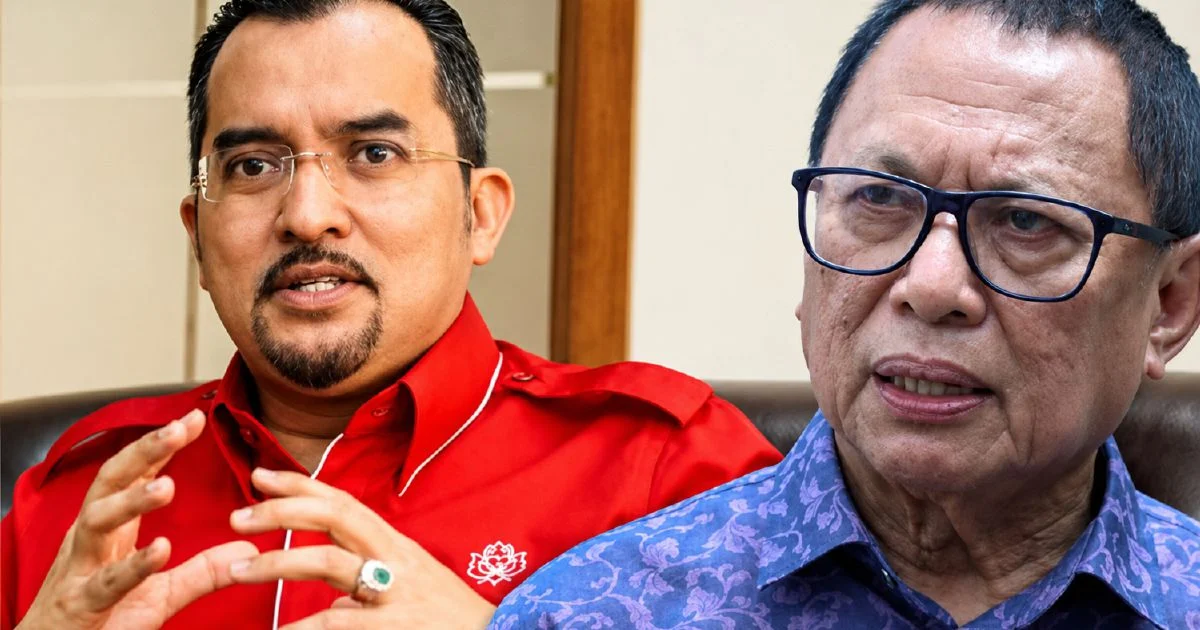
The running friction between Umno's top echelon has boiled over in Johor Baru, with party secretary-general Datuk Dr Asyraf Wajdi Dusuki mounting a vigorous counterattack against Datuk Dr Mohd Puad Zarkashi in the aftermath of the latter's departure from Malaysia's oldest political formation.
The exchange reveals deepening tensions within Umno as the party navigates its role in the broader coalition landscape and grapples with internal cohesion. Puad's decision to resign from the party triggered a cascade of public statements, with allegations levelled that prompted Asyraf Wajdi to step forward with his own account of events. The confrontation underscores the personal and political stakes at play, suggesting fault lines extending beyond routine party management disagreements.
Ashyraf Wajdi's pointed response targets the substance and timing of Puad's accusations, framing them within a broader narrative of party loyalty and institutional conduct. The secretary-general's intervention reflects how senior Umno figures increasingly address intra-party disputes through public channels rather than private mediation, a shift that indicates the severity of underlying differences. His willingness to engage directly in this manner signals that the party views the matter as one requiring transparent airing rather than damage containment through silence.
Puad's exit comes at a sensitive juncture for Umno, which continues to anchor Malaysia's political centre-right. The party faces mounting pressure to demonstrate internal stability and unified messaging as opposition movements strengthen in various states and the 2025 political calendar brings renewed focus on coalition sustainability. High-profile departures, particularly when accompanied by public disagreements, feed narratives of organisational fragility that Umno's leadership must counteract through decisive communication.
The specific claims raised by Puad remain subject to intense scrutiny within party circles and media commentary. Allegations touching on palace matters carry particular weight in Malaysia's constitutional framework, where the monarchy commands deep national reverence. Any suggestion of impropriety involving the institution demands careful handling, and Asyraf Wajdi's response suggests the party takes these assertions with corresponding gravity. His counterstatement likely seeks to establish the official party position and pre-empt further reputational damage.
Umno's secretary-general wields significant agenda-setting authority within party structures, managing communications and internal discipline. Asyraf Wajdi's prominence in party affairs means his public statements carry institutional weight beyond personal opinion. His decision to personally address Puad's claims, rather than delegating responses to subordinates, amplifies the message and demonstrates leadership engagement with the matter. This positioning carries risks, however, as it elevates the controversy's profile and invites further scrutiny of his own record.
The timing of this clash emerges against a backdrop of Umno's strategic recalibration. The party remains central to federal governance through its Barisan Nasional partnership and maintains significant state-level influence. Yet grassroots membership concerns about direction and leadership have surfaced periodically, with some members questioning whether the party adequately represents their interests within coalition arrangements. Puad's departure, particularly if accompanied by public grievances, may embolden other voices to air longstanding frustrations.
For Umno beyond the immediate principals involved, this dispute carries implications for party discipline and morale. Rank-and-file members observing senior leaders engage in public exchanges may draw conclusions about institutional governance and whether grievances find fair hearing within party structures. If dissenting members perceive that only public confrontation garners attention to concerns, internal confidence in party mechanisms erodes further. Conversely, swift and visible management of high-level disputes demonstrates institutional capacity for conflict resolution.
The broader Malaysian political environment adds context to this intra-Umno friction. As coalitions nationwide shift and realign, major parties like Umno face defections from members seeking greener pastures or frustrated by perceived organisational shortcomings. Puad's decision to leave must be understood partly through this competitive landscape, where other political formations actively court dissidents with offers of prominence or preferred positioning. Asyraf Wajdi's response implicitly contests narratives suggesting Umno has become less attractive or coherent than alternatives.
The palace-related allegations introduce a constitutionally sensitive dimension that transcends ordinary partisan disputes. Malaysia's institutional framework accords the monarchy a position commanding bipartisan respect, and political actors must navigate such matters with caution. Any suggestion that party figures mishandle references to royal matters risks alienating constituencies that prioritise institutional propriety. Asyraf Wajdi's engagement with these claims reflects recognition that palace-related matters demand immediate and authoritative clarification from party leadership.
Looking forward, resolution of this visible conflict will test Umno's capacity for measured governance amid pressure. Whether Asyraf Wajdi and remaining party structures successfully contain the controversy's spread will influence external perceptions of Umno's stability entering critical electoral periods. Conversely, if the dispute catalyses further departures or policy reconsiderations, the long-term trajectory of party cohesion could shift meaningfully. The coming weeks will reveal whether this confrontation remains isolated or signals deeper structural fractures requiring fundamental reassessment.
For Malaysian and Southeast Asian observers, this episode illustrates how traditional ruling parties navigate modernised information environments where private disputes rapidly become public spectacles. Umno's handling of this matter may establish precedents for how the party manages future senior-level departures or disagreements, potentially influencing its organisational culture for years ahead.

