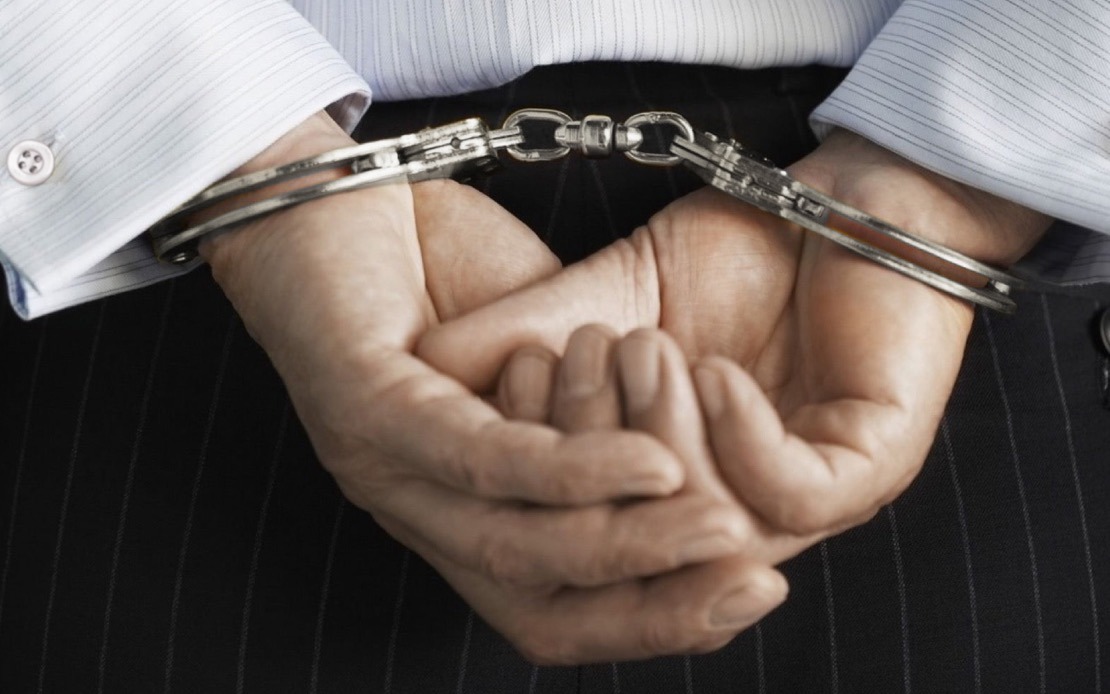
An armed individual was taken into custody at Trump National Golf Course in Rancho Palos Verdes, California, following a suspicious incident that unfolded days before the former president's scheduled appearance at a Republican Party fundraising dinner. The arrest on Sunday, conducted by undercover Los Angeles County Sheriff's Department officers, marked another security concern surrounding Trump as he campaigns to return to the White House.
Initial contact occurred when plainclothes deputies observed a man engaging in activities deemed suspicious within the golf course grounds. The individual was photographing and recording various locations on the property while appearing to conduct surveillance of security arrangements and protective measures in place. This behaviour triggered immediate intervention by law enforcement, who moved swiftly to detain the suspect and assess the threat level.
During the arrest itself, officers recovered ammunition and a 16-round magazine from the man's person. The immediate discovery of such materials escalated the severity of the situation and prompted a more thorough investigation. Subsequent examination of his vehicle yielded even more troubling findings, including a loaded pistol and an additional loaded magazine, suggesting a level of preparation that deepened law enforcement concerns about his intentions.
A comprehensive search of the suspect's residence uncovered an alarming cache of materials that painted a disturbing picture. Authorities discovered multiple weapons and quantities of ammunition, body armour typically associated with tactical operations, and radio signal devices that could facilitate communication during a coordinated action. Most significantly, investigators recovered multiple notebooks containing statements that officers characterised as concerning, though specific details of these written materials have not been publicly disclosed.
The timing of the arrest proved critical, as Trump was expected to arrive at the golf course on the evening of Tuesday for the scheduled fundraising event. This proximity between the security incident and the high-profile gathering underscored the evolving challenges facing protective services assigned to the political figure. The incident represents part of a troubling pattern of security breaches and threats that have escalated dramatically in recent years.
The broader context of threats against Trump has intensified significantly throughout 2024 and into this year. In April, a shooting erupted at a press dinner in Washington, forcing security personnel to rapidly extract Trump and his spouse from the venue and ultimately abandoning the event entirely. The incident demonstrated vulnerabilities in crowd protection scenarios and the unpredictability of threats in public settings with numerous attendees.
Florida's Mar-a-Lago estate has also emerged as a focal point for security incidents. In February, authorities fatally shot an armed individual who had breached security at the estate, suggesting that the property itself has become a target despite extensive protective measures. The incident demonstrated that even restricted-access private facilities require constant vigilance against determined threats.
The most severe attack occurred during Trump's 2024 campaign activities. While attending a campaign event in Pennsylvania, gunshots rang out, and the former president sustained a minor wound to his ear. The incident shocked the nation and prompted widespread discussion about the adequacy of security protocols at outdoor campaign venues. Secret Service personnel responded by evacuating Trump from the scene and implementing heightened protective procedures for subsequent public appearances.
Later in 2024, the Secret Service engaged another armed suspect at Trump's golf course in West Palm Beach, shooting a man who had positioned himself in nearby bushes. Intelligence suggested the individual harboured intentions to carry out an attack, making the preemptive response by protective personnel potentially life-saving. These repeated incidents at golf-related venues raise questions about security challenges specific to such sprawling, semi-public locations.
The mounting frequency of incidents has prompted examination of protective protocols and the resource allocation for Trump's security detail. Unlike sitting presidents who benefit from comprehensive protection through the formal Secret Service apparatus, the security arrangements for former presidents involve coordination between multiple agencies and private security contractors. This complexity can sometimes create gaps or inconsistencies in protective coverage.
For Malaysian observers, these developments reflect broader global security challenges facing high-profile political figures in increasingly polarised environments. The incidents also underscore the operational difficulties inherent in protecting individuals who maintain an active public presence and resist restrictions on their movements and access. As political tensions continue to rise internationally, security services across Southeast Asia may find these case studies relevant to their own protective operations.
The California arrest demonstrates that law enforcement agencies remain vigilant and capable of identifying suspicious behaviour before it escalates into active threats. However, the continued occurrence of such incidents suggests that no amount of security planning can entirely eliminate risk when individuals are determined and have access to weapons. The investigation into the suspect's background, motivations, and any potential connections to organised groups or ideological movements will likely provide additional insights into the nature of contemporary threats facing political leaders.

