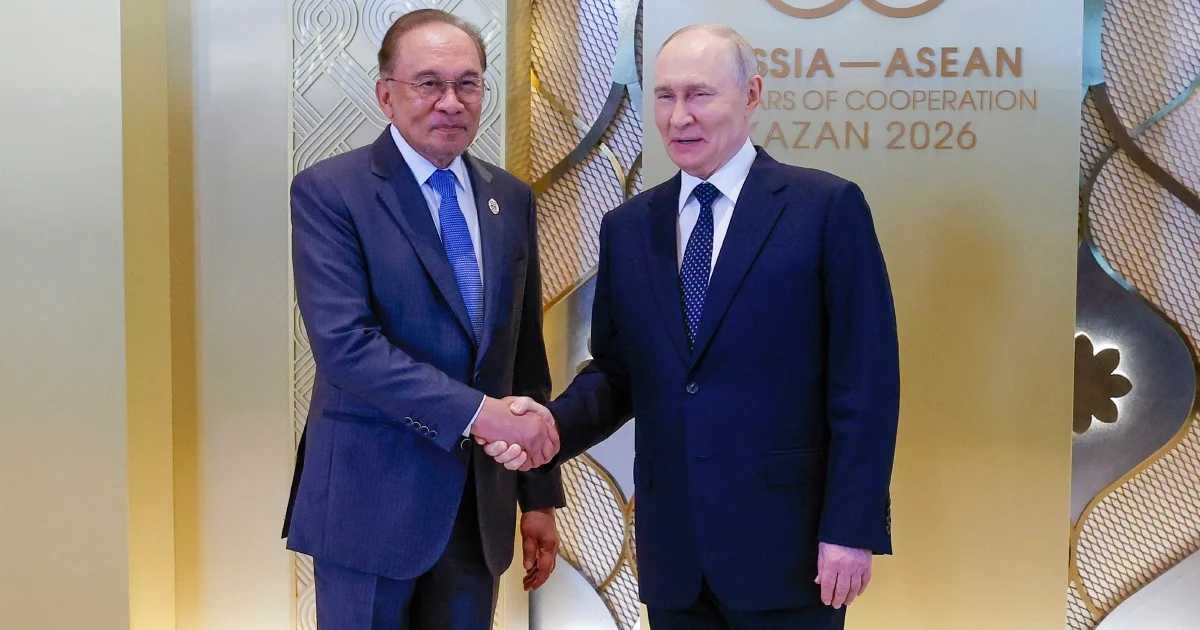
Prime Minister Datuk Seri Anwar Ibrahim's recent diplomatic missions to Russia and Turkmenistan have been identified as pivotal steps in securing Malaysia's energy future, according to BRICS International Malaysia, which praised the outcomes as substantially advancing the nation's long-term strategic interests in this critical sector.
The visits represent a deliberate expansion of Malaysia's energy partnerships beyond traditional Southeast Asian frameworks, reflecting a broader recognition among policymakers that diversifying supply sources and deepening ties with major hydrocarbon-producing nations is essential for economic resilience. For Malaysia, a country historically dependent on conventional energy sources and facing growing demand from its manufacturing and transportation sectors, establishing robust connections with Russia and Turkmenistan opens significant new avenues for securing reliable supplies at competitive terms.
Turkmenistan, situated in Central Asia and possessing some of the world's largest proven reserves of natural gas, represents a particularly strategic partner for Malaysia's future energy architecture. The nation's geographic position along major energy corridors between Asia and Europe positions it as an increasingly important player in global energy markets, and Malaysia's engagement with Turkmen authorities signals intent to participate in emerging energy trade patterns that bypass traditional Middle Eastern supply chains. This geographical diversification reduces Malaysia's vulnerability to disruptions in any single supply region and strengthens negotiating leverage in future energy procurement negotiations.
Russia's role in Malaysia's energy strategy extends beyond simple commodity supply, encompassing technological cooperation, joint ventures in exploration and extraction, and potential partnerships in renewable energy transitions. Moscow has developed considerable expertise in challenging operating environments and sophisticated resource management techniques that could prove valuable for Malaysian companies operating in deepwater fields and other technically demanding extraction scenarios. The diplomatic engagement therefore creates platforms for knowledge transfer and capacity building within Malaysia's energy sector.
The emphasis on oil and gas cooperation reflects Malaysia's current energy realities. While the nation has begun transitioning toward renewable sources, conventional hydrocarbons remain central to Malaysia's energy mix and economic stability. The energy sector continues generating substantial government revenue and employment, making sustained access to competitive global supplies a national priority that transcends short-term political cycles. Maintaining robust relationships with diverse producing nations ensures Malaysia negotiates from a position of strength rather than desperation.
Beyond energy narrowly defined, these visits establish broader economic frameworks that benefit Malaysian businesses across multiple sectors. Energy partnerships typically entail ancillary opportunities in transportation, financial services, construction, and technology provision. Malaysian companies positioning themselves within Russian and Turkmen energy sectors gain exposure to markets substantially larger and more diverse than Malaysia itself, creating employment and export opportunities that ripple through the domestic economy.
The strategic economic dimension also encompasses geopolitical positioning. Malaysia's cultivation of relationships across Eurasian powers, while maintaining established ties with Western nations and regional neighbours, reflects a genuinely non-aligned foreign policy approach. This balancing act allows Malaysia to benefit from multiple strategic relationships without becoming overly dependent on any single power, a posture that has historically served Malaysian interests well in Southeast Asia's complex regional dynamics.
The timing of these visits carries additional significance given broader global energy market turbulence. Elevated prices, supply chain disruptions, and the ongoing transition toward cleaner energy sources have made energy security a paramount concern for developed and developing nations alike. Malaysia's proactive engagement with established producers demonstrates forward-thinking leadership that recognizes energy security as fundamental to national competitiveness and social stability.
For Malaysian readers, these diplomatic initiatives suggest a government committed to protecting long-term economic interests despite global uncertainties. The energy sector's centrality to manufacturing competitiveness, transportation networks, and electricity generation means that reliable, affordable energy supplies directly affect household electricity bills, transportation costs, and industrial productivity. Successful diversification of energy sources therefore carries tangible consequences for everyday living standards.
Turkmenistan and Russia also represent markets where Malaysian construction companies, engineering firms, and service providers can expand operations, creating high-value employment for Malaysian professionals. Energy diplomacy thus functions as a gateway for Malaysian business internationalization, particularly in sectors where Malaysian companies have developed competitive advantages through domestic experience.
The BRICS International Malaysia endorsement of these outcomes reflects broader recognition within Malaysia's business and policy communities that energy independence and security rank among the most consequential long-term strategic challenges facing the nation. As Southeast Asia's industrialization continues and living standards rise, energy demand will inevitably increase, making current efforts to secure diverse, reliable supplies an investment in sustained economic growth and prosperity for coming decades.
Moving forward, the challenge for Malaysian policymakers involves translating diplomatic goodwill into concrete commercial agreements that deliver tangible benefits. The visits establish political foundations, but sustained success depends upon Malaysian companies successfully negotiating commercial terms, integrating Turkmen and Russian energy supplies into existing infrastructure, and building operational partnerships that prove mutually advantageous across economic cycles. The diplomatic groundwork laid by the Prime Minister's visits now requires execution by Malaysian business leaders and technical specialists to convert strategic potential into economic reality.