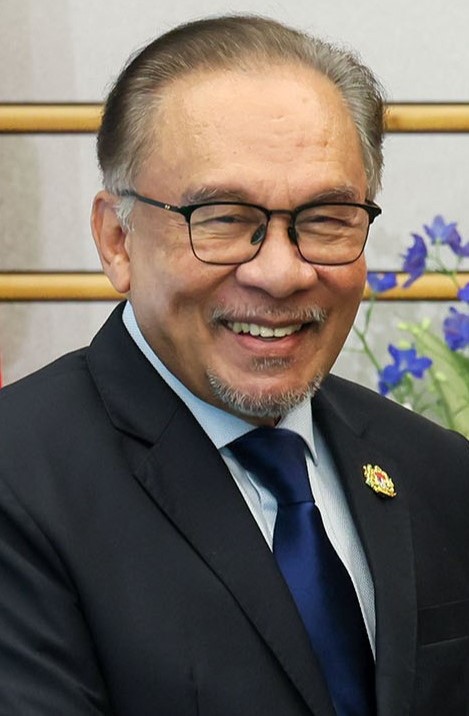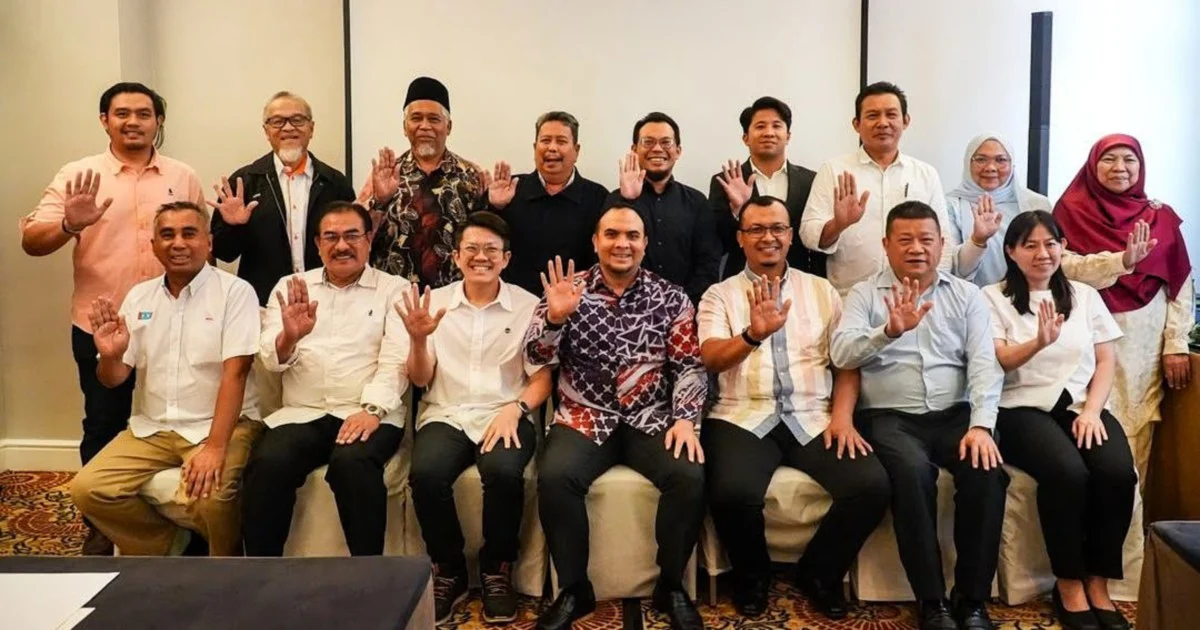
Datuk Ahmad Farhan Fauzi, the political secretary working directly under Prime Minister Datuk Seri Anwar Ibrahim, has been appointed to lead the Pahang branch of Pakatan Harapan, the ruling coalition. The appointment places one of the Prime Minister's closest aides in a key position overseeing opposition-held state operations and coalition dynamics in the eastern Malaysian state.
The move represents a strategic repositioning within PH's Pahang operations, where the coalition has faced recurring challenges in consolidating power and managing internal party tensions. Ahmad Farhan's proximity to the Prime Minister and his role coordinating political strategy at the federal level suggest the leadership intends to strengthen its grip on coalition affairs in a state historically significant to Peninsular Malaysia's electoral landscape.
Pahang, despite being an opposition-controlled state governed by Barisan Nasional, remains strategically important for Anwar's administration. The state's demographic diversity and mixed representation across federal and state levels create opportunities for PH to build inroads, particularly through coordinated ground-level operations and enhanced coalition discipline. Ahmad Farhan's appointment directly from the Prime Minister's office signals that enhancing performance in Pahang is now a federal priority.
As political secretary, Ahmad Farhan has been instrumental in managing day-to-day political communications and strategy implementation for the Prime Minister. His transition to the Pahang chairmanship does not necessarily indicate his departure from federal duties but rather an expansion of his responsibilities to encompass coalition management in the state. This arrangement allows him to maintain liaison functions while providing direct oversight of local operations.
The timing of the appointment carries implications for coalition building ahead of anticipated electoral cycles. Pahang accounts for 14 federal parliament seats and 32 state assembly constituencies, making it a battleground state where improved PH coordination could shift the overall political balance. Ahmad Farhan's leadership may focus on resolving longstanding disputes between member parties and ensuring unified campaign strategies.
Pakatan Harapan's presence in Pahang has been complicated by factional disputes within component parties and competition for candidacy in key constituencies. The coalition's inability to govern the state despite its electoral success in federal contests has created frustration among grassroots members. A Federal-level political operative assuming the chairmanship suggests the central leadership wants to impose greater discipline and coherence on state-level activities.
Ahmad Farhan's background and positioning within Anwar's inner circle indicate the Prime Minister is willing to deploy his trusted advisors to address regional challenges. This personnel move also reflects broader patterns within PH's governance structure, where federal power increasingly influences state-level operations through the appointment of key officials who maintain dual allegiances and reporting lines.
For Malaysian political observers, the appointment underscores the centralisation of decision-making within the current administration. Rather than allowing state branches to develop organic leadership through internal democratic processes, the federal office is now directly inserting politically-aligned figures into leadership roles. This approach may enhance short-term coordination but could potentially create tensions with state-level party members who feel bypassed in the selection process.
The Pahang PH chairmanship carries responsibilities extending beyond ceremonial duties, encompassing fundraising, candidate selection, campaign coordination, and mediation of internal disputes. Ahmad Farhan's role as Prime Minister's political secretary provides him with access to federal resources and decision-making structures that previous chairmen may have lacked, potentially shifting power dynamics within state coalition affairs.
Southeast Asian coalition politics often depend on maintaining equilibrium between federal and regional actors. Ahmad Farhan's appointment in Pahang reflects the broader challenge facing multi-party coalitions: balancing centralized strategic direction with the operational autonomy that state-level politicians require to develop local support networks. How he navigates this balance will determine whether the appointment strengthens PH's overall structure or creates additional friction between federal overseers and state operators.
Looking forward, Ahmad Farhan's tenure as Pahang PH chief will be measured against measurable outcomes including improved electoral performance, reduced internal conflict within the coalition, and successful execution of coordinated state and federal political strategies. His presence signals that the Prime Minister's office takes Pahang's political development seriously, even if the state remains outside PH's direct governance.