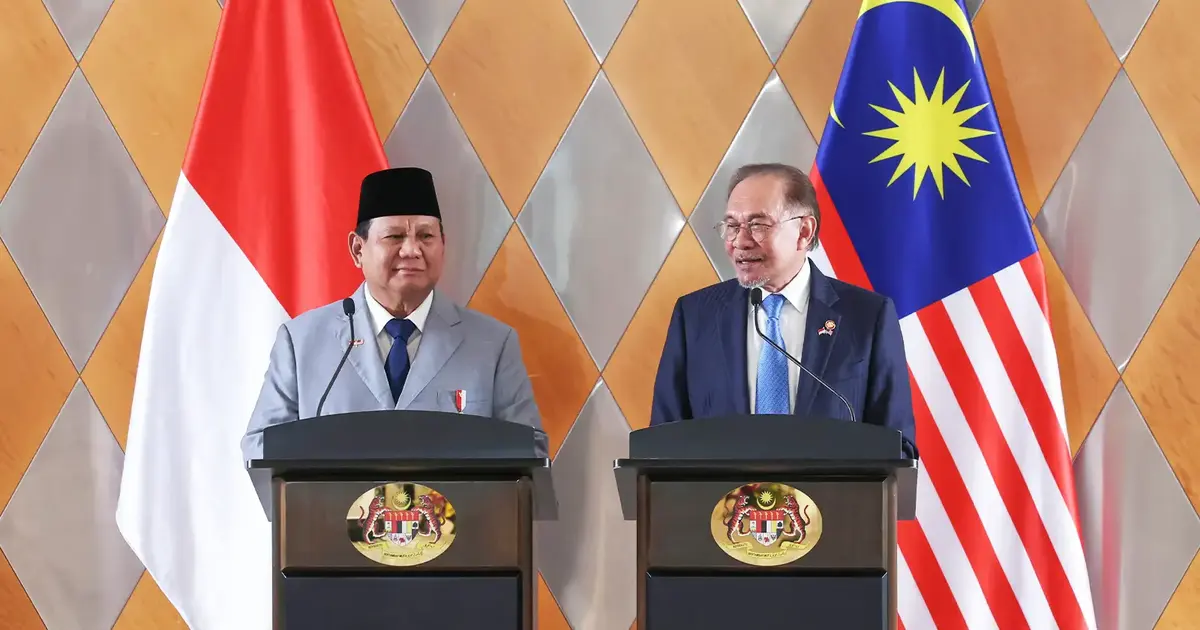
Prime Minister Anwar Ibrahim has escalated diplomatic efforts to address a mounting financial crisis at Felda Global Ventures, writing directly to Indonesian President Prabowo Subianto about the state agency's exposure to Eagle High Plantations. The correspondence underscores the severity of what has become one of Malaysia's most significant agricultural investment losses, with Felda potentially facing write-downs exceeding RM2 billion under current circumstances.
The Eagle High venture represents a pivotal moment for Felda, the Federal Land Development Authority, which has struggled with transparency and governance issues in recent years. What began as an ambitious expansion into Indonesian palm oil operations has morphed into a cautionary tale about inadequate due diligence and the risks of venturing into unfamiliar markets without sufficient oversight. The scale of potential loss—representing a substantial portion of Felda's asset base—has prompted the Prime Minister's direct intervention at the highest diplomatic level, signalling the gravity with which the federal government now views this predicament.
Under worst-case scenarios outlined by Anwar, Felda's financial recovery from the investment would be severely constrained, with projections suggesting the agency might recoup only RM200 million from an initial commitment that exceeded RM2 billion. This represents a recovery rate of approximately 10 percent, a figure that would be catastrophic for an organisation responsible for supporting hundreds of thousands of smallholder farmers and their families across Malaysia. The mathematics of such a loss would reverberate through Felda's operational capacity, potentially affecting dividend payouts to settlers and reducing capital available for development projects in rural constituencies.
The decision to engage Indonesia's new leadership reflects a strategic recognition that resolving the Eagle High situation requires cooperation at the state level. Prabowo Subianto, who assumed the presidency in October 2024, brings a different approach to governance and business regulation compared to his predecessor, potentially offering fresh opportunities for restructuring or salvaging value from the troubled investment. By communicating directly with the Indonesian president, Anwar signals Malaysia's commitment to finding workable solutions while maintaining the bilateral relationship that underpins broader economic cooperation between the two nations.
Felda's involvement in Eagle High raises fundamental questions about corporate governance within Malaysian state-owned enterprises. The agency, which manages substantial landholdings and controls considerable capital through its investment vehicle Felda Global Ventures Holdings, has faced repeated criticism regarding transparency in major financial decisions. The Eagle High transaction appears to exemplify a pattern where aggressive expansion strategies were pursued with insufficient scrutiny from independent boards and regulatory authorities, leaving Malaysian workers and pensioners exposed to losses they neither authorised nor understood.
The timing of Anwar's intervention also reflects growing urgency within the federal government to stabilise Felda's finances before the situation deteriorates further. Should asset values continue declining or operational challenges at Eagle High intensify, the prospect of even larger losses becomes conceivable. For a government grappling with fiscal pressures and competing demands on resources, absorbing a RM2 billion write-down represents a substantial opportunity cost that could have been deployed toward infrastructure, healthcare, or education initiatives benefiting Malaysians more directly.
Indonesia's regulatory and business environment presents distinct challenges that Malaysian investors sometimes underestimate. Land tenure complexities, permitting procedures, and relationships with local stakeholders require expertise that Felda apparently lacked when entering the Eagle High partnership. The venture's deterioration highlights how cross-border agricultural investments demand meticulous planning and ongoing management that extends well beyond initial capital deployment. Felda's experience serves as a cautionary precedent for other Malaysian enterprises considering major investments in the region.
The RM200 million recovery scenario, while modest compared to the original investment, would still require successful operational restructuring and market conditions to materialise. Achieving even this outcome likely depends on cooperative engagement from Indonesian authorities, creditor coordination, and fundamental changes to how Eagle High conducts its business. Without meaningful intervention and restructuring, losses could extend beyond current estimates, making Anwar's diplomatic outreach a necessary precursor to any potential recovery pathway.
For Malaysian investors and policymakers, this situation underscores the importance of rigorous investment appraisal processes and institutional safeguards that prevent concentrated risk-taking in large capital allocations. Felda's difficulties will inevitably influence how future cross-border agricultural and commodity investments are evaluated, particularly those involving substantial commitments of government-backed capital. The episode contributes to ongoing discussions about accountability mechanisms within state-owned enterprises and the need for independent oversight that can prevent situations where losses of this magnitude accumulate before triggering corrective action.
Anwar's direct engagement with Prabowo represents both a recognition of the problem's severity and a strategic gambit to leverage the bilateral relationship toward finding solutions. Whether such diplomatic intervention yields meaningful progress in recovering value or restructuring the investment will likely determine not only Felda's financial trajectory but also broader perceptions regarding how Malaysian government institutions manage large capital deployments and respond when significant losses materialise.

