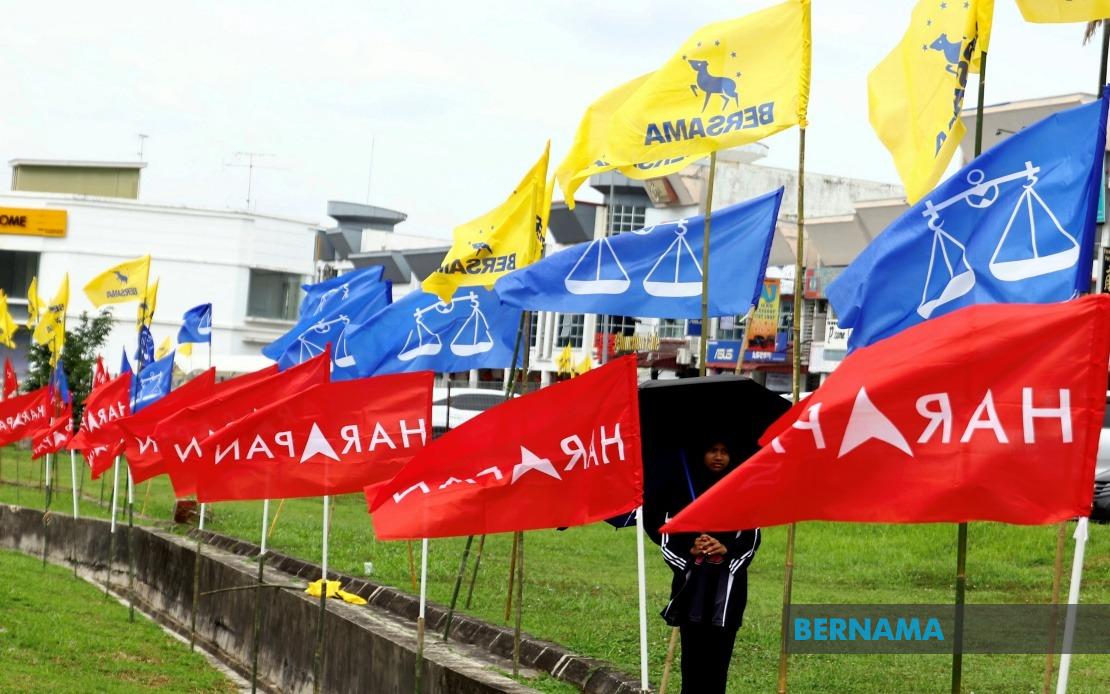
Prime Minister Datuk Seri Anwar Ibrahim has launched an eleventh-hour appeal to voters in Johor, asking them to place their confidence in Pakatan Harapan as the state prepares for its 16th general election this Saturday. Speaking in his capacity as PH chairman, Anwar framed the ballot as a critical juncture for the southern state, positioning the coalition as a vehicle capable of delivering tangible benefits to Johor's residents if entrusted with the mandate to govern.
Anwar's messaging centered on a straightforward covenant with the electorate: grant PH the opportunity to serve, and the coalition would reciprocate through dedicated governance focused on safeguarding Johor's economic and social interests. The Prime Minister emphasised that any progress achieved under a PH administration would be distributed equitably across the population, addressing a persistent concern among voters about whether development gains reach ordinary communities or remain concentrated among elites. This framing reflects broader anxieties across Malaysia's political landscape regarding inclusive growth and fair resource allocation.
The campaign appeal came as the electoral calendar tightened considerably, with only days remaining before Johor residents cast their votes. In this compressed timeframe, Anwar sought to crystallise voter sentiment around PH's platform, attempting to convert wavering support into firm commitments. The proximity to polling day underscored the intensity of competition, as both PH and opposing coalitions mobilised their final resources to influence outcomes in a state historically significant to Malaysian politics and economics.
Beyond conventional campaign messaging, Anwar deployed cultural and emotional appeals to reinforce his message. In a separate social media posting, he incorporated traditional pantun verse to engage voters on a deeper, more resonant level. The four-line stanza referenced Johor's culinary heritage while invoking familial duty and state pride, moving beyond rational policy arguments to tap into affective connections to place and belonging. This approach recognised that electoral decisions often reflect emotional attachments and cultural identity as much as policy calculation.
Particularly significant was Anwar's direct call to Johor-born individuals residing elsewhere in Malaysia or overseas to return home to participate in the election. This messaging acknowledged that Johor's diaspora—workers and professionals who have relocated for employment, education, or opportunity—retain strong ties to their state of origin and may possess distinctive perspectives on its future direction. By framing electoral participation as a homecoming and patriotic obligation, Anwar attempted to mobilise a potentially influential voting bloc that might otherwise face logistical or motivational barriers to returning for a state election.
The 16th Johor state election represents a competitive battleground involving 172 candidates contesting 56 state assembly seats. The number of candidates suggests multi-cornered contests in many constituencies, potentially fragmenting the vote and creating unpredictable outcomes. Such complexity means that messaging discipline and voter mobilisation become even more consequential, as parties must not only convince supporters of their merits but ensure those supporters actually cast votes, particularly where constituencies feature numerous candidates from different political formations.
For Pakatan Harapan specifically, the Johor election carries considerable weight within the broader Malaysian political context. The coalition has experienced significant electoral challenges in recent years, and strong performance in a major state like Johor would provide momentum and credibility heading into future national contests. Conversely, a poor showing would reinforce narratives of PH weakness and potentially embolden opposition forces. This dynamic explains the coalition's intensive focus on Johor and the personal engagement of its highest-profile leaders, including the sitting Prime Minister.
The election also reflects ongoing dynamics within Malaysian federalism, where state-level contests serve as important barometers of national political sentiment. Johor's status as a economically vibrant, densely populated state makes its electoral preferences particularly consequential for interpreting broader trends in Malaysian voter behaviour. Results could signal whether voters in this crucial state remain committed to the political transitions initiated during the 2018 general election or have shifted their preferences as economic conditions, political personalities, and policy outcomes have evolved over the subsequent five years.
Anwar's appeal strategy fundamentally rested on offering voters a choice framed as forward-looking rather than retrospective. Rather than dwelling extensively on past government performance or opposition failings, the messaging emphasised what PH would accomplish if given the opportunity, combined with cultural and emotional appeals designed to strengthen voter identification with the coalition. Whether this approach would prove sufficient to mobilise the turnout and vote share necessary for PH to secure or maintain control of Johor would become apparent only after the Saturday ballot.
The campaign context also highlighted how Malaysian electoral politics increasingly incorporate digital and social media strategies. Anwar's Facebook posts exemplified how senior politicians now communicate directly with voters, bypassing traditional media gatekeepers and personalising their appeals through platforms where supporters often congregate. This shift has transformed campaign dynamics, allowing parties to target specific demographics and message variations without the filtering or scrutiny that conventional media might apply.
Looking ahead, the Johor election outcome would inevitably shape not only the state's governance for the next five years but also influence perceptions of momentum and viability among Malaysia's competing political coalitions. For Anwar personally, the result would offer data about whether his leadership and messaging resonated with voters in a strategically important state—information likely to inform national political strategy and coalition management going forward. The appeal to Johor voters thus represented far more than a routine campaign exercise; it represented a critical test of PH's continued relevance and electoral viability in Malaysian politics.

