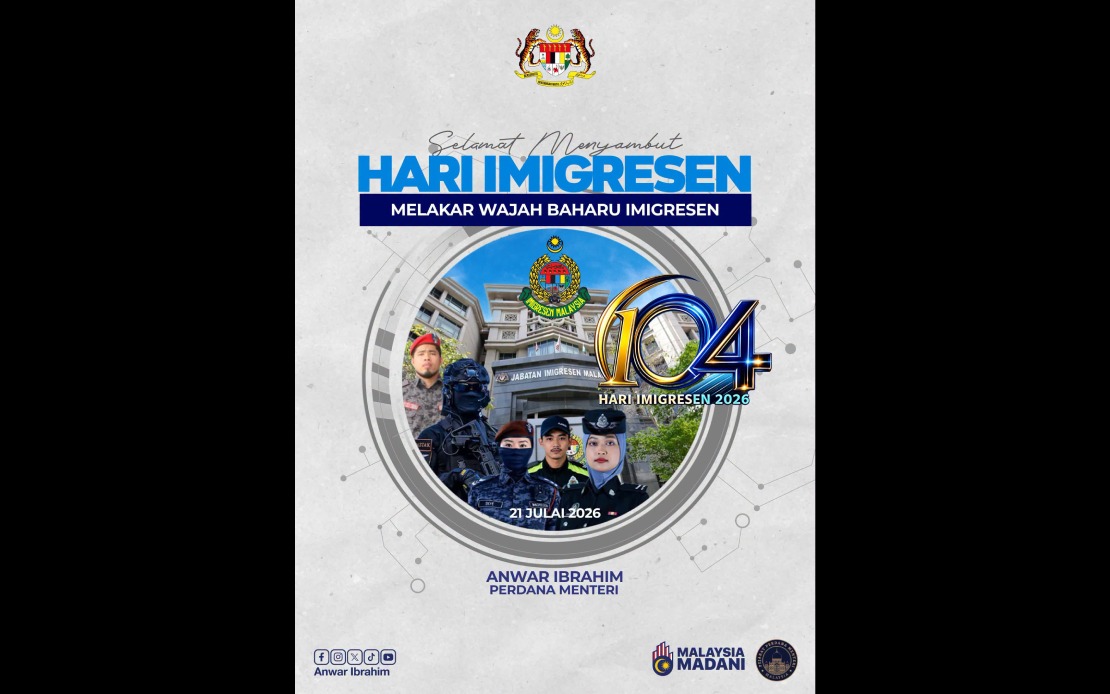
Prime Minister Datuk Seri Anwar Ibrahim delivered a pointed message to Malaysia's Immigration Department personnel during this year's Immigration Day celebrations, urging them to operate with unwavering integrity while actively resisting corrupt practices at all levels. Speaking through a Facebook post, Anwar outlined expectations for the nation's frontline immigration workforce, signalling the government's commitment to strengthening institutional standards across border management and citizenship administration.
The Prime Minister's emphasis on integrity reflects growing concerns about procedural irregularities within border control agencies across the Asia-Pacific region. Immigration departments worldwide have faced scrutiny over document verification processes, visa approvals, and entry clearances, with integrity lapses creating vulnerabilities for human trafficking, money laundering, and national security threats. By publicly reinforcing these values on a commemorative occasion, Anwar sought to reinvigorate organizational culture while setting measurable expectations for departmental leadership and individual officers.
Beyond the anti-corruption messaging, Anwar introduced a complementary emphasis on compassion as a governing principle for immigration service delivery. This framing positions Malaysia's immigration apparatus as balancing necessary border security protocols with humane treatment of travellers, migrants, and citizenship applicants. In practice, this means immigration officers must exercise discretion responsibly when encountering vulnerable populations—including displaced persons, migrant workers, and families navigating documentation requirements—while maintaining procedural rigour.
The 2026 Immigration Day theme, "Charting a New Face for Immigration," suggests the department is undergoing substantive reform and modernization efforts. This messaging indicates potential shifts in operational procedures, technology adoption, or organizational restructuring aimed at improving service efficiency and public perception. For Malaysian citizens and the significant migrant worker population in the country, such reforms could translate into streamlined processing times, enhanced transparency in application procedures, and reduced opportunities for unofficial payments or delays.
Anwar's call carries particular weight given Malaysia's strategic importance as a regional hub for migration, commerce, and tourism. The nation processes hundreds of thousands of traveller arrivals annually and hosts millions of documented and undocumented migrant workers contributing substantially to key economic sectors. When immigration systems function with integrity and professionalism, the benefits extend beyond compliance—facilitating legitimate trade, attracting quality talent, and maintaining Malaysia's reputation as a stable, orderly destination.
Corruption within immigration services creates cascading problems throughout the economy and society. Compromised officers may facilitate document fraud, overlook security risks, or permit irregular migration flows that destabilize labour markets and housing. Conversely, harassment and unofficial levies imposed by corrupt staff deter legitimate migrants and travellers, redirecting economic activity to competing destinations. Malaysia's competitiveness as a regional business and tourism hub depends significantly on border services functioning transparently and fairly.
The government's public commitment to integrity also addresses domestic political considerations. Previous administrations faced criticism over governance standards and institutional corruption, making anti-corruption messaging a priority for the current leadership. By directly addressing immigration personnel, Anwar demonstrated accountability expectations flowing from the Prime Minister's office, signalling that senior leadership monitors departmental conduct and will not tolerate ethical lapses.
Professional service delivery, the third pillar of Anwar's messaging, encompasses training standards, staffing adequacy, and technological infrastructure. Immigration departments require officers equipped with language skills, cultural sensitivity, and updated knowledge of evolving regulations. Adequate compensation and career progression pathways support workforce retention and reduce desperation that might enable corrupt influences. Modern systems for document verification, biometric processing, and data management minimize subjective decision-making where corruption thrives.
The emphasis on safeguarding national sovereignty reveals the security dimension underpinning immigration administration. Well-functioning border controls protect territorial integrity and national security by preventing unauthorized entry and identifying individuals posing security risks. In Southeast Asia's complex geopolitical environment—where transnational threats, maritime disputes, and regional movements of people create fluid security challenges—maintaining professional immigration standards serves fundamental state interests.
For Malaysia's significant diaspora community and international business sector, immigration integrity also affects competitiveness in attracting talent and investment. Professionals considering relocation weigh bureaucratic efficiency, transparent procedures, and reliable rule application in location decisions. Countries perceived as having corrupt or unpredictable immigration systems struggle to attract top talent and high-value investment. Conversely, reputations for professional, fair administration—particularly regarding work permits, dependent visas, and business travel—enhance economic attraction.
The Immigration Department's public commitment to excellence, as articulated through Anwar's statement, requires translating principles into measurable institutional outcomes. This involves establishing clear ethics standards, implementing accountability mechanisms for violations, providing regular training for personnel, and creating feedback channels where public complaints about corrupt conduct receive investigation and resolution.
Moving forward, the success of this anti-corruption drive depends on sustained political backing, adequate resource allocation, and leadership commitment throughout immigration management structures. As Malaysia continues positioning itself as a premier regional destination for commerce, tourism, and talent, professional and ethical immigration administration becomes increasingly central to national competitive advantage. Anwar's Immigration Day message established clear expectations; implementation will determine whether these aspirations translate into institutional transformation.

