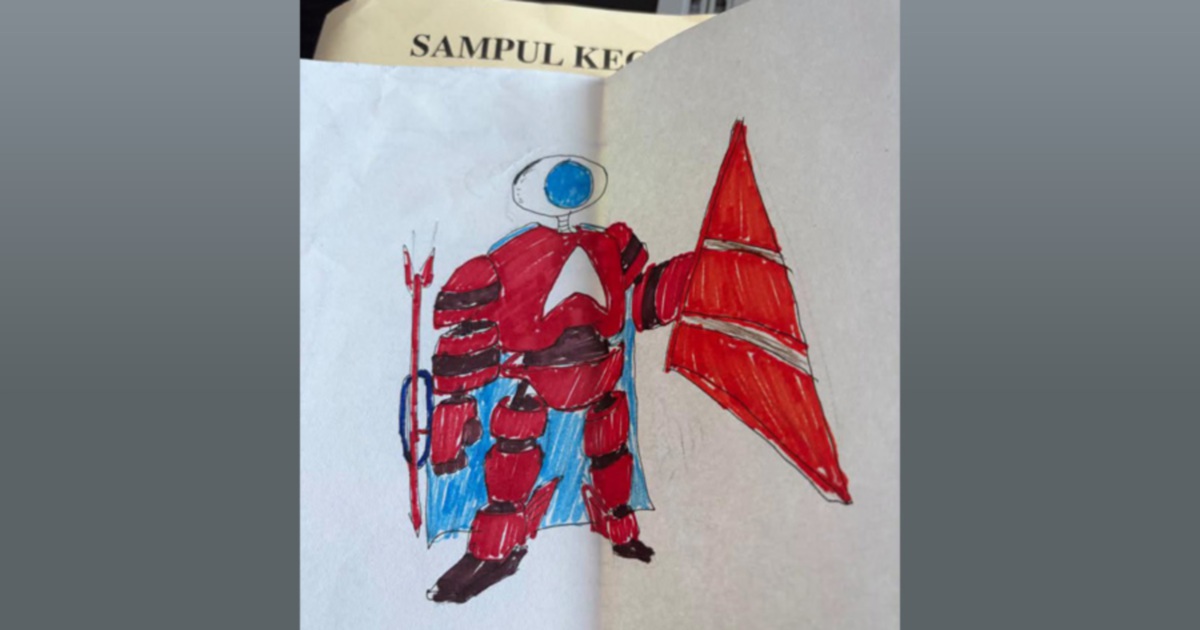
Prime Minister Datuk Seri Anwar Ibrahim has preserved a drawing gifted to him by a child with special needs as a meaningful reminder of his recent engagement with constituents during the Temu Anwar series in Negri Sembilan. The artwork, presented during one of the government's signature grassroots listening sessions, represents a poignant moment of connection between the nation's leader and a young member of the community requiring additional support and care.
The Temu Anwar programme stands as a cornerstone initiative of the current administration, designed to bring the Prime Minister into direct dialogue with ordinary Malaysians across different states and constituencies. These forums provide citizens with opportunities to voice concerns, share experiences, and present their perspectives on matters affecting their families and communities. By maintaining a regular schedule of such engagements, the government demonstrates its commitment to maintaining accessible channels of communication beyond formal parliamentary procedures and ministerial briefings.
The significance of this particular encounter lies in its symbolic dimension. A child with special needs presenting artwork to the nation's highest leader underscores the inclusive nature of the Temu Anwar initiative, which does not exclude or marginalise segments of society that require additional attention and resources. The gesture reflects how diverse segments of the population are encouraged to participate and be heard within these official forums, reinforcing the principle that governance should encompass the needs and voices of all citizens regardless of circumstance.
For families raising children with special needs across Malaysia, such moments carry broader implications. Public acknowledgement by senior leadership of their children's creativity and participation can help shift societal attitudes toward disability and neurodiversity. When high-profile figures demonstrate genuine interest in engaging with special needs communities, it often catalyses positive change in how these groups are perceived and treated within broader society. Educational institutions, healthcare providers, and community organisations frequently take cues from national leadership regarding priorities and values.
The preservation of the drawing as a cherished keepsake suggests more than merely polite acknowledgement. By retaining the artwork, the Prime Minister signals its personal value to him—a tangible reminder of connection with a constituent whose voice might otherwise struggle to reach national leadership through conventional channels. Such gestures, though seemingly small, accumulate to shape public perception of political accessibility and genuine concern for marginalised groups.
Negri Sembilan's selection as a venue for the Temu Anwar programme reflects the government's strategy of rotating these sessions across different regions. The state, located in the central region of Peninsular Malaysia, encompasses both urban and rural communities with varying needs and circumstances. Bringing such direct engagement opportunities to Negri Sembilan ensures that residents in less prominent states receive equivalent access to their Prime Minister compared to those in the Klang Valley or other more densely populated centres.
The Temu Anwar format typically includes presentations of local challenges, discussions of developmental projects, and opportunities for citizens to ask questions and seek clarification on government policies and programmes. Children's participation in such events, particularly those from vulnerable groups, demonstrates an inclusive approach to civic engagement. Rather than relegating special needs children to separate provision or support services, their integration into mainstream community events sends important messages about belonging and equality.
For Malaysian schools and organisations serving students with special needs, government participation in their activities provides validation and encouragement. When institutional support and recognition are extended to special needs populations through high-level engagement, it strengthens the case for adequate funding, trained educators, and appropriate infrastructure. These investments ultimately determine whether children with disabilities receive quality education and support services enabling them to develop their capabilities and contribute meaningfully to society.
The emotional resonance of this encounter also highlights the human dimension of political leadership often obscured by policy discussions and budget allocations. A Prime Minister keeping a child's drawing on his desk or in his office represents leadership that connects emotionally with constituents' experiences. This personalisation of governance, grounded in authentic human interactions rather than abstract policy frameworks, helps bridge the psychological distance between ordinary citizens and those holding high office.
Moving forward, such meaningful encounters during Temu Anwar sessions provide valuable data points for government agencies responsible for special needs services. When leadership witnesses directly the talents, challenges, and aspirations of children with disabilities, it reinforces the human imperative behind policy decisions regarding education budgets, healthcare provision, and social support systems. The drawing, though created by one child, represents the potential and dignity of thousands of special needs individuals across Malaysia.
The preservation of this artwork signals that the Temu Anwar initiative succeeds not merely through policy announcements or administrative efficiency, but through genuine human connection. For the child who presented the drawing, knowledge that the Prime Minister treasures their creation validates their worth and capability. For families navigating special needs challenges, witnessing their children treated with respect and inclusion at national forums offers hope that their concerns will be heard and their contributions recognised within Malaysia's democratic framework.

