Prime Minister Datuk Seri Anwar Ibrahim will formally introduce Pakatan Harapan's candidates for the upcoming Negeri Sembilan state election at a public ceremony in Dataran Melang, Kuala Pilah, on Tuesday, July 14. The announcement marks the coalition's final step before the campaign enters its intensive phase, with the state's political landscape preparing for what is shaping up to be a closely watched contest in one of Malaysia's smaller but strategically important states.
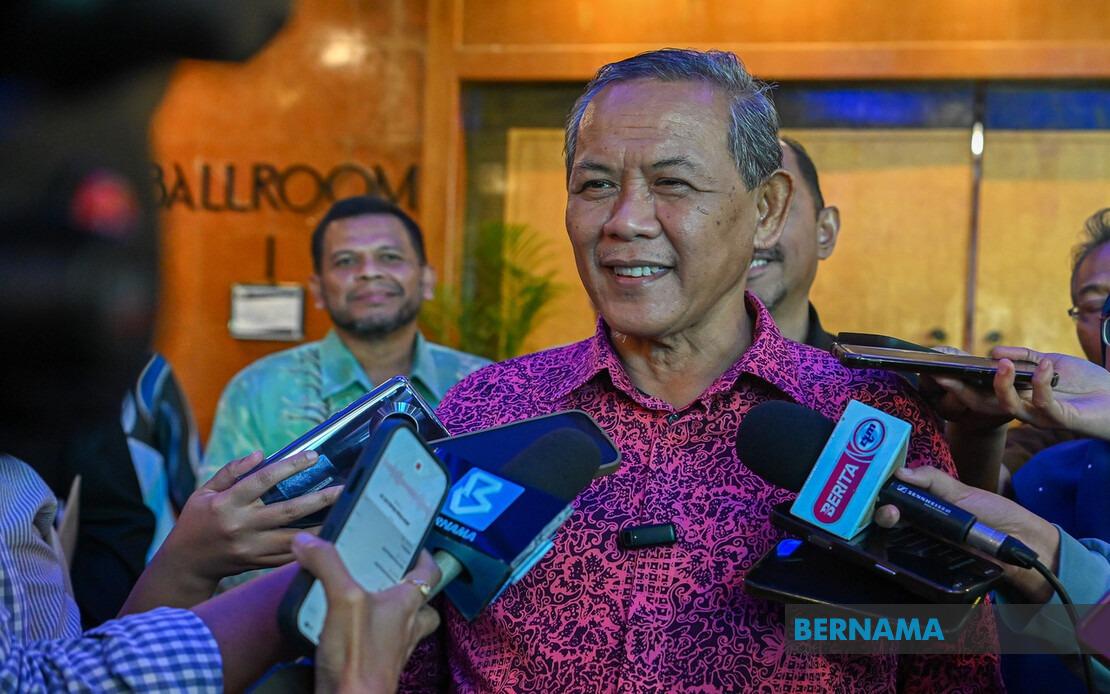
Negeri Sembilan PKR chairman and incumbent Menteri Besar Datuk Seri Aminuddin Harun confirmed that the candidate selection process has concluded and all submissions to the Election Commission have been completed. As PKR president and sitting Prime Minister, Anwar's personal involvement in the candidate unveiling underscores the coalition's commitment to the Negeri Sembilan contest and reflects the state's significance within PH's broader political strategy across the country.
The 16th Negeri Sembilan state election will see the 36 state seats contested across the established coalition framework. PKR will contest 16 seats, positioning itself as the dominant PH partner in the state, while DAP will field 11 candidates and Amanah will present nine. This distribution reflects the coalition's internal negotiations and allocations based on each party's perceived organisational strength and historical performance in specific constituencies.
Among the candidates whose status has generated considerable speculation is Aminuddin himself, the incumbent Menteri Besar whose name has been linked with contesting the Linggi state seat. When asked directly about his own candidacy, Aminuddin declined to provide specifics, instead directing observers to await the formal announcement. His measured response reflects the political sensitivity surrounding whether sitting state leaders will contest elections and at which constituency level they might position themselves for maximum electoral advantage.
The Negeri Sembilan election cycle has been formally established by the Election Commission, which set August 1 as polling day. Nomination day is scheduled for July 18, providing candidates with four days after the official announcement to complete their nomination filings. Early voting will take place on July 28, allowing those unable to vote on election day—including essential service workers, security personnel, and those abroad—to cast their ballots.
Aminuddin has emphasised that all coalition members and candidates should prioritise campaign activities as the election approaches. His appeal represents an effort to maintain party discipline and focus across PH's three constituent organisations, particularly given the sometimes competing interests within coalition partnerships. The Menteri Besar's call for unified campaigning suggests internal discussions may have occurred regarding candidates or strategy, and his public emphasis on cohesion may be designed to project confidence to party supporters.
The timing of Tuesday's announcement comes as PH enters a critical phase in preparing for what could be a competitive state election. Negeri Sembilan, with its mixed urban and rural constituencies, historically serves as a bellwether for broader political sentiment in Malaysia. The state's outcomes often reflect trends visible elsewhere and can provide early indicators of voter sentiment before larger, more complex elections. For PH, maintaining its grip on the state government is essential both for governing continuity and for maintaining the coalition's track record of success in peninsular states.
Background to the political landscape reveals that PH previously won control of Negeri Sembilan, and Aminuddin's leadership as Menteri Besar represents the coalition's holding of the state. However, opposition parties remain competitive, and any shift in voting patterns could alter the state's political direction. The candidate announcements will therefore receive intense scrutiny from both party members assessing their own nominations and opposition figures evaluating PH's strategic choices regarding which politicians are positioned in competitive seats.
The gap between the candidate announcement and nomination day provides candidates with an opportunity to establish their campaigns and introduce themselves to their constituents formally. For incumbent candidates seeking re-nomination, the period allows them to consolidate existing support networks, while first-time candidates must rapidly build campaign machinery and voter recognition. The compressed timeline places considerable pressure on all candidates to mobilise resources and volunteers effectively.
For Malaysian voters in Negeri Sembilan, the announcement will bring clarity to previously uncertain candidacies and provide the information needed to assess the leadership and direction PH is offering. The slate will indicate which politicians have been prioritised by the coalition, which sitting assemblymembers have been retained or replaced, and how PH has balanced new talent with experienced performers. These decisions often influence voter perceptions of whether a coalition is renewing itself or relying excessively on existing leadership.
The election itself will occur during a period of significant national political attention, with PH seeking to consolidate its position across the states while opposition forces attempt to regain ground in contests where they are competitive. Negeri Sembilan's relatively small size means its results, while symbolically significant, will not alone determine Malaysia's political trajectory. However, the state serves as an important test of PH's campaign effectiveness and its ability to maintain voter support in regional contests.

