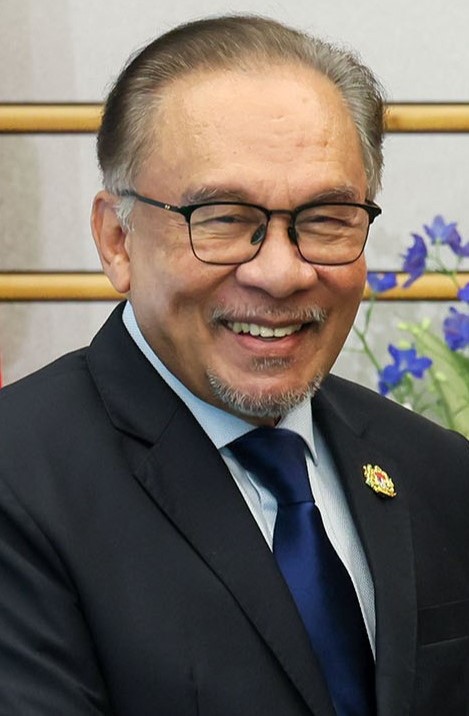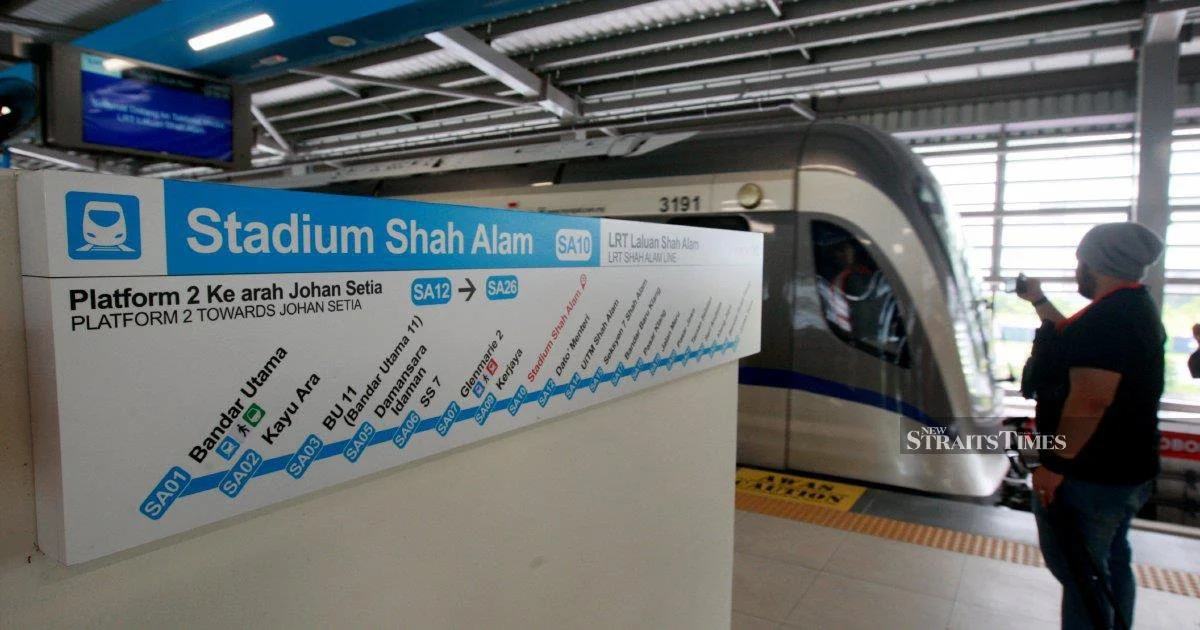
Prime Minister Datuk Seri Anwar Ibrahim is set to formally open the Light Rail Transit Line 3 (LRT3) Shah Alam extension on Sunday, ahead of the line's official commencement of passenger services on Monday. The ceremonial launch represents a significant milestone in the capital region's ongoing efforts to expand public transportation infrastructure and reduce urban congestion along the Selangor corridor.
The Shah Alam extension of LRT3 represents the latest addition to the Klang Valley's rapidly evolving rapid transit network. This development comes as part of long-term strategies to enhance connectivity between Kuala Lumpur and its sprawling metropolitan surroundings, a region that has experienced substantial population growth over the past decade. The new line will serve communities that have historically relied on road-based transportation, offering residents and commuters an alternative to automobile travel.
The extension project has undergone extensive planning and construction phases to integrate seamlessly with the existing LRT3 infrastructure. Engineering and operational readiness assessments have been completed to ensure that the line meets safety standards and operational protocols required for public transit services. The successful completion of this phase demonstrates the coordination required between multiple government agencies, contractors, and transport authorities.
From a regional perspective, this infrastructure development reflects Malaysia's broader commitment to modernizing urban transport systems across the Klang Valley. The Shah Alam line extension will facilitate better mobility for residents in one of Selangor's most densely populated municipal areas, potentially easing pressure on road networks that have become increasingly congested during peak hours. For business districts and commercial zones along the route, improved accessibility may generate economic activity by enhancing connectivity to employment centers.
The timing of this launch underscores the government's focus on public transportation as a policy priority. Enhanced rapid transit options align with environmental objectives, as shifting commuters from private vehicles to public transport can contribute to reducing urban air pollution and carbon emissions. This aligns with Malaysia's commitments under regional and international sustainability frameworks.
Monday's commencement of regular passenger operations will provide the first opportunity for the general public to utilize the new line. Initial weeks of operation typically reveal practical operational insights that help transit authorities refine scheduling, frequency, and passenger management protocols. User feedback during this critical early phase will be valuable for optimizing service delivery.
The Shah Alam extension is particularly relevant for residents of the Klang Valley who face significant daily commuting challenges. By providing a modern alternative to congested highways and trunk roads, the line offers potential time savings for workers commuting between residential areas and employment centers. For students, shoppers, and leisure travelers, the extension similarly promises convenient access to various districts along its route.
Infrastructure projects of this scale typically require sustained investment and coordination across multiple administrations and budget cycles. The completion of the Shah Alam extension demonstrates the feasibility of executing large-scale public works projects within Malaysia's transportation sector, experience that may inform future expansion proposals for the LRT network or complementary rapid transit systems.
The extension also represents tangible progress in addressing long-standing transportation challenges specific to the Shah Alam area. Residents of this municipality have historically advocated for improved public transport connectivity, and this launch fulfills commitments made regarding infrastructure development in the region. The operational line will serve residential neighborhoods, commercial districts, and industrial zones that collectively represent significant economic and demographic weight within Selangor.
As the line transitions from project completion to active service, the broader transport ecosystem will adjust to accommodate new passenger flows. Integration with existing LRT3 operations, as well as coordination with feeder bus services, MRT connections, and other modal options, will determine the overall effectiveness of the extension. Transit authorities will likely monitor ridership patterns closely during initial months to assess demand and adjust service parameters accordingly.
The formal launch by the Prime Minister signals governmental commitment to transport modernization while providing opportunity to communicate these infrastructure developments to the public. Such ceremonial inaugurations serve to highlight policy achievements and reinforce messaging around connectivity and urban development priorities.
Looking ahead, the Shah Alam extension establishes a foundation for potential future phases of LRT3 expansion or other rapid transit initiatives in underserved areas of the Klang Valley. The successful completion of this project may influence planning and implementation strategies for subsequent transport infrastructure developments across Malaysia's metropolitan regions.