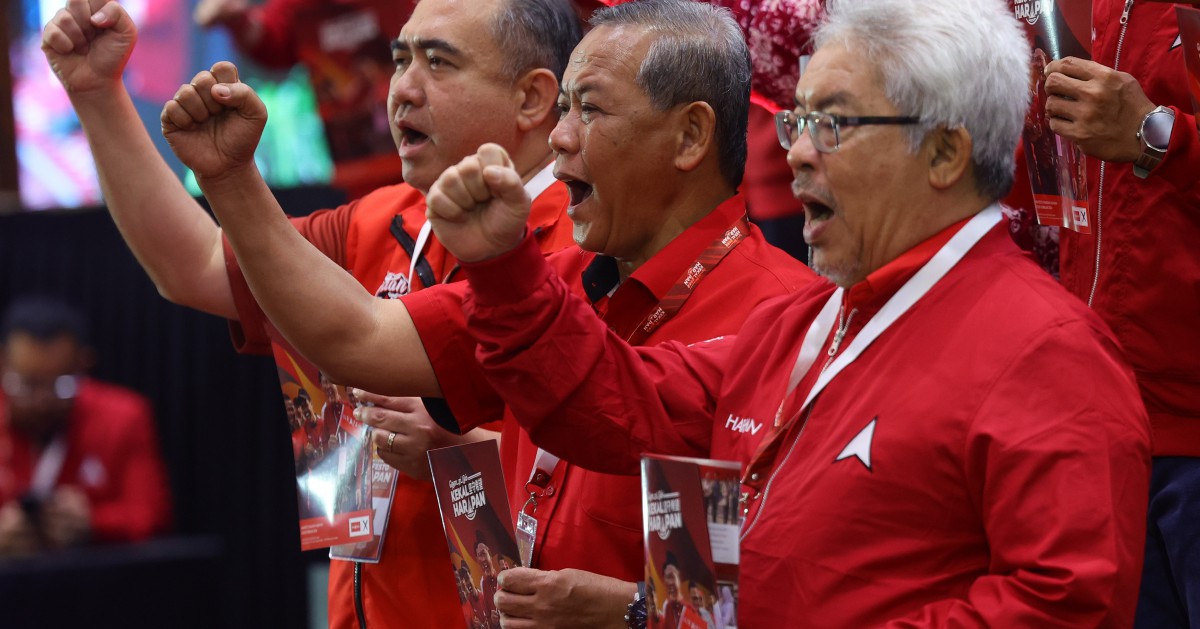
Prime Minister Datuk Seri Anwar Ibrahim is poised to make a high-profile appearance on the campaign trail in Negri Sembilan this week, joining Pakatan Harapan's push to secure electoral support in the state. As both premier and chairman of the opposition-turned-ruling coalition, his participation underscores the political significance attached to the Negri Sembilan contest and reflects the coalition's commitment to maintaining its electoral position in one of Malaysia's key battleground states. The decision to deploy the Prime Minister signals that Pakatan Harapan views the state election as strategically important to its broader political narrative in the region.
Negri Sembilan has been a crucial proving ground for Malaysian politics, historically serving as an indicator of broader national voting sentiment. The state's demographic mix and swing constituencies have made it a focus point for major parties seeking to demonstrate electoral momentum. By bringing Anwar to the campaign on Wednesday, Pakatan Harapan aims to energise grassroots supporters and generate media attention that could influence undecided voters. The Prime Minister's involvement sends a clear message about the coalition's seriousness in contesting the election and its determination to preserve support across peninsular Malaysia.
Anwar's campaign visit comes at a critical juncture for Pakatan Harapan, which has faced various political pressures since returning to government following the 2022 general election. The coalition has worked to consolidate its base and demonstrate effective governance, particularly in state-level contests where voters can deliver direct mandates on coalition performance. His appearance in Negri Sembilan will provide an opportunity for him to address local concerns, highlight achievements, and articulate the coalition's vision for the state's development. Direct engagement with voters through such campaigns remains a powerful tool in Malaysian electoral politics.
The timing of the Wednesday visit also suggests coordination with other campaign activities and party schedules across the peninsula. State election campaigns in Malaysia typically involve multiple tiers of party leadership, from local assemblymen and state politicians to federal ministers and senior coalition figures. Anwar's participation adds weight to these efforts and reflects the hierarchical nature of Malaysian political campaigning, where high-profile figures are deployed strategically to maximise electoral impact. The presence of a sitting Prime Minister on the campaign trail invariably attracts media coverage and public attention that smaller, localised events cannot generate.
Packatan Harapan's emphasis on Negri Sembilan also reflects the coalition's broader political arithmetic. In a system where state governments and federal government can be controlled by different coalitions—as seen in other Malaysian states—maintaining or expanding control at state level is crucial for party viability and influence. Negri Sembilan's seat distribution and electoral dynamics mean that results here carry implications not just for the state itself but for the coalition's standing nationally. A strong showing would reinforce Anwar's leadership credentials, while underperformance could invite unwanted scrutiny of coalition effectiveness.
The state election campaign has likely intensified competition between Pakatan Harapan and opposition alliances, with each side deploying senior figures to appeal to voters. In Malaysian political tradition, state elections often become proxy battles reflecting national political trends and factional interests within larger coalitions. The opposition's strategy will undoubtedly include its own high-profile campaigning, making the contest a visible demonstration of competing visions for the state's future. Anwar's Wednesday appearance represents the coalition's determination not to cede ground and to project confidence in its political standing.
For Negri Sembilan residents, Anwar's campaign visit offers a chance to engage with federal leadership on issues affecting the state—infrastructure development, economic opportunities, education, healthcare, and federal support for state initiatives. These state elections provide voters with opportunities to influence governance decisions while simultaneously expressing satisfaction or dissatisfaction with the broader political direction set at federal level. The Prime Minister's presence on the campaign trail acknowledges this dynamic and creates space for dialogue between leadership and constituents.
Beyond the immediate electoral calculus, Anwar's participation in the Negri Sembilan campaign reflects ongoing efforts by Pakatan Harapan to solidify its post-2022 election positioning. The coalition must maintain momentum and demonstrate to supporters that it remains capable of winning elections and delivering governance. State-level contests provide tangible opportunities to prove this capability and generate positive narratives about coalition performance. Success in Negri Sembilan would constitute a valuable validation of the coalition's electoral strength heading into future contests.
The Negri Sembilan state election ultimately represents a microcosm of Malaysian politics in the contemporary period, where coalitions compete intensively to maintain or improve their electoral standing, federal leaders engage directly with state-level campaigns, and voters exercise meaningful choice about governance direction. Anwar's Wednesday campaign appearance fits squarely within this framework, demonstrating how prime ministerial responsibilities intertwine with party political obligations in the Malaysian system. His involvement will likely set the tone for the final phase of coalition campaigning in the state as voters prepare to cast their ballots.

