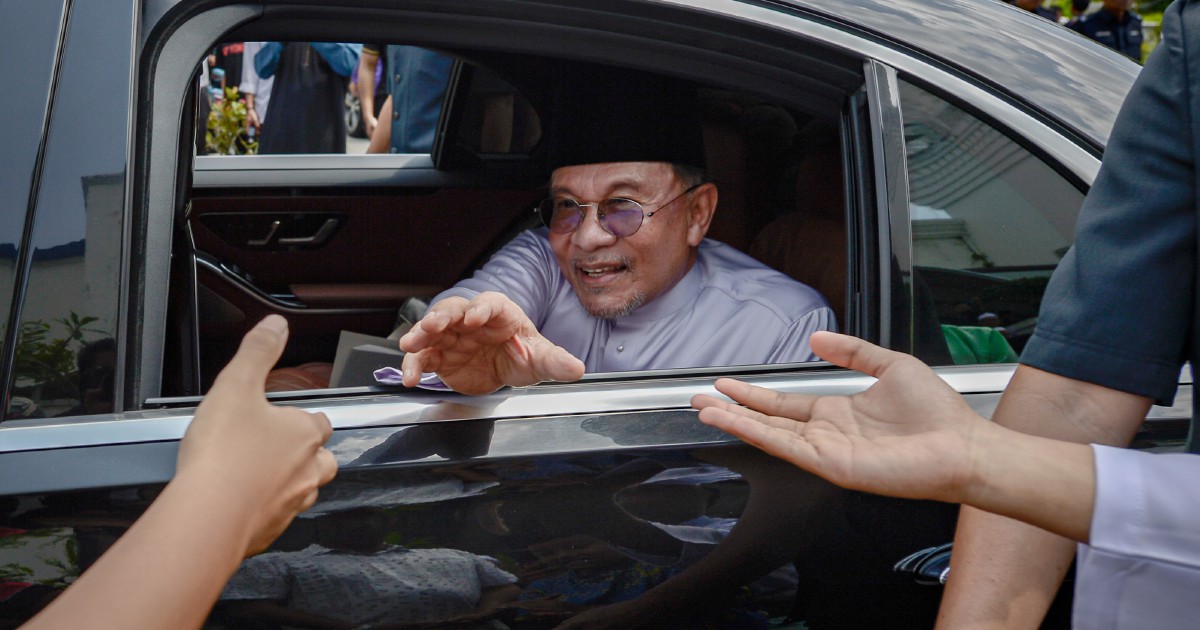
Prime Minister Datuk Seri Anwar Ibrahim ventured to Negri Sembilan to amplify Pakatan Harapan's presence during the state's ongoing election campaign, signalling the coalition's determination to consolidate support across the nation's heartland territories. His visit underscores the heightened importance that the federal leadership attaches to securing ground-level backing in peninsular states where the outcome could reshape the political landscape heading into subsequent electoral contests.
The campaign swing represents a deliberate strategy by Pakatan Harapan to leverage the Prime Minister's political standing in regions where the coalition faces competitive pressures. By bringing the nation's chief executive to the state level, party strategists aim to energise party machinery and grassroots activists who have been mobilising voters across constituencies. This approach follows established practice in Malaysian politics, where federal leaders personally campaign to revitalise party momentum during critical electoral periods.
Negri Sembilan holds particular strategic significance within the broader electoral calculation. As a central peninsular state with diverse demographics spanning urban centres, semi-rural communities, and agricultural areas, the territory presents a microcosm of voter concerns that extend beyond state-specific issues. Performance here can serve as a bellwether for how broader Pakatan Harapan messaging on economic management, anti-corruption governance, and social policies resonates with undecided voters across similar constituencies nationally.
The coalition's focus on this state election reflects awareness that maintaining public confidence in its administration requires sustained engagement with voters beyond Putrajaya's corridors of power. Election campaigns provide critical opportunities for federal and state leadership to present their policy achievements and future vision directly to communities, reinforcing connections that formal governance structures cannot always establish. Anwar's presence attempts to personalise the coalition's broader narrative about national direction and economic stewardship.
Pakatan Harapan's electoral positioning in Negri Sembilan carries implications for the coalition's internal balance and territorial control. State governments controlled by the coalition influence resource allocation, development planning, and the appointment of local authorities—levers of power that determine quality of life experiences for ordinary Malaysians. Victory or defeat here shapes which political forces shape these outcomes in coming years, affecting everything from infrastructure investment to local service delivery.
The campaign tour also signals the coalition's readiness to contest vigorously across Malaysia's diverse landscapes. Unlike scenarios where dominant coalitions can rely on incumbency advantages, Pakatan Harapan operates within a fiercely competitive political environment where consolidating support requires constant demonstration of relevance and responsiveness. The Prime Minister's personal involvement communicates that federal leadership considers the state result important enough to warrant high-level attention and resources.
For Negri Sembilan voters, the campaign visit creates an occasion to assess the Prime Minister's political priorities and policy commitments directly. Anwar's messaging typically emphasises the coalition's track record on transparency, anti-corruption efforts, and inclusive economic approaches—themes intended to differentiate Pakatan Harapan from alternative governance models. Public perception of these narratives, shaped through campaign interactions and media coverage, influences how communities evaluate their political choices.
The state election occurs within a broader context of Malaysian politics where state and federal outcomes increasingly intertwine. Strong state-level performances strengthen federal coalition stability, while territorial losses can create internal pressures and suggest declining public confidence in the governing approach. This interconnection means that state campaigns function as rehearsals for national political messaging and serve as testing grounds for electoral strategies that parties anticipate deploying in subsequent federal contests.
Negri Sembilan's electoral dynamics reflect broader regional patterns affecting how Malaysians across the peninsula evaluate their governance options. Communities in the state grapple with economic transformation concerns, infrastructure adequacy, and cultural preservation issues that resonate throughout similar constituencies. The coalition's capacity to address these concerns effectively—or at minimum, to persuade voters that it has developed credible plans to do so—determines whether it can sustain the electoral support necessary for continued governance.
Anwar's campaign involvement highlights how modern Malaysian elections remain contests where national leadership visibility and endorsement carry considerable weight with voters. While state issues matter significantly, many constituents consider how state governments fit within the broader architecture of federal governance and whether their representatives align with national directions they prefer. The Prime Minister's presence attempts to establish these connections and reinforce the coherence of the coalition's overall political project across governance levels.
The campaign push also reflects resource allocation decisions within Pakatan Harapan's leadership. By committing the Prime Minister's schedule and political capital to Negri Sembilan, the coalition signals which territories command priority attention during this electoral window. Such decisions shape party activists' morale and resource distribution, creating ripple effects throughout party organisation and volunteer engagement. The message conveyed—whether a state is considered winnable, important, or perhaps slightly vulnerable—influences how intensively local party machinery operates.
For Malaysian observers monitoring coalition dynamics, Anwar's Negri Sembilan campaign tour represents an observable data point about Pakatan Harapan's confidence levels, strategic priorities, and how it perceives the electoral terrain ahead. The energy and emphasis placed on this state, compared to other contests occurring simultaneously, reveals internal assessments of where coalition fortunes hang in balance and where leaders believe high-level intervention can shift outcomes decisively.

