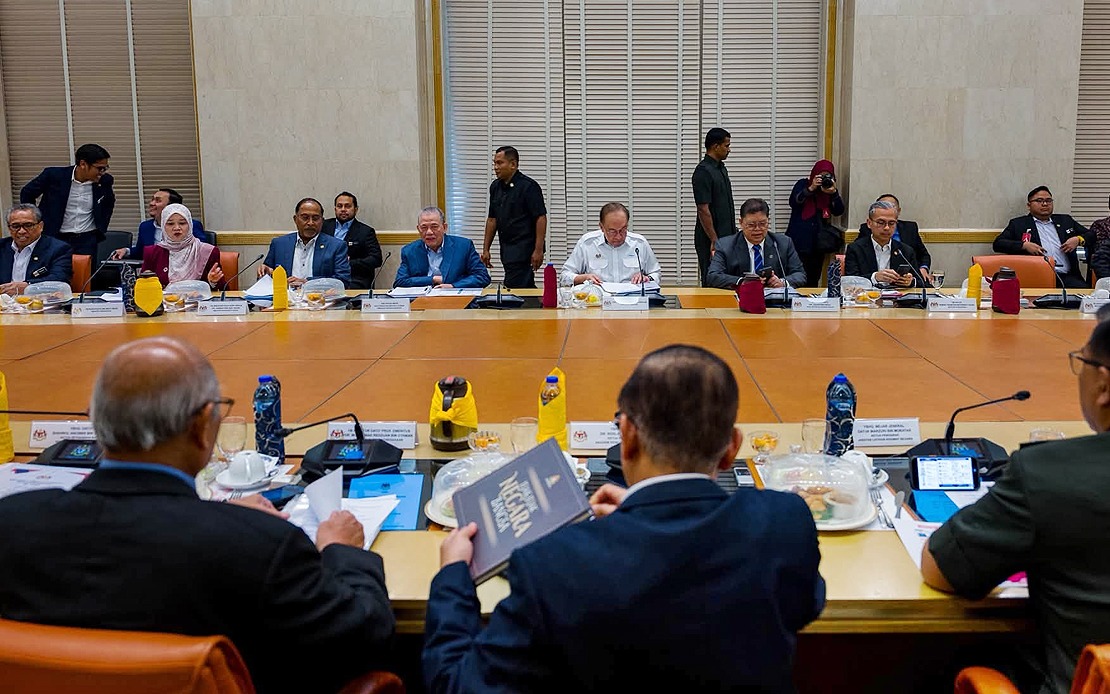
Prime Minister Datuk Seri Anwar Ibrahim has stressed that cultivating and reinforcing nationhood values represents a cornerstone of Malaysia's long-term development, arguing that such efforts are essential for building a cohesive society with citizens grounded in shared principles. Speaking following a board governance meeting he chaired, Anwar elaborated on how the deliberate strengthening of national identity, personal integrity, and ethical principles among Malaysians will ultimately enhance the country's international standing and domestic stability.
The Prime Minister's emphasis on nationhood values reflects a broader recognition that economic growth and infrastructure development alone are insufficient for sustainable nation-building. Instead, Anwar articulated a vision where patriotism and civic consciousness become embedded in the national fabric through systematic institutional efforts. He noted that fostering genuine love for Malaysia requires more than rhetorical appeals; it demands the creation of tangible platforms and programmes through which citizens can internalize and practise these values in their daily lives.
Among the specific initiatives highlighted by the Prime Minister is the National Service Training Programme, or PLKN, which has reportedly generated encouraging feedback from both participants and their families. Anwar identified this programme as a crucial mechanism for developing discipline, resilience, and a strong sense of national identity among young Malaysians. The PLKN's structured environment, which brings together young people from diverse ethnic, religious, and socioeconomic backgrounds, provides an invaluable opportunity for participants to forge bonds across traditional divides while learning about shared national objectives.
The Prime Minister's comments underscore a recognition that national cohesion cannot be assumed; it must be actively cultivated through deliberate investment in character-building initiatives. For a multicultural nation like Malaysia, where unity across difference remains an ongoing challenge, programmes that unite young citizens around common values and shared experience serve strategic national objectives. The positive reception of PLKN suggests that citizens recognize the value of such initiatives in building a stronger, more integrated society.
Anwar also drew attention to the role of the Nationhood Fellows, an initiative designed to convene influential figures, respected statesmen, and thought leaders from various professional and community backgrounds. By bringing together prominent personalities across sectoral and ideological lines, the Nationhood Fellows programme aims to generate substantive ideas and strategic recommendations that reinforce the nation-building agenda. This approach acknowledges that lasting national development requires not just government action, but active participation from civil society, business, academia, and other influential quarters.
The emphasis on drawing together diverse voices through the Nationhood Fellows reflects an understanding that inclusive dialogue and broad-based consensus-building are essential for social cohesion. When respected figures from multiple constituencies collaborate on articulating and advancing shared national values, the resulting initiatives carry greater legitimacy and are more likely to resonate across different segments of Malaysian society. This model contrasts with top-down approaches and instead privileges the organic emergence of national consensus through structured dialogue.
For Malaysia's regional standing, the cultivation of strong nationhood values carries particular significance. As Southeast Asian nations compete for influence, investment, and talent, those with demonstrable social cohesion and shared national purpose gain competitive advantages. Citizens with strong attachment to national institutions and values become more effective ambassadors for their country internationally, while a unified domestic base strengthens a nation's capacity to pursue strategic objectives regionally and globally.
The Prime Minister's focus on nationhood values also addresses longstanding concerns about social fragmentation in Malaysia. Religious polarization, ethnic tensions, and generational divides have periodically strained national unity. By promoting programmes and initiatives centered on shared national identity and common principles, the government seeks to establish a unifying narrative that transcends particular communal interests. The challenge, however, lies in developing messages and platforms that authentically resonate across Malaysia's diverse communities without appearing exclusionary.
The PLKN programme, in particular, represents an investment in preventative nation-building. By exposing young Malaysians to peers from different backgrounds during formative years, the programme aims to build social capital and interpersonal understanding that will sustain national cohesion as participants enter professional and civic life. Early evidence suggesting positive reception indicates that citizens value opportunities to build cross-community relationships within a structured national framework.
Looking forward, the success of initiatives like PLKN and the Nationhood Fellows will depend on sustained political commitment and adequate resource allocation. As Malaysia navigates demographic change, technological disruption, and evolving social expectations, the need to continuously refresh and adapt nation-building efforts becomes increasingly apparent. Younger generations may require different mechanisms and messaging than their predecessors for internalizing national values.
The Prime Minister's statements also carry implicit recognition that nationhood building remains an incomplete project in Malaysia. Despite decades of independence and considerable economic development, questions about national identity, social cohesion, and shared purpose persist. This is neither unusual nor necessarily problematic; all nations engage in ongoing processes of defining and redefining their collective identity. What matters is that political leaders remain intentional about this work and commit resources to strengthening the institutions and platforms through which national values are transmitted and reinforced across generations.

