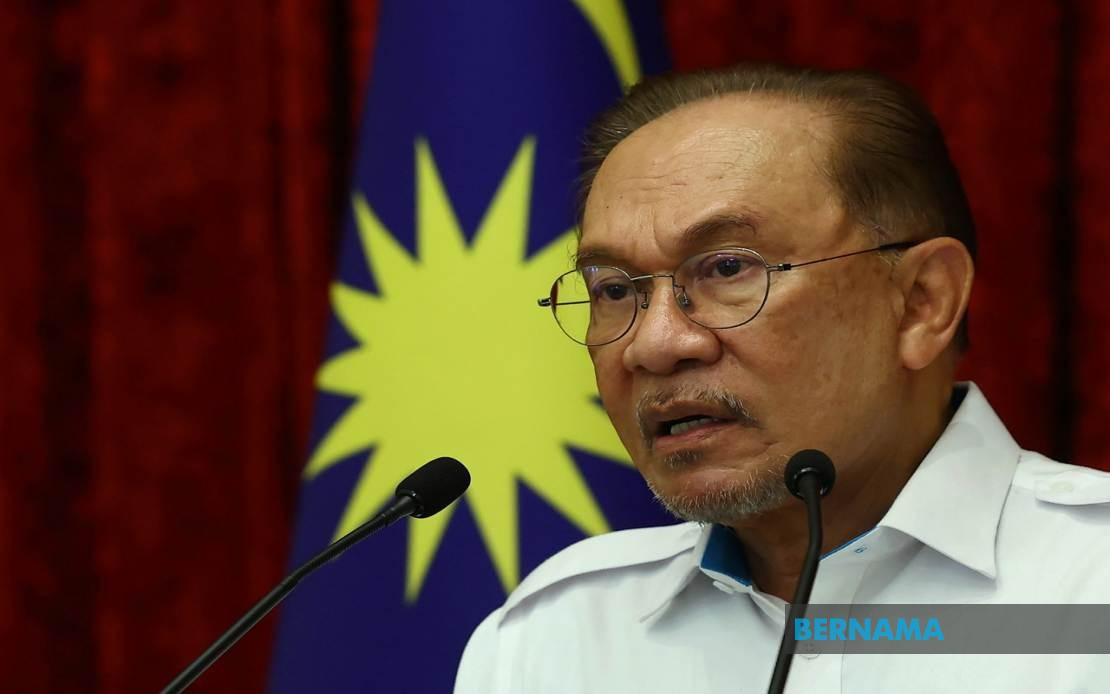
Prime Minister Datuk Seri Anwar Ibrahim conveyed his regrets on August 11 for not being present at a special parliamentary sitting convened to discuss findings from the Royal Commission of Inquiry into Tabung Haji, one of Malaysia's most significant Islamic financial institutions. The absence came as the 79-year-old leader continues his post-operative recovery from a surgical procedure performed in recent days.
Tunku Nashrul Abaidah, the Prime Minister's senior press secretary, released a statement clarifying that Anwar's non-attendance reflected his ongoing medical treatment rather than any disengagement from the matter. The statement conveyed his hopes that legislative proceedings would unfold without impediment and reaffirmed his commitment to remaining abreast of the debate's content and conclusions from his place of recuperation.
The Tabung Haji inquiry represents a critical moment for institutional accountability within Malaysia's Islamic finance sector. The sovereign wealth fund, which manages pilgrimage savings and investments for Muslim Malaysians, has faced mounting scrutiny over governance concerns and financial management practices. Parliamentary debate on the RCI's findings carries substantial weight for restoring public confidence in the organisation, which touches the financial security of hundreds of thousands of Malaysian families who have entrusted their Hajj funds to its stewardship.
According to a separate announcement from his medical team's coordinator, Datuk Dr Asri Ranga Abdullah Ramaiah, Anwar underwent an elective laparoscopic surgical procedure to address a para-umbilical hernia. This minimally invasive technique typically permits faster recovery compared to traditional open surgery, though post-operative rest and supervised rehabilitation remain essential components of the healing process.
The Prime Minister's office stressed that his physical condition is on an improving trajectory. Medical specialists overseeing his care have structured a physiotherapy regimen tailored to his recovery needs, with the clinical team maintaining close supervision throughout the rehabilitation phase. This structured approach aims to restore full functional capacity while managing any discomfort or complications that might arise during healing.
Anwar's message also expressed gratitude to those who have offered prayers and well-wishes, acknowledging the widespread public concern for his health that surfaced around his recent birthday on August 10. The outpouring of goodwill from political colleagues, citizens, and international figures underscores the significance of leadership continuity during a period when Malaysia confronts multiple governance and institutional reform challenges.
The timing of this parliamentary sitting on the Tabung Haji RCI report creates a delicate balance between institutional necessity and leadership availability. While Parliament must proceed with its legislative functions and hold executive institutions accountable, the Prime Minister's medical obligations take precedence for his long-term capacity to lead effectively. The delegation of his physical presence at proceedings to other government representatives allows parliamentary business to advance without delay.
For Malaysian stakeholders invested in the Tabung Haji outcome, the Prime Minister's stated intention to track the debate comprehensively from his recovery location should provide some reassurance that executive attention remains focused on this sensitive institutional matter. How the government responds to the RCI's recommendations will shape public perception of its commitment to reforming Islamic financial governance and addressing any systemic weaknesses the inquiry may have identified.
This incident also reflects broader questions about institutional resilience and succession planning within Malaysia's political system. As the Prime Minister recovers, the smooth functioning of government departments and parliamentary processes demonstrates whether institutional machinery can operate independently when the chief executive requires temporary medical leave. For a developing democracy managing complex governance transitions, such demonstrations of administrative continuity carry meaningful significance.
The special sitting represents an opportunity for Parliament to engage substantively with findings that may reshape how Tabung Haji operates, how it safeguards Islamic community wealth, and how governance standards apply to institutions managing devotional and financial obligations of millions. The debate's quality and the subsequent policy responses will determine whether the RCI process translates into meaningful institutional reform or remains a symbolic exercise in accountability.
Anwar's medical situation also underscores the demands placed on Malaysia's senior leadership. At 79 years old, managing both hernia repair and the pressures of national administration requires careful health management. The public acknowledgement of his medical condition and recovery timeline demonstrates a degree of transparency about leadership health matters, though it also inevitably raises broader considerations about succession planning and continuity within the government structure that Malaysian observers and regional analysts are beginning to examine more closely.
The forthcoming parliamentary debate on Tabung Haji will proceed with heightened scrutiny not merely of the fund's governance record but also of how thoroughly Parliament and the executive branch address the RCI's findings and recommendations. Whether the special sitting catalyses substantive reform or remains a procedural formality will carry implications for institutional trust across Malaysia's Islamic financial sector and the government's credibility in addressing governance concerns.

