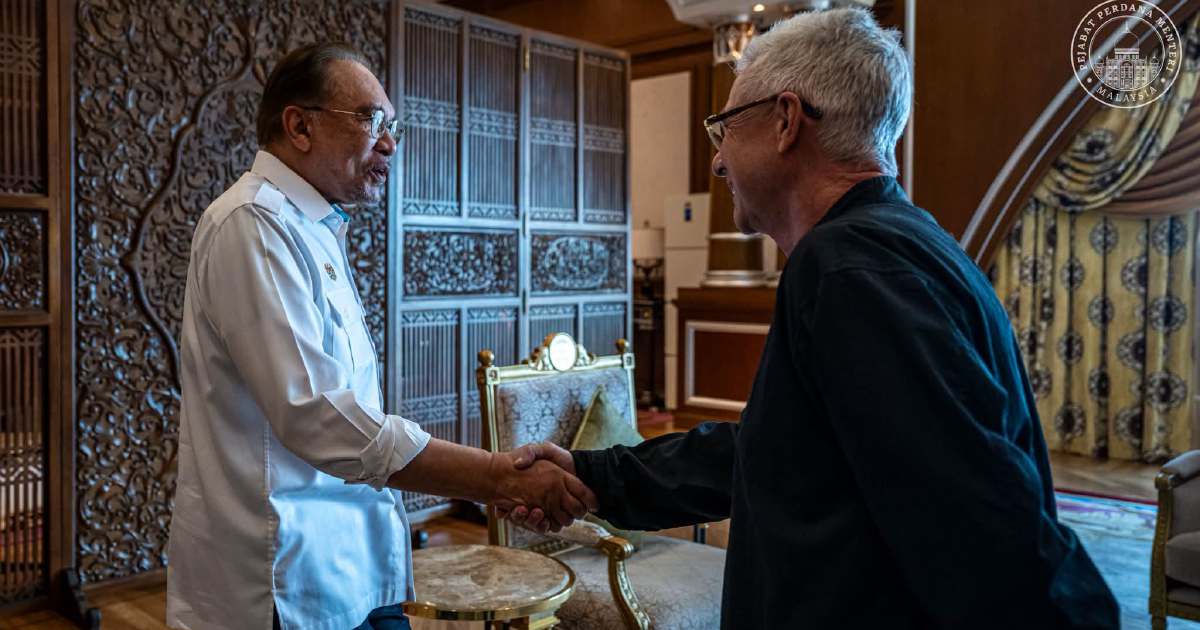
Prime Minister Datuk Seri Anwar Ibrahim has held discussions with Singapore Grand Prix executive director Michael Roche to gain insights into successful Formula 1 event management, signalling Malaysia's commitment to enhancing its international motorsport profile ahead of the Formula 1 Gulf Air Bahrain Grand Prix at Sepang International Circuit this October.
The meeting underscores a strategic approach by Malaysia's top leadership to learn from one of Asia's most successful Grand Prix operations. Singapore's night race has become a marquee event on the Formula 1 calendar, drawing global audiences and establishing the city-state as a premier motorsport destination. By engaging directly with Michael Roche and his team, Anwar is positioning Malaysia to elevate its own event management capabilities and operational standards.
Singapore's Grand Prix has developed into a sophisticated operation over nearly two decades, combining world-class infrastructure with meticulous event coordination. The expertise required to manage such an event—from logistics and security to fan experience and broadcast logistics—represents valuable knowledge that can inform Malaysia's approach. The willingness to exchange best practices demonstrates the region's collaborative spirit in advancing motorsport excellence across Southeast Asia.
For Malaysia, hosting a Formula 1 event carries significant economic and soft power implications. The Grand Prix attracts international media attention, high-spending visitors, and demonstrates the nation's capacity to manage complex large-scale operations on the global stage. Sepang International Circuit, which has hosted major racing events for over two decades, provides the technical foundation necessary for such an undertaking, but optimizing the attendee experience and operational efficiency remains an ongoing endeavour.
The October timing places Malaysia's event in a crucial window of the Formula 1 calendar. By this point in the season, championship contests typically intensify, naturally drawing heightened media and fan interest to races. This positions the Sepang circuit advantageously to capture global attention and showcase Malaysia to an international audience during a period when Formula 1 viewership peaks.
The involvement of Gulf Air as a headline sponsor reflects the event's regional and international commercial partnerships. Such partnerships are essential for underwriting the considerable costs associated with hosting a Formula 1 Grand Prix, which includes infrastructure improvements, security arrangements, medical facilities, and various other operational requirements that meet stringent FIA standards.
Anwar's direct engagement with Singapore's executive leadership on this matter reflects the Malaysian government's prioritization of the motorsport sector. This isn't merely a sporting initiative but forms part of a broader economic strategy to position Malaysia as a hub for premium experiences and international events. The automotive and motorsport industries remain significant employers in the region, and their development carries implications for local economic growth.
Regional competition to host premium sporting events has intensified in recent years. By learning from Singapore's playbook, Malaysia aims to compete more effectively for international events and audiences. The insights gained from this meeting will likely inform decisions about infrastructure upgrades, spectator facilities, and operational procedures that distinguish world-class events from standard ones.
The Formula 1 Gulf Air Bahrain Grand Prix represents an opportunity for Malaysia to demonstrate its event management credentials to the international motorsport community. Success in hosting this event could position Sepang for future considerations to host other major international competitions, whether in motorsport or other sports disciplines that require similar high-specification facilities and organizational capability.
For Southeast Asian motorsport enthusiasts, the elevation of Malaysia's Grand Prix through improved best practices promises an enhanced spectator experience. This includes everything from streamlined ticketing and transportation to improved viewing facilities and entertainment programming. Such improvements directly benefit local fans while also enhancing the event's appeal to international visitors.
The timing of this engagement also reflects preparations already well underway at Sepang. Hosting a Formula 1 event requires months of meticulous planning, infrastructure assessment, and coordination with international governing bodies. By engaging with Singapore's leadership now, Malaysia ensures that any relevant lessons are incorporated into the planning timeline rather than discovered reactively during the event itself.
Looking forward, this exchange of expertise may establish a template for ongoing collaboration between Malaysia and Singapore on major events. Both nations benefit from demonstrating Southeast Asian capability to host world-class competitions, and such bilateral cooperation can only strengthen the region's positioning within the global sporting landscape.
Ultimately, Anwar's meeting with Michael Roche reflects a pragmatic approach to event management—recognizing that excellence often emerges from learning from successful peers rather than attempting to reinvent best practices independently. As Malaysia prepares to showcase its capabilities in October, the insights gained from Singapore's experience will prove invaluable in delivering an event worthy of Formula 1's exacting standards and international audience expectations.

