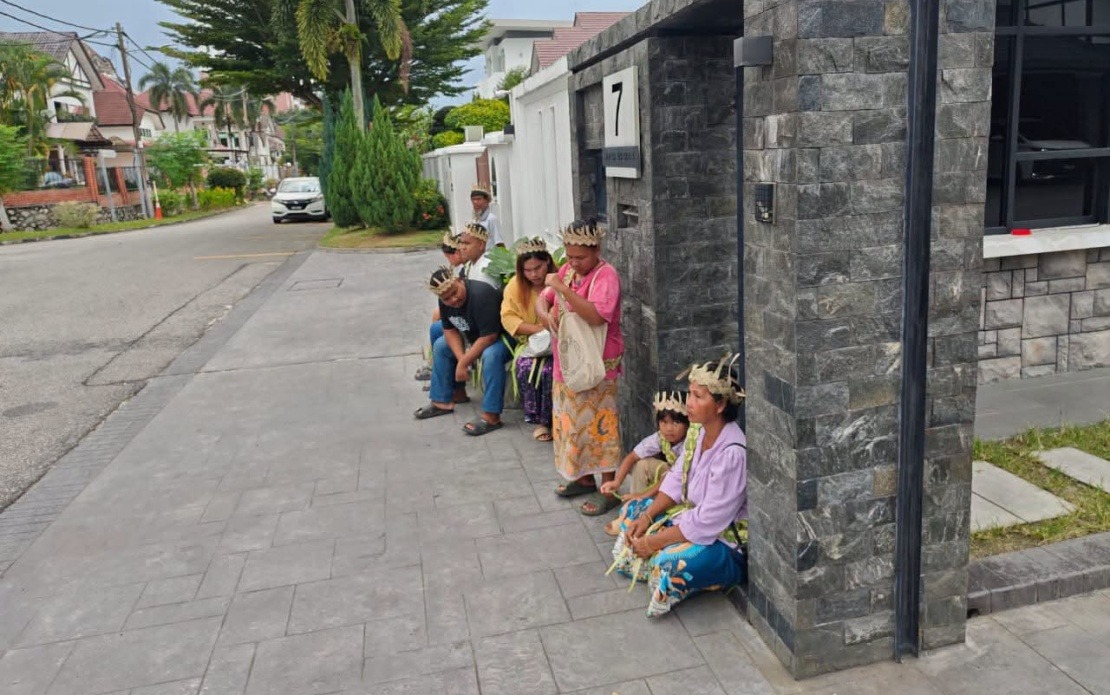
Prime Minister Datuk Seri Anwar Ibrahim has undertaken to present the land grievance concerning the Orang Asli residents of Kampung Sungai Cot in Maran, Pahang, directly to the state government, signalling heightened federal attention to indigenous land rights disputes that have periodically drawn public concern across Malaysia.
Anwar made the commitment through a Facebook statement after engaging in telephone discussions with community representatives who had travelled to his residence in Kuala Lumpur. The interaction reflects a broader pattern of Orang Asli delegations seeking direct audience with federal leadership to escalate local disputes beyond state-level channels, underscoring persistent governance challenges in protecting indigenous land tenure against competing commercial and administrative interests.
During his conversations with the village representatives, the Prime Minister heard detailed accounts of the multifaceted difficulties confronting Kampung Sungai Cot, encompassing both the underlying land ownership dispute and the detention circumstances involving three residents. Anwar indicated that he had been advised of the three detainees' subsequent release by police, suggesting either procedural resolution or de-escalation following intervention or routine legal process completion.
The Prime Minister's statement carries particular weight given Malaysia's constitutional recognition of Orang Asli rights and the persistent challenges indigenous communities face in defending ancestral or customary land claims against state assertions and third-party interests. Pahang has witnessed recurring indigenous land tensions, reflecting broader patterns across Peninsular Malaysia where documented customary territories often lack formal legal recognition under contemporary property and administrative frameworks.
Anwar explicitly cautioned stakeholders against instrumentalising the dispute for political or factional advantage, implying awareness that such conflicts frequently become flashpoints where various actors—including opposition parties, civil society organisations, and competing state-level factions—attempt to mobilise community grievances for strategic purposes. His appeal for restraint suggests concern that escalation could polarise opinion or undermine productive negotiation pathways.
The Prime Minister simultaneously advocated for resolution mechanisms anchored in equity, administrative prudence, and legal conformity, language that acknowledges the tension between indigenous customary claims and formal Malaysian property law. This framing suggests openness to recognition-based solutions or negotiated settlements rather than zero-sum adjudication, though translating such principles into concrete outcomes historically requires sustained political will and resource commitment that federal governments have inconsistently demonstrated.
The Kampung Sungai Cot case gains salience within Malaysia's broader indigenous affairs context, where approximately 180,000 Orang Asli across Peninsular Malaysia navigate competing land claims despite constitutional provisions supposedly safeguarding their interests. Federal engagement at Prime Ministerial level on individual disputes, while symbolically significant, also highlights systemic governance gaps—suggesting that comprehensive land rights frameworks remain absent despite decades of advocacy and policy discussions.
For Pahang state administration, federal intervention introduces both constraint and opportunity: constraint through enhanced scrutiny and potential imposition of solutions inconsistent with state preferences, yet opportunity if collaborative approaches generate precedents for addressing indigenous grievances in ways that balance community welfare with developmental or revenue objectives that state governments typically prioritise. The state's response to Anwar's commitment will indicate whether Pahang views such matters as amenable to negotiated settlement or whether institutional resistance persists.
The detention episode, though reportedly resolved, reflects recurring securitisation patterns where indigenous land activism risks criminalisation or police action, a dynamic that international observers and Malaysian human rights advocates have periodically flagged. Whether the detainees' release resulted from Anwar's intervention, internal police review, or routine case progression remains unclear, but the incident underscores how indigenous land disputes intersect with law enforcement decision-making in ways that require careful governance.
Anwar's commitment potentially signals repositioning within federal Orang Asli policy, where his administration has otherwise advanced modest initiatives but faced criticism for insufficient resourcing and bureaucratic inertia. Elevating individual cases to Prime Ministerial engagement could establish precedent pressuring departmental machinery toward more responsive procedures, or it might simply reflect ad-hoc crisis management without systematic reform.
The medium-term significance depends on whether Anwar's statement catalyses substantive negotiation with Pahang authorities or remains symbolic engagement deflecting pressure without material outcome. Orang Asli communities, having experienced repeated promises without implementation, will likely assess impact through concrete results rather than rhetorical commitment. Monitoring Pahang state government's subsequent positioning and the dispute's evolution will indicate whether federal Prime Ministerial attention translates into durable rights protection or temporary political accommodation.

