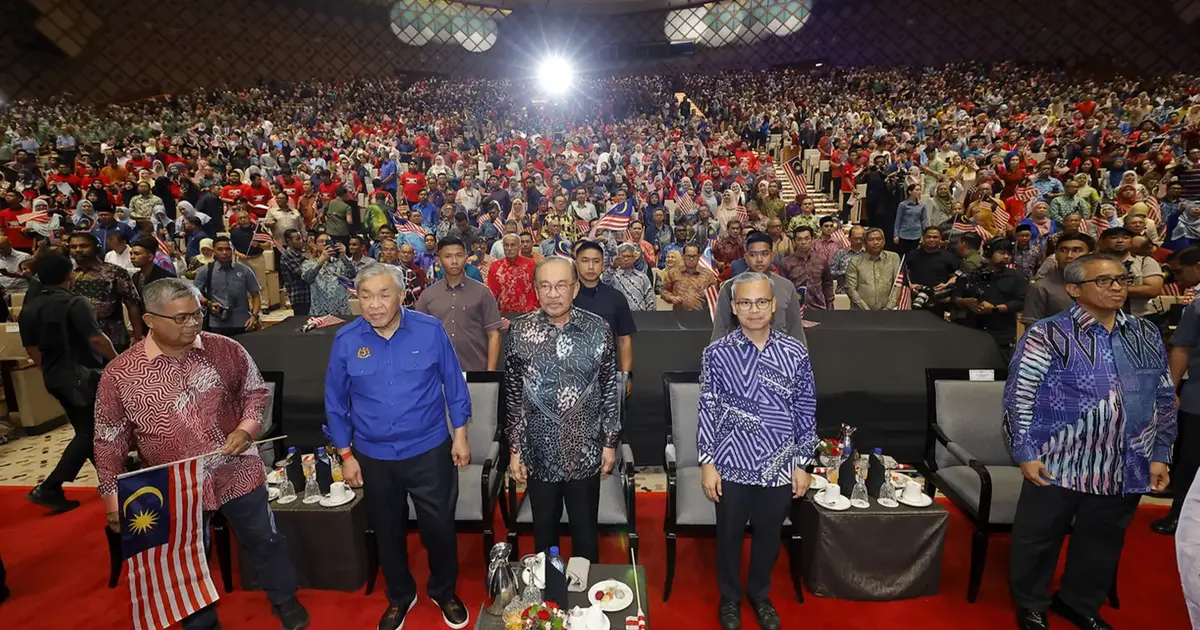
Prime Minister Anwar Ibrahim has committed to ensuring that billions of ringgit held in seized assets will be restored to the rakyat, signalling a significant shift in how Malaysia's government intends to manage recovered state wealth. The pledge reflects a core principle underpinning the administration's broader fiscal philosophy: that the nation's accumulated resources should be distributed among its population rather than remaining isolated within state vaults or institutional hands.
The commitment to return these funds carries substantial symbolic weight in Malaysian politics, particularly given the country's experience with high-profile corruption cases that have depleted public coffers over recent decades. By explicitly linking the repatriation of seized assets to ordinary citizens, Anwar positions his government as fundamentally different from predecessors accused of mismanaging or misappropriating national wealth for personal or factional benefit.
This approach addresses longstanding public frustration about the disconnect between Malaysia's natural and financial resources and the living standards experienced by average households. Many Malaysians have watched investigations uncover billions in allegedly misappropriated funds without seeing tangible improvements in public services, wages, or social support. Direct returns to the rakyat could therefore represent a more visceral and immediate demonstration of anti-corruption efforts than conventional recovery channels.
The mechanisms through which such funds would reach ordinary citizens remain a crucial operational question. Potential pathways might include direct cash transfers to registered taxpayers, enhanced social welfare allocations, investments in public healthcare and education, or infrastructure projects targeting underserved communities. Each approach carries different implications for economic stimulus, wealth distribution equity, and political messaging.
Anwar's emphasis on wealth as a national resource intended for collective benefit also reflects evolving thinking within Malaysia's political establishment about the relationship between state resources and citizen welfare. This contrasts with earlier governance models where state wealth accumulation was sometimes treated as an institutional priority separate from direct public benefit. The rhetorical reframing matters because it establishes expectations about how future recovered assets should be handled.
The magnitude of seized funds available for return is substantial enough to potentially impact Malaysia's fiscal trajectory and public finances. Deploying billions strategically could address pressing developmental needs, from rural infrastructure to digital economy initiatives, while simultaneously demonstrating tangible returns from anti-corruption enforcement. The economic multiplier effects of properly channelled funds could extend benefits beyond immediate recipients.
However, translating commitments into effective implementation presents administrative and political challenges. Determining eligibility criteria, preventing leakage through bureaucratic processes, ensuring equitable distribution across Malaysia's diverse regions and demographic groups, and managing public expectations all require sophisticated planning. Previous initiatives to distribute state assets or recovery funds have occasionally encountered execution difficulties that diminished their intended impact.
The pledge also occurs within Malaysia's broader anti-corruption agenda, where high-profile prosecutions and asset recoveries remain ongoing. Public confidence in these processes depends partly on visible consequences for wrongdoing and tangible benefits flowing to ordinary Malaysians rather than remaining locked in recovery accounts. Anwar's commitment to repatriation therefore reinforces the legitimacy of enforcement efforts by demonstrating that anti-corruption work produces citizen-facing outcomes.
Regionally, Malaysia's approach to recovered assets gains relevance as Southeast Asian governments increasingly confront corruption-related wealth recovery. How Malaysia handles billions in seized funds could establish precedents influencing neighbouring countries' strategies. A successful model linking recovery to direct public benefit might influence regional governance standards and citizen expectations elsewhere in ASEAN.
The political dimension should not be overlooked. Returning seized wealth to citizens strengthens the government's narrative about governing differently and prioritising ordinary Malaysians over elites. This messaging resonates particularly with constituencies that have experienced economic pressures and perceive governance failures. Delivering on such commitments becomes crucial for maintaining political credibility and electoral support.
The fund repatriation initiative also intersects with Malaysia's economic recovery priorities following pandemic-related disruptions. Strategic deployment of recovered billions could stimulate growth, support employment, and address inflation pressures affecting household purchasing power. The timing of such returns could therefore serve dual purposes: fulfilling democratic principles about shared national wealth while advancing macroeconomic objectives.
Moving forward, transparency about fund sources, recovery timelines, and distribution methodologies will be essential for maintaining public trust. Clear communication about how seized assets translate into citizen benefits—whether through infrastructure improvements, welfare enhancements, or direct payments—helps bridge the gap between policy announcements and lived experiences. This transparency becomes particularly important given Malaysia's history with promises about recovered funds that failed to materialise tangibly for ordinary people.

