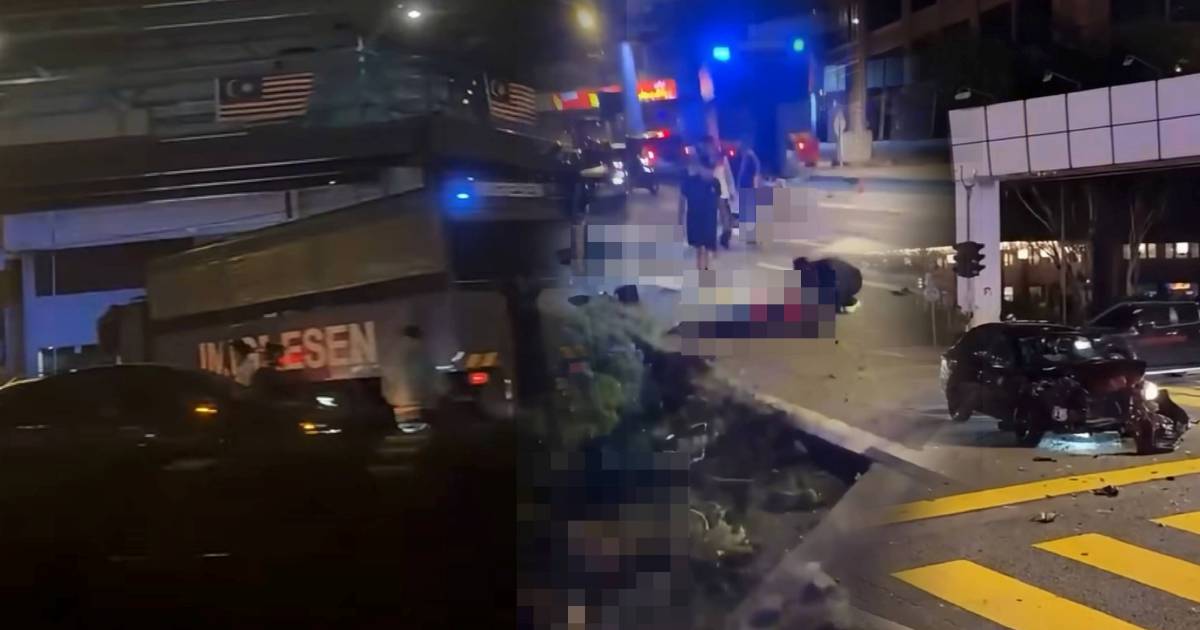
Prime Minister Datuk Seri Anwar Ibrahim has moved swiftly to command a full and comprehensive investigation into a fatal collision involving an Immigration Department vehicle on Jalan Sultan Ismail in the early hours of today, signalling the government's commitment to establishing the circumstances surrounding the tragedy and identifying any systemic issues that may have contributed to the incident.
The directive from Malaysia's chief executive underscores the gravity with which the administration treats road safety involving government vehicles and public servants. Such high-level intervention from the Prime Minister's office is relatively uncommon for individual accidents, suggesting either the severity of casualties involved or concerns about the operational standards governing the use of such vehicles by federal agencies. The timing of the crash in the early morning hours on one of Kuala Lumpur's main thoroughfares raises questions about vehicle maintenance schedules, driver fatigue protocols, and the conditions under which government fleets operate during off-peak periods.
Jalan Sultan Ismail, a major arterial road running through the heart of Kuala Lumpur's commercial and administrative district, witnesses substantial traffic throughout the day and night. The location of the crash adds another dimension to public safety concerns, as incidents on such heavily trafficked routes can have cascading effects on the city's transport networks and public confidence in road safety infrastructure. For Malaysian commuters and business operators reliant on this corridor, the accident raises practical concerns about road conditions and enforcement of vehicle standards.
The Immigration Department operates one of Malaysia's largest fleets of vehicles, used for patrols, transport of detainees, and general operations across the country's extensive border control and enforcement activities. The department's vehicles are frequently on the road at all hours, making fleet maintenance and driver welfare critical operational considerations. Any systemic deficiencies uncovered through the Prime Minister's ordered investigation could have implications for how the government manages vehicle safety across multiple federal agencies.
Road fatalities involving government vehicles attract particular scrutiny because such incidents raise questions about institutional accountability and whether adequate safeguards exist to protect both the public and government employees. The Prime Minister's instruction for an immediate probe suggests that officials are attuned to public concern about how taxpayer-funded vehicles are maintained and operated. This reflects broader anxieties in Malaysia about vehicle safety standards and enforcement, given the country's persistently high road accident statistics compared to regional peers.
The investigation will likely examine multiple factors including vehicle mechanical condition, driver qualifications and rest periods, road and weather conditions at the time of the collision, and whether the truck was being operated within approved parameters for its use. Such probes into government vehicle incidents typically involve collaboration between the Immigration Department's internal affairs unit, the Royal Malaysia Police, and potentially the Road Transport Department, depending on the nature of findings that emerge.
For the Immigration Department specifically, this incident comes at a time when the agency faces ongoing scrutiny regarding its operational efficiency and adherence to international standards in border management. How the department responds to this investigation and what corrective measures it subsequently implements could influence public perception of its overall management capacity. The department serves a critical role in Malaysia's security apparatus, making any questions about its operational standards matters of national concern.
The families affected by the fatal crash will await clarity on what precisely occurred in the moments leading to the collision. Beyond personal tragedy, this incident carries implications for how the government addresses preventable road accidents involving its own vehicles. The Prime Minister's intervention signals that accountability mechanisms exist at the highest levels of government and that such incidents will not be treated with administrative routine.
For the broader Malaysian public, this accident serves as a reminder of the constant risks inherent in road travel, regardless of who operates the vehicle. The government's fleet safety standards directly impact public safety, as these vehicles navigate the same roads as private motorists. An effective investigation that identifies root causes and leads to demonstrable improvements in fleet management would reinforce public confidence that the government takes seriously its responsibility to ensure that publicly funded vehicles do not become sources of preventable danger.
The coming days will reveal more details about the circumstances of the crash and the initial findings from investigators. However, Prime Minister Datuk Seri Anwar Ibrahim's immediate directive has already established that this incident will receive the institutional attention its fatality demands, setting an expectation that answers will be forthcoming and that responsibility, where it lies, will be established.

